Instagram Marketing Plan for Etsy Sellers: 4 Weeks
Choose one Etsy listing, give each week a clear buyer job, and turn accurate product facts and photos into a connected Instagram campaign.
Read the guideYour hands shape the object; the image is what sparks the wanting. People reach for it because they first fell for the way it looked.

In an online shop, no one ever buys the object: they buy an image on a screen, and they decide in a split second whether it's worth slowing down for. The trouble is that this little rectangle judges your work on signals that have nothing to do with the quality of what you made. The light, the background, the absence of clutter, the fact that the object lives in a setting rather than sitting on a worktop: that's what carries weight. These diagnostics teach you to read what each post truly costs — the scrolls that never stop, the likes that never turn into orders, the feed people forget from one week to the next. Read first, fix second — and discover that the flaw is almost always in the presentation, never in the product.
What if your pieces found buyers all year round?
A living shopfront shows your work to people who haven’t seen it yet — ReadyToPost keeps it alive for you.
Your craft isn't the problem. What's missing is the step between the finished object and the feed: taking a decent but unremarkable photo and lifting it into a branded visual, holding the same visual world from one post to the next, and turning publishing into a system that keeps running even mid-production. This method always starts from what you already have — a real piece, a real photo — and shows how the app makes it shine without ever inventing a fake product in your place.

No three-quarter strategy: one precise move, placed at the right moment, that quickly fills a shop or a market table. A launch, a fair, a single piece spun into a week of posts, past buyers brought back — every time from the photos you already have.


From a single website URL, ReadyToPost builds your brand profile and starts generating on-brand posts — no manual brief to fill.
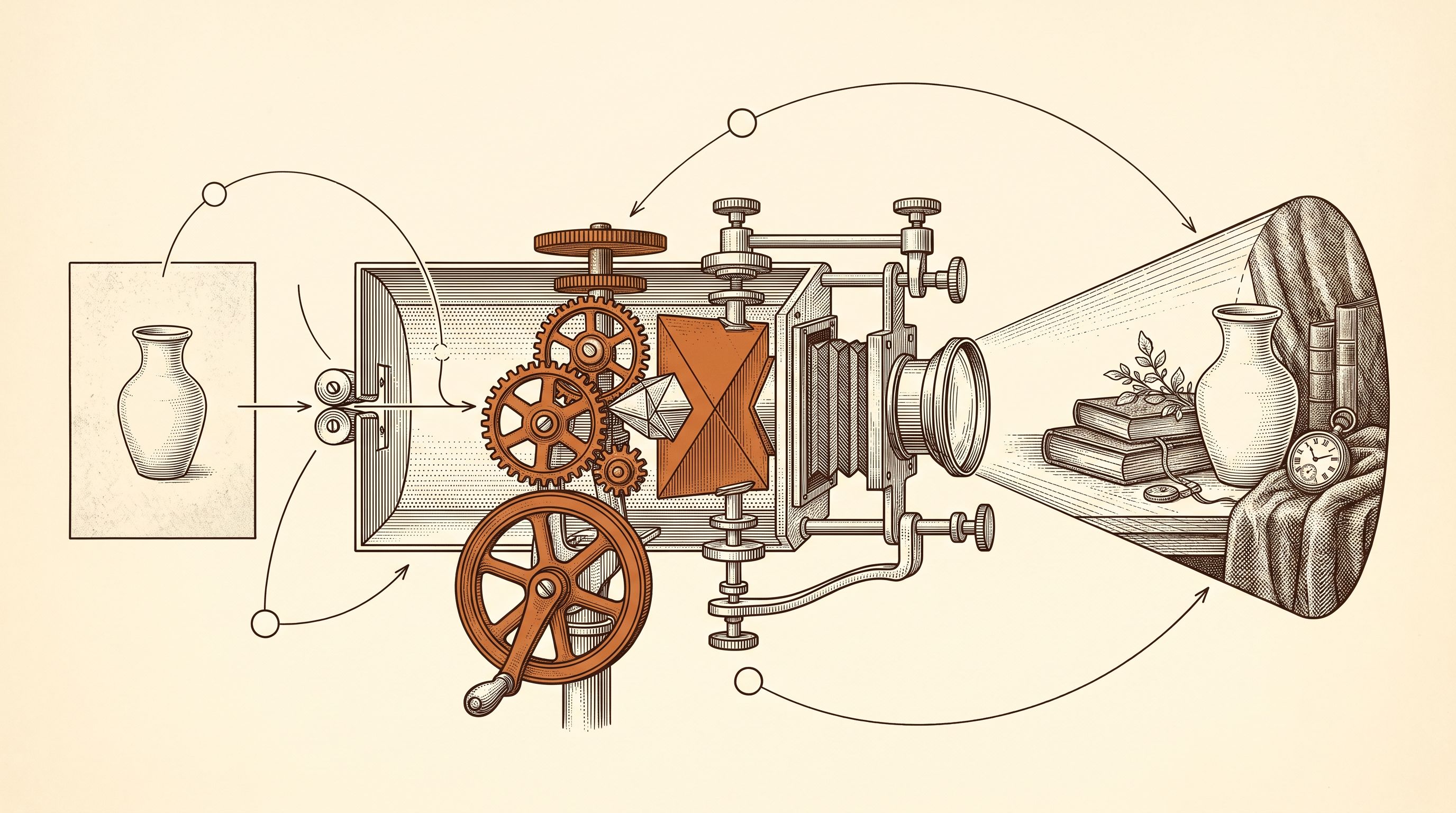
Generate social visuals from your real photos — in your style and fonts, in the right format per network. Fix any detail in one sentence.
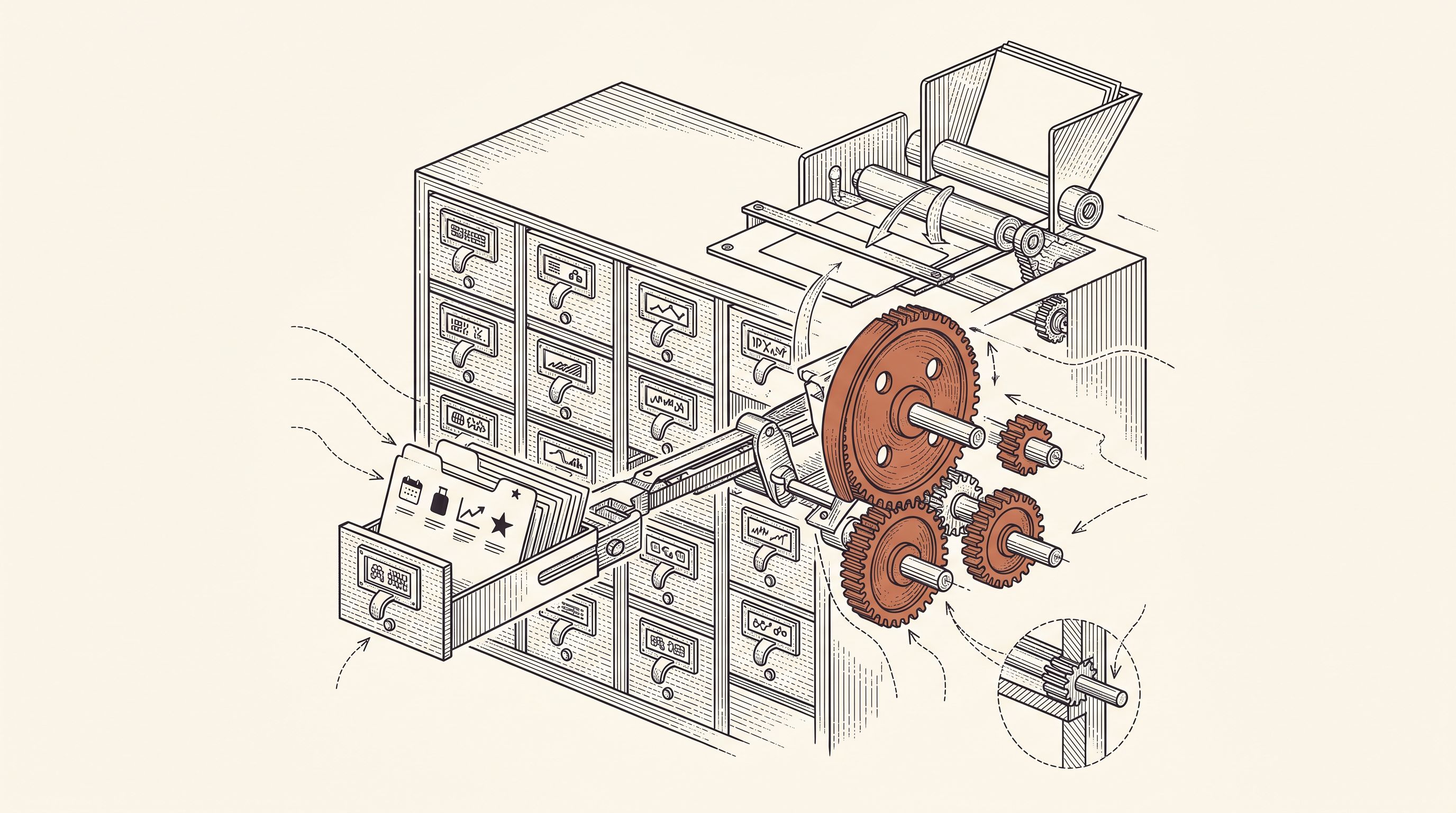
A semantic memory of your brand's real facts, so every post cites what you actually do and have.
Generate on-brand Instagram posts where the 4:5 feed visual and the caption are built together — a scroll-stopping hook, breathable paragraphs, and full-word hashtags grouped at the end, scheduled and ready to publish.
Generate professional LinkedIn posts, mention real people and companies right in the text, then publish to your profile or your company page.
Generate conversational Facebook posts, set your emoji and hashtag level, and schedule them straight to your Facebook Page. Text and visual built for the feed.
One Etsy listing can support several useful Pins. Give each Pin a distinct buying question, a clear destination and a reason to open the product page.
Turn each product into a useful Instagram sequence: show the material, explain a making decision, prove the result, then make the offer clear.
Linking your Etsy shop to Instagram is a five-minute bio setting. The reason clicks don't turn into orders is different: your feed and your shop look like two different sellers. Here's the fix.
The ideas in these guides become real posts: written in your voice, styled to your brand, and scheduled every week.
Monthly plansReady in minutesCancel in one click