How to Grow a Product Business on Instagram From Zero
Build a useful Instagram foundation before chasing reach: clarify the offer, collect real product proof, give each post a job, and repeat the sequence.
Nobody remembers a beautiful post. People remember a world that keeps coming back.

You post when you think of it, with whatever photo you have on hand that day: a shot taken by the window, another on the workbench, a third in a graphic frame found in an app. Each post looks like it comes from a different brand. Your products are good, the photos prove they exist — but nothing ties it all into a world people remember. And you think the fix is "take nicer photos" or "be more regular," without the time to do art direction, or a clear idea of what "cohesive" concretely means.

What if people recognised your brand from the thumbnail?
They’ve already liked you — what’s missing is a visual thread they’ll remember.
Become recognisableAn inconsistent feed isn't an aesthetic flaw, it's a memory failure. In a fast scroll, the brain files each image under a "brand" label — but if the label changes with every post, it has nothing to file, so nothing to retain. You pay full price for every post (your real product, your crafting time, your photo) while giving up the one return that makes the effort pay off: being recognized between two passes. Without recognition, you buy reach you can't capitalize on.
Ask yourself: if I hid my account name, would people guess it's me?
Recognition doesn't rest on a logo tucked in a corner, nor on a single polished photo, nor on a "pretty" feed. It's born of repeating a small set of stable signals: the same treatment of light and background, a frame or composition that recurs, a restrained, constant palette, an identical way of laying text on the image, the logo always in the same spot. Three or four recurring signals are enough. It's their repetition, not their sophistication, that creates the "oh, that's her" effect.
Pick three signals maximum. Beyond that, you won't keep the consistency.
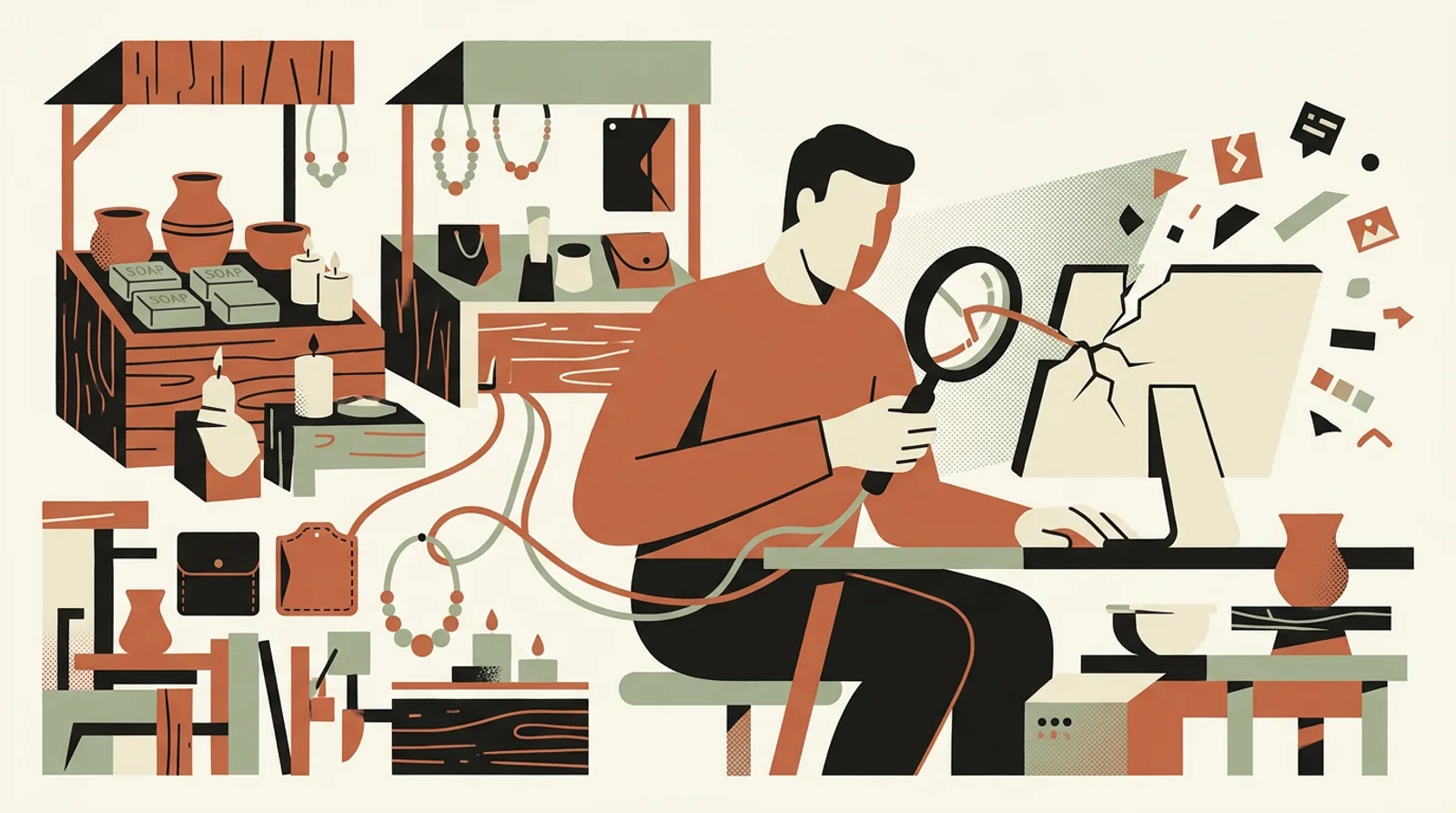
If your feed goes off in all directions, it's neither a lack of taste nor laziness: it's that no visual world was decided upfront. So each post inherits the conditions of the day it was shot — the kitchen light, the living-room background, the frame grabbed on the spot. The fix isn't "more effort per post" (unsustainable when you craft all day), but a single decision, made once and for all: what does my world look like? The problem is upstream, not in each post.
Decide your world on a calm Sunday evening. Not in the rush of a post.
You keep your real product and your real photos, even mediocre ones: no new shoot, no studio. The lever is to re-render each of those photos through the same brand treatment. The photo taken on the workbench becomes staging in a coherent scene; the raw shot becomes a lifestyle composition or a graphic template, with the text and the logo handled exactly the same way every time. The product stays real — only its presentation becomes a recognizable, repeatable world. Consistency stops depending on your discipline of the day.
Always start from your real photo: the app showcases it, it doesn't invent your product.
The same world spreads automatically across the networks where a maker actually lives: Instagram, Pinterest, Facebook. And the text tailored to each network is written for you — the caption that tells a story on Instagram, the pin that files neatly on Pinterest. From there, posting more often no longer dilutes your identity: each extra post reinforces it. Regularity becomes leverage instead of a risk of cacophony. More presence, better made, without spending your evenings on it.
Five posts from the same world beat one isolated "perfect" one.
You make each piece, ReadyToPost holds the visual thread.
Backdrop, light, palette — ReadyToPost applies the same universe to every photo, no art direction from you.
Hold the visual threadDo
Don't
Situation
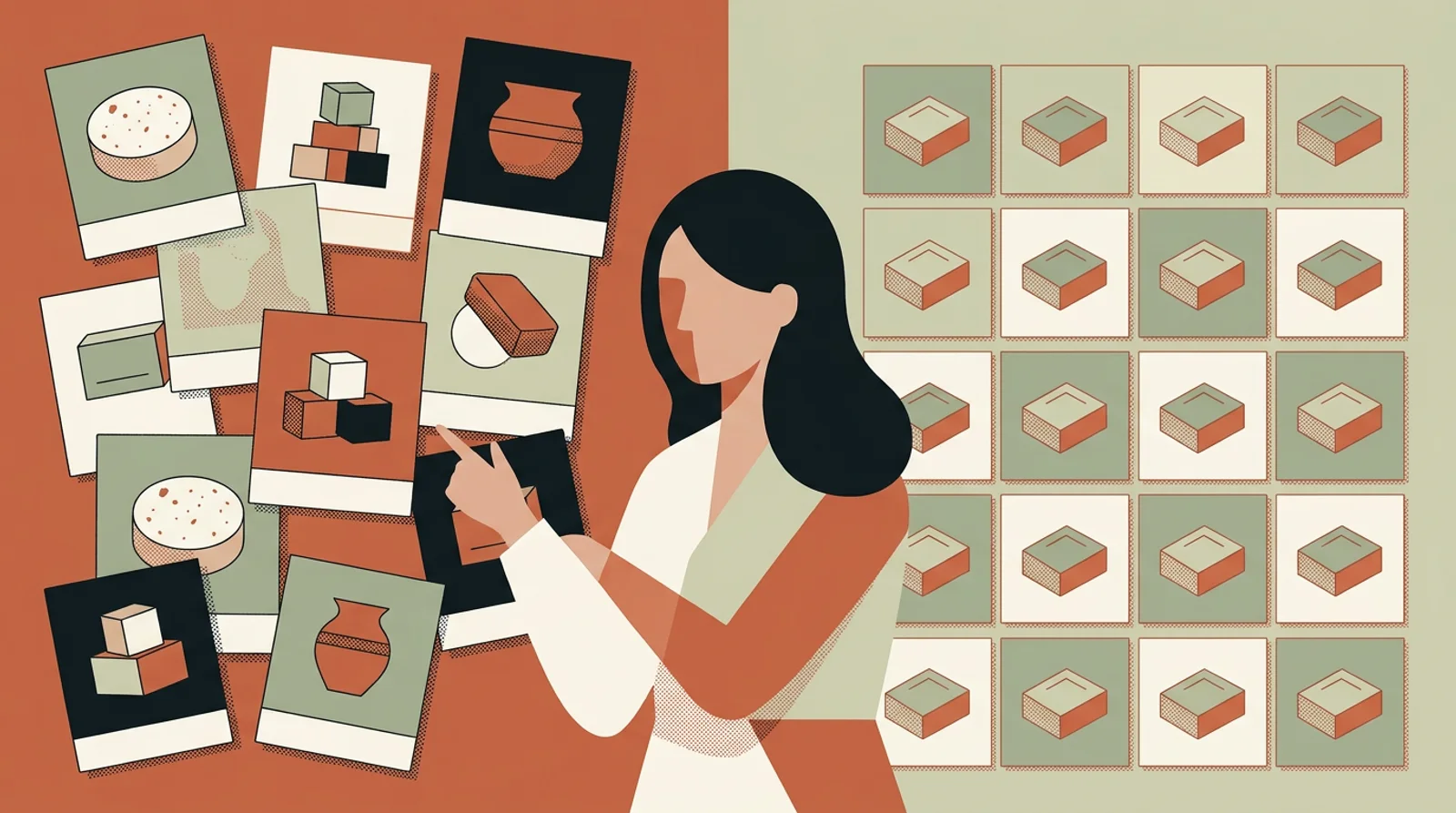
Sarah runs a small soap workshop. She posts two to three times a week: a soap on the windowsill, a saponification vat on the studio tiles, a visual with a flowered frame found in an app. At a fall maker market, a customer tells her she's "seen her around" without remembering her name. Her neighbor at the next booth, with a beige, tidy feed, sells more.
Action
Sarah stops hunting for the perfect photo. She decides her world once: light linen background, soft light, her logo discreetly always at the bottom, a terracotta-and-ecru palette. Then she takes her existing photos — including the ones shot in a hurry — and runs them all through that same treatment: some staged in a studio scene, others as lifestyle compositions, with the text laid the same way every time. The Instagram, Pinterest and Facebook captions are generated for her.
Outcome
Within a few weeks, her last nine thumbnails finally form a cohesive block. A follower writes that she "recognizes her soaps from the thumbnail alone." At the next holiday market, several visitors immediately connect the booth and the account. Sarah posts more often, with no photo stress — and each post feeds the same memory instead of starting from zero.
A stranger recognises you without reading your name.
Same universe, same palette, same quiet logo — memory builds before the words do.
A feed can be gorgeous post by post and stay totally forgettable. Isolated beauty doesn't create memory; only the repetition of stable signals does. You can have ten stunning photos with no shared identity — and that's exactly what happens when each one is beautiful "in its own way." Aim for consistency before perfection.
Doing art direction on every post is impossible to keep up when you craft all day. If consistency depends on your discipline on a given day, it'll collapse the first rush week before a market. The right lever is upstream: a world decided once, applied automatically — not a surge of willpower at every photo.
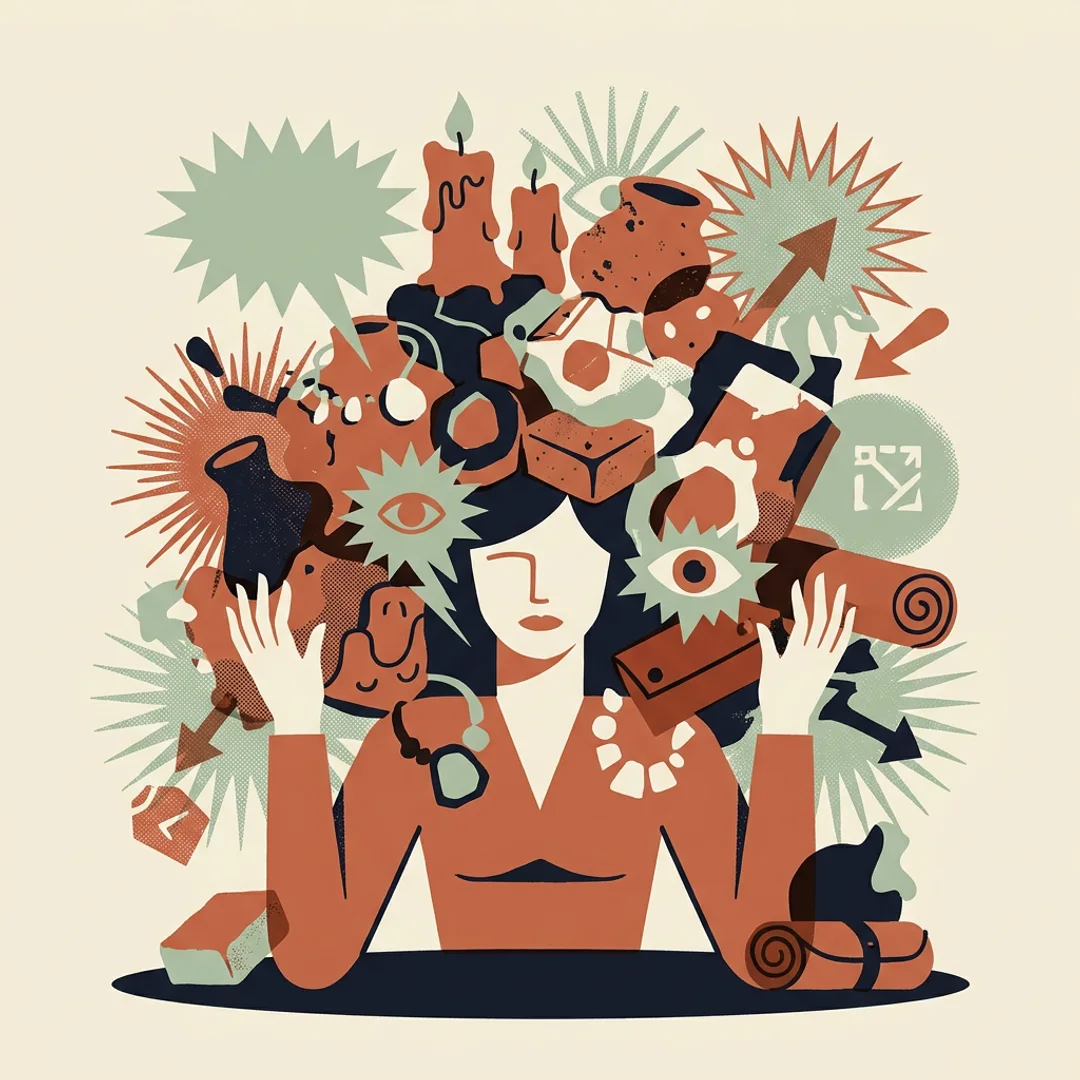
Trying to pin down everything — ten lighting rules, five frames, seven fonts — produces the opposite effect: a system too heavy to keep, so you abandon it. Three or four recurring signals, truly held, beat a full style guide never followed. Recognition comes from consistency, not from the richness of the system.
You've just identified where it's breaking. Addressing it will take your time, your focus, your energy. Meanwhile, your communication can't go dark — or turn into filler. Readytopost keeps it at a demanding level on the five social networks: posts written, images generated, calendar filled — calibrated on your work.
Start with ReadyToPostKeep going on your own. The method for makers lays out the principles that turn a diagnosis into durable action — across every lever, not just communication. Concrete markers to help you decide on the fly, without imposed recipes or rigid calendars. At your pace, at your scale.
Continue to the method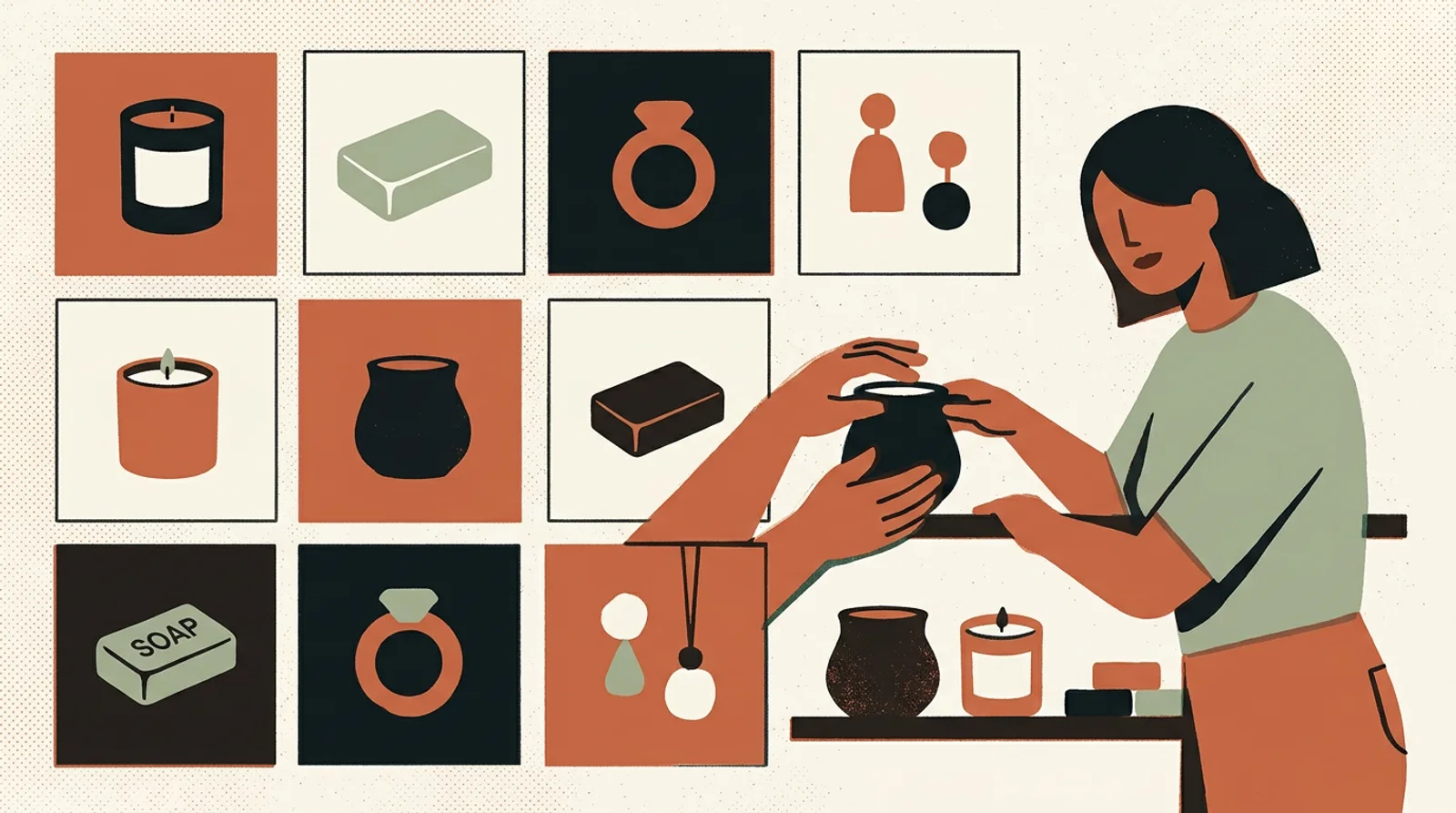
Yes, and it's reassuring: recognition doesn't rest on a logo. It comes from a small set of signals that recur — the same background, the same light, a restrained palette, the text laid the same way. A discreet logo helps, but it's just one signal among others. Start by fixing your visual treatment, the rest follows. It's repetition that creates memory, not the sophistication of your identity.
No, you don't have to reshoot. Your real photos, even mediocre ones, prove the product exists — that's their strength. The work isn't to retake the shots but to re-render them all through the same brand treatment: staging, lifestyle composition or graphic template. ReadyToPost starts from your real photo, even one taken on a workbench, and turns it into a consistent visual. The product stays real, only its presentation changes.
It's the classic worry, but consistency isn't uniformity. You keep variety in the products, the angles, the seasons — what repeats are only the brand signals in the background. Think of a shop window: the items change, the mood stays. That constant thread is exactly what makes you recognizable while letting each post breathe. Monotony would come from posting the same photo, not from the same world.
The visual stays the same world everywhere: that's precisely what makes you recognizable from one network to the next. What adapts is the text — caption that tells a story on Instagram, a description that files neatly on Pinterest, a slightly different tone on Facebook. ReadyToPost generates these texts for each network automatically from the same visual. So you don't have to redo everything three times: you decide your world once, and it spreads.
The big decision — choosing your world — is made just once, calmly, and isn't redone with every post. After that, applying it becomes nearly automatic: you start from a real photo, it's transformed in your brand treatment, and the per-network texts are written for you. We're talking a few minutes a week to feed your feed, not evenings of art direction. That's the whole point: consistency stops depending on the time you don't have.
Build a useful Instagram foundation before chasing reach: clarify the offer, collect real product proof, give each post a job, and repeat the sequence.
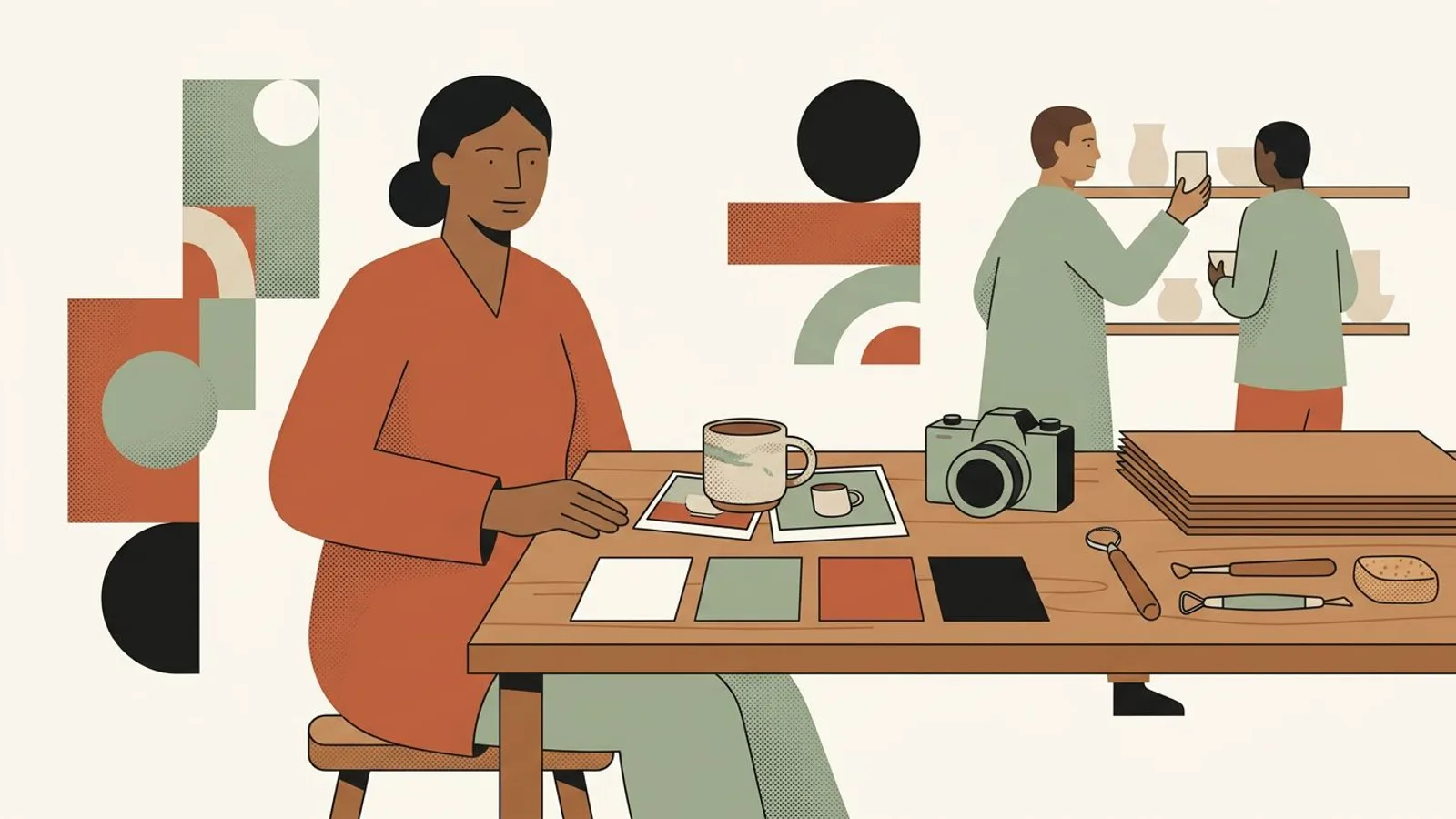
Choose one Etsy listing, give each week a clear buyer job, and turn accurate product facts and photos into a connected Instagram campaign.

Sell a digital download on Etsy by solving one buyer task, packaging the files clearly, publishing a complete digital listing, and promoting the offer with a repeatable proof sequence.
One Etsy listing can support several useful Pins. Give each Pin a distinct buying question, a clear destination and a reason to open the product page.
Turn each product into a useful Instagram sequence: show the material, explain a making decision, prove the result, then make the offer clear.
Linking your Etsy shop to Instagram is a five-minute bio setting. The reason clicks don't turn into orders is different: your feed and your shop look like two different sellers. Here's the fix.
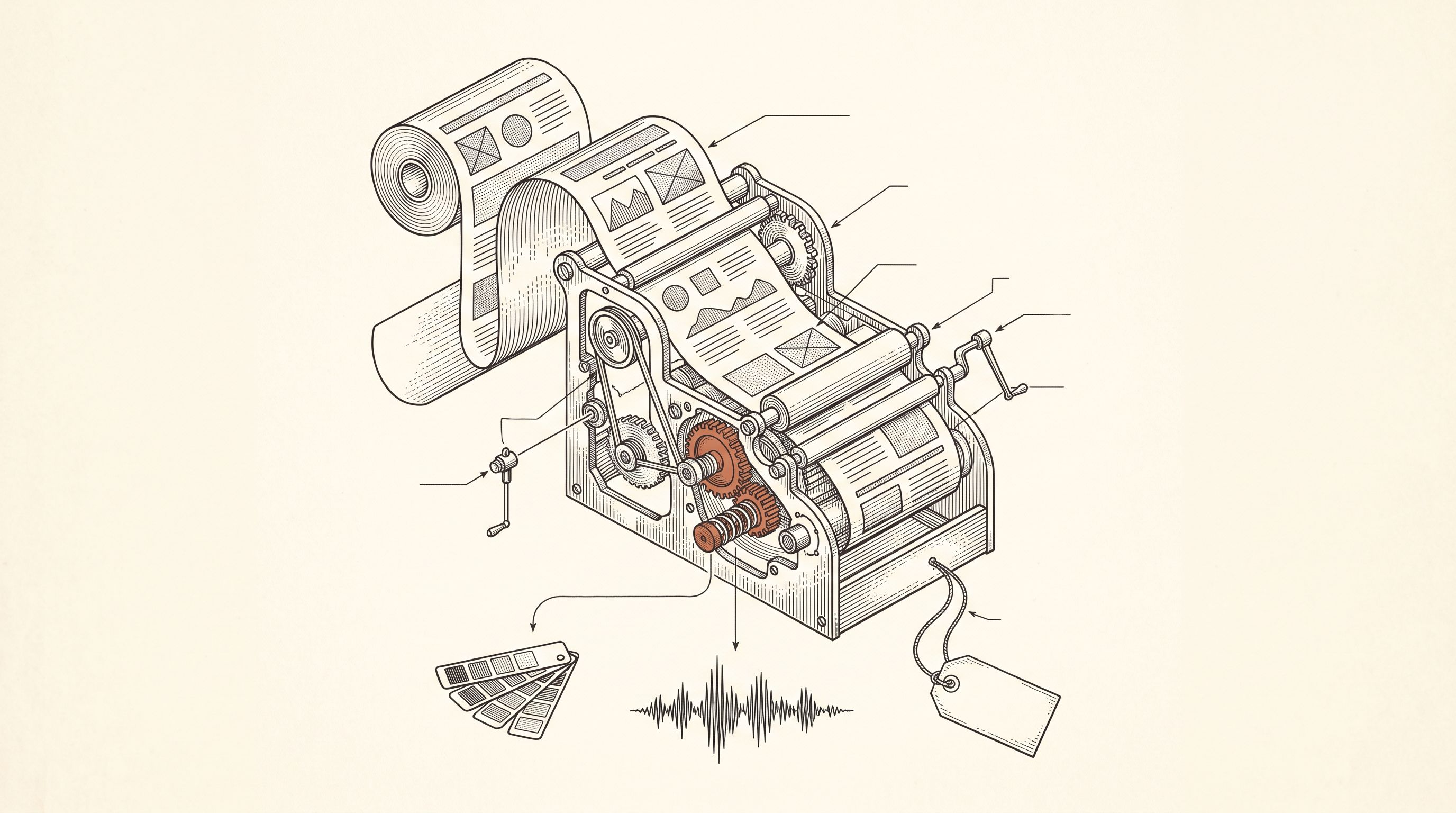
From a single website URL, ReadyToPost builds your brand profile and starts generating on-brand posts — no manual brief to fill.
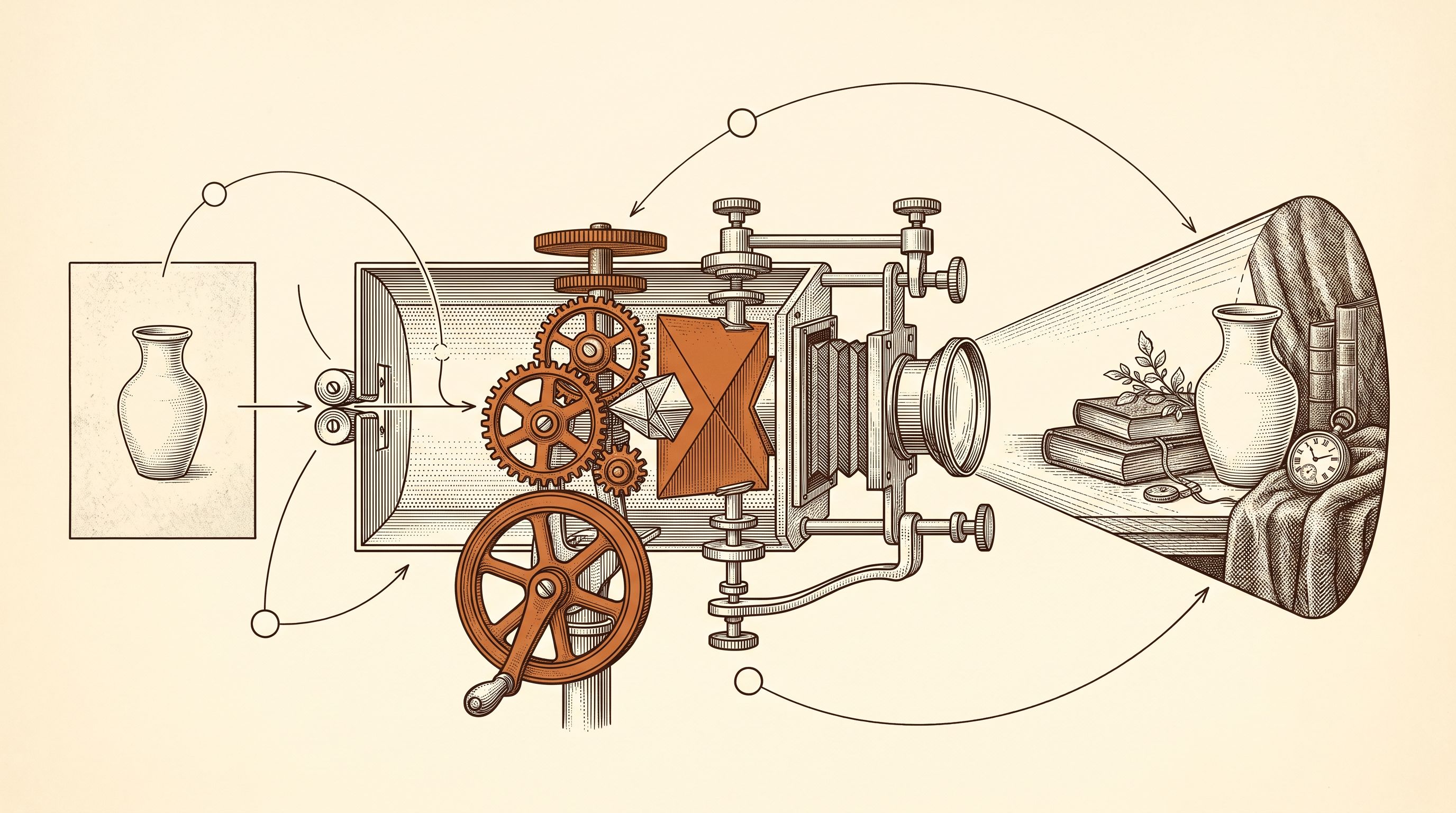
Generate social visuals from your real photos — in your style and fonts, in the right format per network. Fix any detail in one sentence.
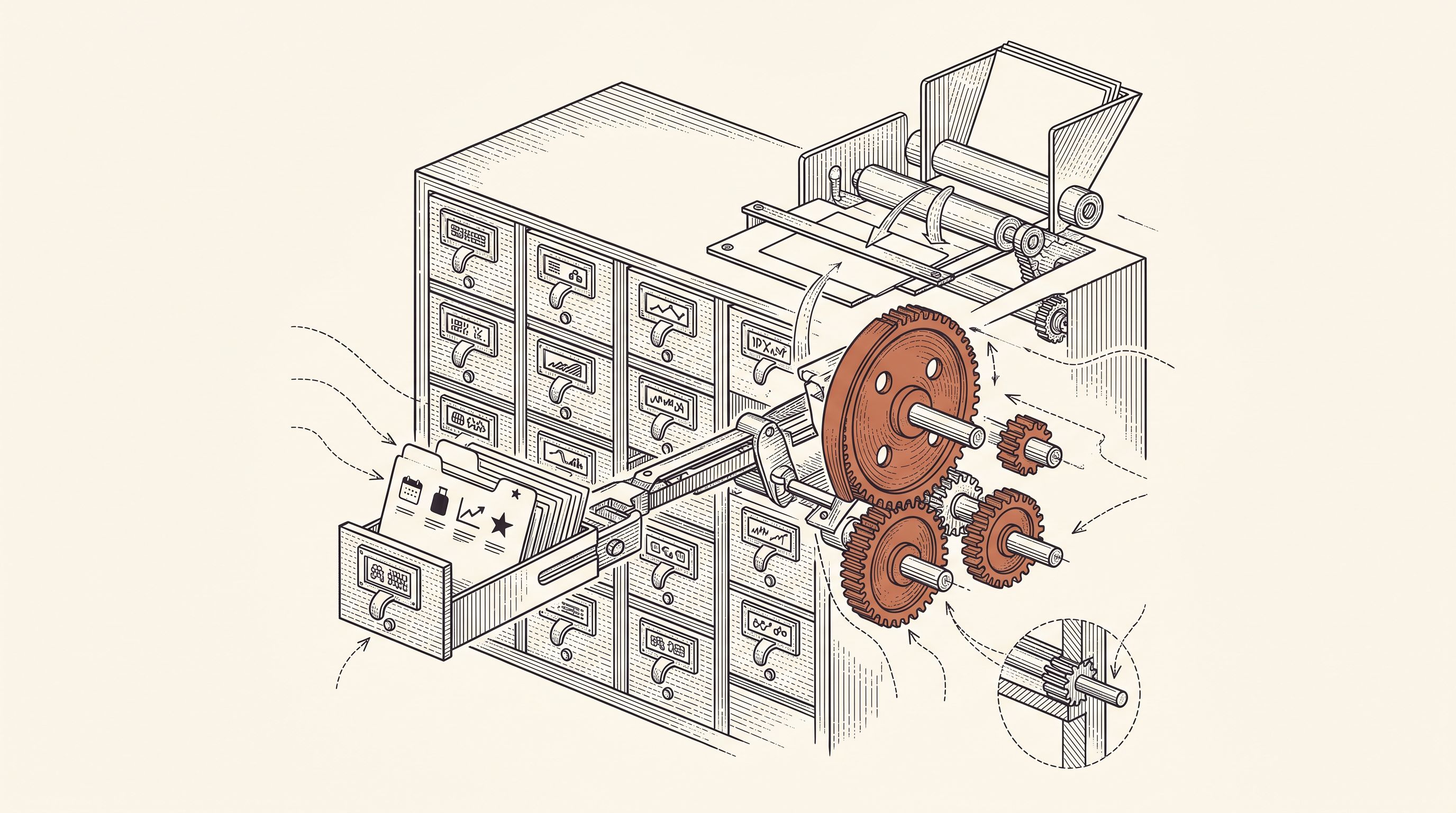
A semantic memory of your brand's real facts, so every post cites what you actually do and have.
Generate on-brand Instagram posts where the 4:5 feed visual and the caption are built together — a scroll-stopping hook, breathable paragraphs, and full-word hashtags grouped at the end, scheduled and ready to publish.
Generate professional LinkedIn posts, mention real people and companies right in the text, then publish to your profile or your company page.
Generate conversational Facebook posts, set your emoji and hashtag level, and schedule them straight to your Facebook Page. Text and visual built for the feed.
You know where to look. While you address it, Readytopost keeps your communication alive — written, illustrated and scheduled every week.
Monthly plansReady in minutesCancel in one click