How to Grow a Product Business on Instagram From Zero
Build a useful Instagram foundation before chasing reach: clarify the offer, collect real product proof, give each post a job, and repeat the sequence.
A customer who's already held your product doesn't need convincing. Just a reminder that you exist.
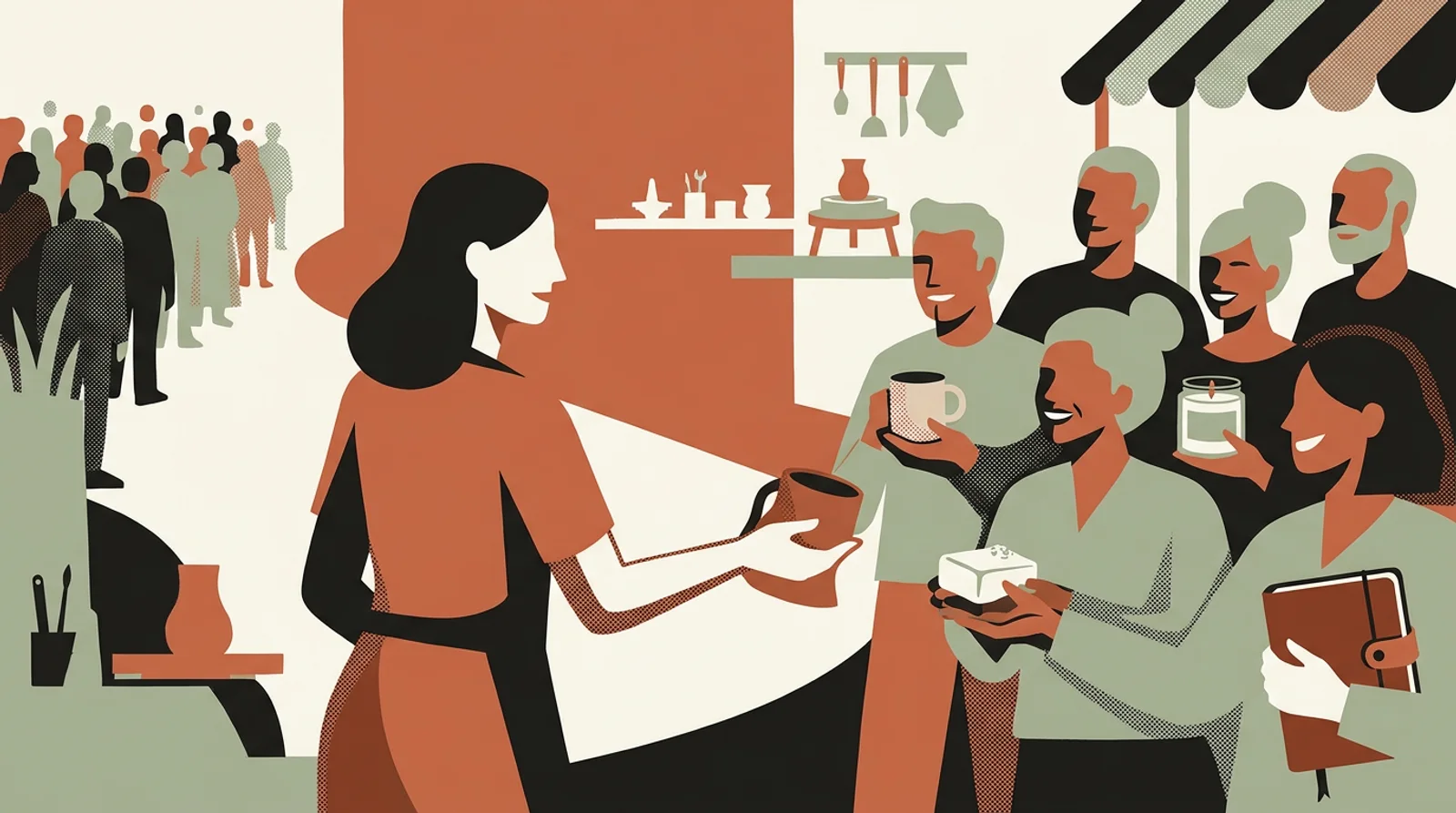
A maker who works in small batches has, without knowing it, a reserve of already-won customers: everyone who bought once and then disappeared. She files them as finished sales and pours all her content into winning over strangers. Yet those past buyers know her, have already trusted her, and have held her product in their hands — waking them up takes a thousand times less energy than convincing new ones.

What if past customers came back without effort?
They already know you, ReadyToPost writes the reminder that makes them want to return.
Wake up my customersPut the imbalance in black and white: on one side, the hours spent wooing strangers who don't even know you exist; on the other, a list of people who pulled out their card for your soap, your candle, your bracelet. These two audiences don't take the same effort. Convincing a stranger means starting from zero: proving your product is good, your brand is serious, it's worth the price. Reminding a past buyer that you exist means starting from trust already earned. Reaching out isn't disguised prospecting — it's waking someone who's asleep, not waking one who never met you.
Open your order inbox and count: how many customers ordered just once? That's your real reserve.
A past buyer doesn't return because you insist, but because you give them a concrete, genuine reason to return today. That reason always comes from your studio, never from a manufactured pretext: a new piece that extends what they loved, a restock of the scent they'd bought that was sold out, the return of a best-seller, a seasonal collection (the Christmas candle, the summer soap, the Mother's Day edition), a limited run. The customer who bought your donkey-milk soap doesn't need a promo: she needs to know you've just dropped the honey version, or that her favorite scent is back in stock.
No trigger on hand? A simple "it's back in stock" is one of the most effective reasons there is.
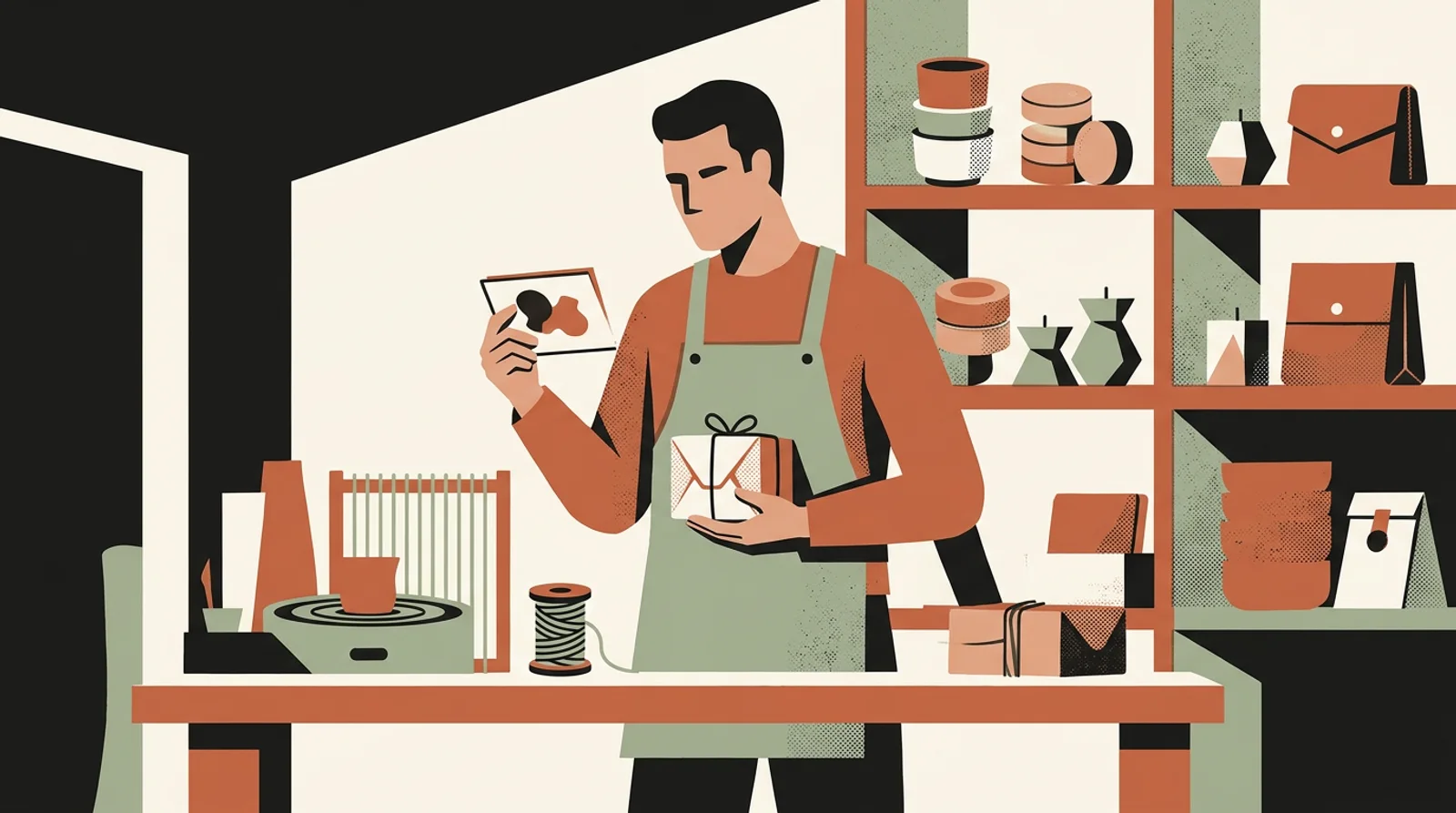
What sets your message apart from a chain-store newsletter is that there's a person and a studio behind it. Frame the message as coming from you: show the real product showcased, speak human to human, tell why this new piece exists or what pushed you to do that restock. "I finally tracked down the wax I'd been missing, the fig scent is back" carries further than "New product available." Your customer didn't just buy an object: she bought a bit of you. The message should feel like a personal gesture from you, not an automated marketing operation.
Write the way you'd talk to a customer at your market stall: first person, plainly.
You can give a reason to act without touching the price. Early access ("you get it before it goes public"), priority ("I'll set one aside for you"), the product coming back, or a small touch tied to their last purchase (a sample slipped in, a handwritten note) re-engage without devaluing your work. Systematic discounting has a perverse effect: it trains your best customers to buy only at a markdown and makes you look like a brand that's always on sale. Keep the discount as a rare exception, not your only lever for return. Your product has value — your message should recall it, not chip away at it.
Early access beats a markdown: scarcity creates desire, discounting teaches people to wait.
Reaching out only works if it becomes a habit, not a one-off effort you keep putting off. Each trigger — a restock, a new piece, a season coming up — turns into regular posts on your real channels: Instagram, Pinterest, Facebook. That's exactly where ReadyToPost comes in. You take the real photo of your product, often shot fast on the corner of the bench, and the app turns it into a branded visual: staged in a setting, lifestyle composition, graphic template, text added. Then it generates the copy tailored to each network from the same trigger. In a few minutes a week, your outreach runs on its own, with no new photo shoot and no fiddling.
Block a fixed 15-minute slot each week: that's all it takes to keep the rhythm.
You find the right reason, ReadyToPost writes the reminder.
The reason to come back is yours, ReadyToPost turns it into a post for every network.
Write my reminderDo
Don't
Situation
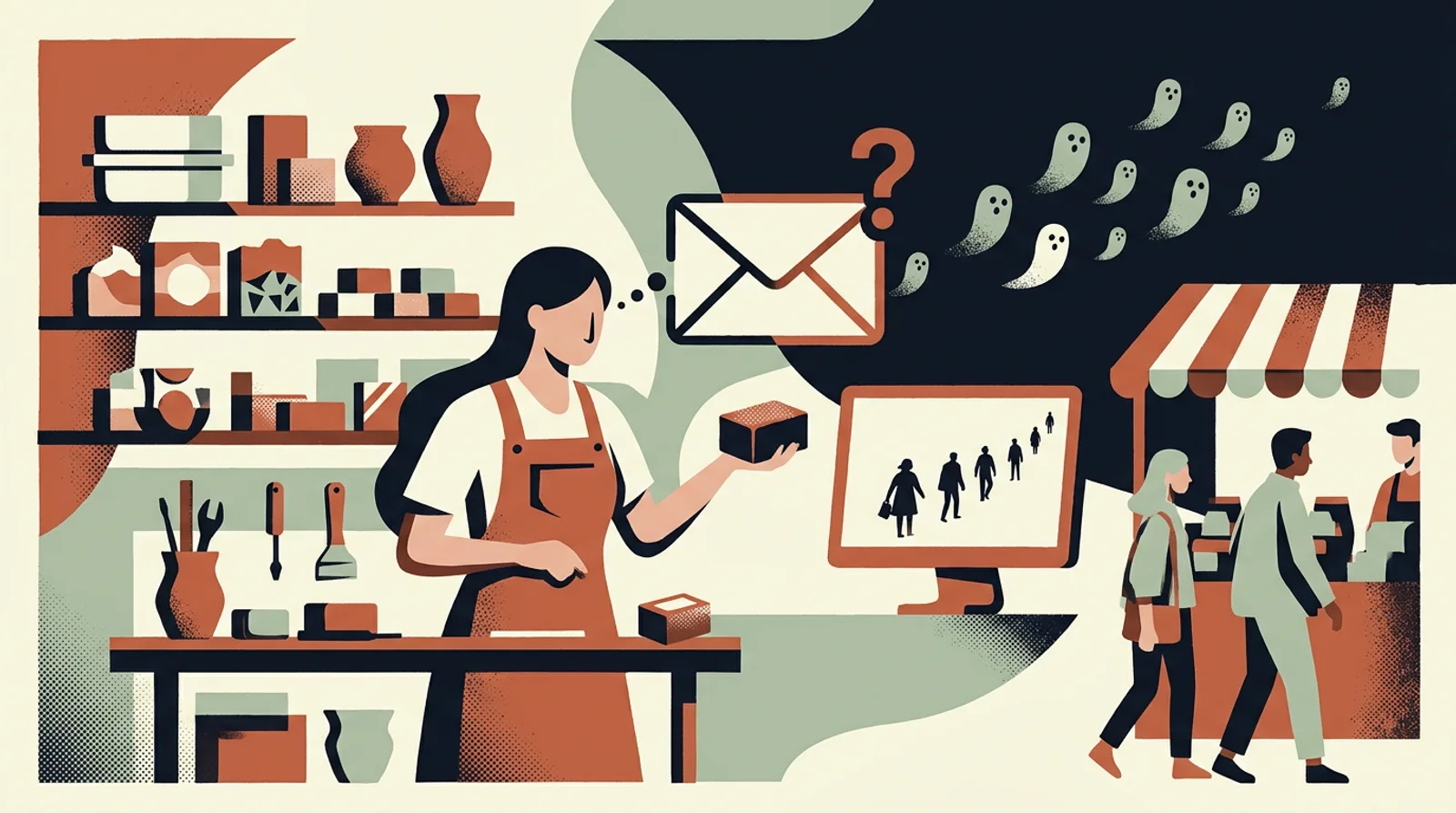
Nadia runs a small soap studio. Over two years, hundreds of people bought a soap from her at a makers' market or through her online shop. Most never came back. When she brought back a seasonal scent — the orange and cinnamon soap, her winter best-seller — she hesitated to tell her past customers, afraid of intruding.
Action
She reused the photo she'd snapped quickly on her studio table, slightly cluttered background, kitchen light. ReadyToPost turned it into a warm visual, the soap staged on a wood surface in winter light, and generated three versions of the message: one for Instagram, a pin for Pinterest, a post for Facebook. The copy simply said, in the first person, that her winter scent was back at the studio and that she was opening pre-orders as early access.
Outcome
A chunk of her buyers from the previous winter reordered in the days that followed, without her dropping the price by a cent. The outreach took her fifteen minutes, not an evening, and several customers replied that they'd been waiting for exactly that soap to come back. She turned a seasonal trigger into a wave of sales, from people who already knew her.
A recognized hand, a customer who returns without discount.
Your next reminder can follow the same path, without ever discounting your work.
The fear of intruding leads either to doing nothing, or to the opposite excess: reaching out with no reason, just to remind people you exist. Both fail. Good outreach always hangs on a legitimate trigger — a restock, a new piece, a season. As long as there's a real reason, you don't look like you're begging: you're informing someone who'll be glad to hear it.
Believing people only return for a promo code is the costliest mistake. You chip away at your margin on the customers easiest to win back, and you teach them to wait for the next markdown. Early access, priority, the product coming back and the personal touch re-engage just as well, without devaluing your work or filing you among the brands that are always on sale.

If every message requires starting over — pulling out the product, fussing with the light, retouching — you'll never do it. By starting from the photo you already have, even a mediocre one, and letting the app turn it into a branded visual and write the copy, outreach becomes doable again in a few minutes.
Pulling these levers every week is already a discipline. Adding communication on five social networks is another — and the one that gets sacrificed first. Readytopost takes the second one off your plate: posts, images, scheduling, calibrated on your work. So the first one keeps all your attention.
Start with ReadyToPostBack to the overview for makers to browse all guides — diagnosis, method, practice — in whichever order fits. Three floors that complement each other: one to understand, one to think, one to act. You go in where it pinches most today, and come back when a new question shows up. No required order.
Back to the overview
There's no magic cadence: the right frequency is the one set by your real triggers. Every time you drop a new piece, restock a beloved product, or a season arrives, you have a legitimate reason to remind them of you. If you have nothing new to say, don't reach out for the sake of it. As long as each message carries a real reason, you never look like you're pushing.
You intrude when you send a cold sales message with no context or reason. You don't intrude when you let someone know their favorite scent is back or that you've just made a piece that extends what they loved. Anchor the message in a concrete trigger and write it like a personal gesture. A customer who loved your product will be happy to know it's coming back.
No, and it's even an instinct to avoid. Systematic discounting trains your best customers to buy only at a markdown and devalues your work. Early access, a priority set-aside, the return of a best-seller, or a small touch tied to their last purchase re-engage just as well. Keep the discount as a rare exception, not your only lever for return.
You start from the real photo of your product, even one shot fast and poorly lit on your bench. The app turns it into a branded visual — staged in a setting, lifestyle composition, graphic template, text added — with no new photo shoot. It then generates the outreach copy tailored to Instagram, Pinterest and Facebook from a single trigger. Regular outreach becomes sustainable in a few minutes a week, and your real product stays at the center: the app showcases it, it doesn't invent it.
Where they already are — which mostly means Instagram, Pinterest and Facebook for this craft. Instagram and Facebook reach those who already follow you after their purchase; Pinterest surfaces your new piece or restock long afterward. From a single trigger, ReadyToPost adapts the message into the language of each network, so your outreach reaches your past buyers without you rewriting everything three times.
Build a useful Instagram foundation before chasing reach: clarify the offer, collect real product proof, give each post a job, and repeat the sequence.

Choose one Etsy listing, give each week a clear buyer job, and turn accurate product facts and photos into a connected Instagram campaign.

Sell a digital download on Etsy by solving one buyer task, packaging the files clearly, publishing a complete digital listing, and promoting the offer with a repeatable proof sequence.
Turn each product into a useful Instagram sequence: show the material, explain a making decision, prove the result, then make the offer clear.
Linking your Etsy shop to Instagram is a five-minute bio setting. The reason clicks don't turn into orders is different: your feed and your shop look like two different sellers. Here's the fix.
The Instagram content mix that keeps handmade brands posting for months: more process shots than finished pieces, not prettier ones.
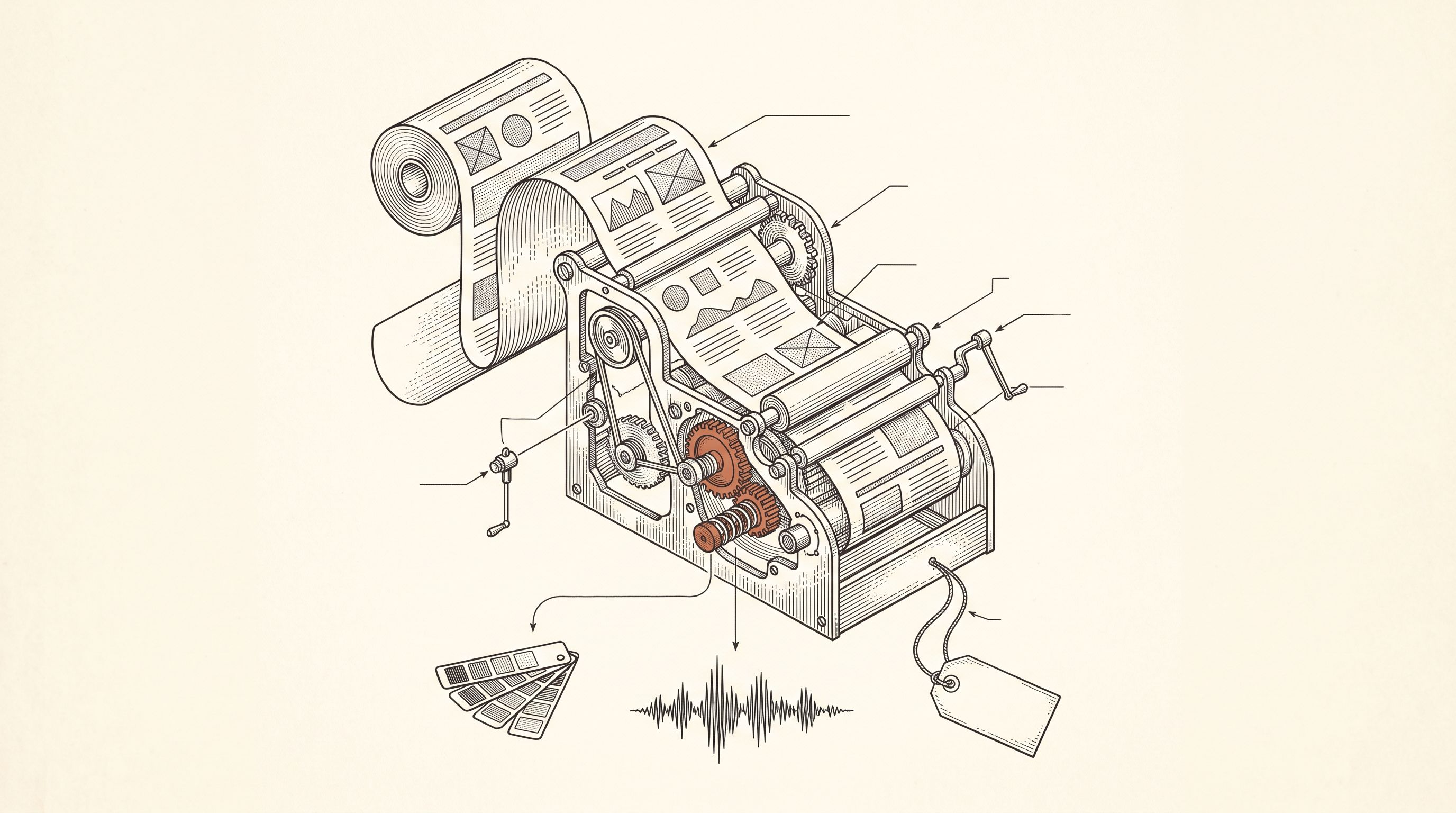
From a single website URL, ReadyToPost builds your brand profile and starts generating on-brand posts — no manual brief to fill.
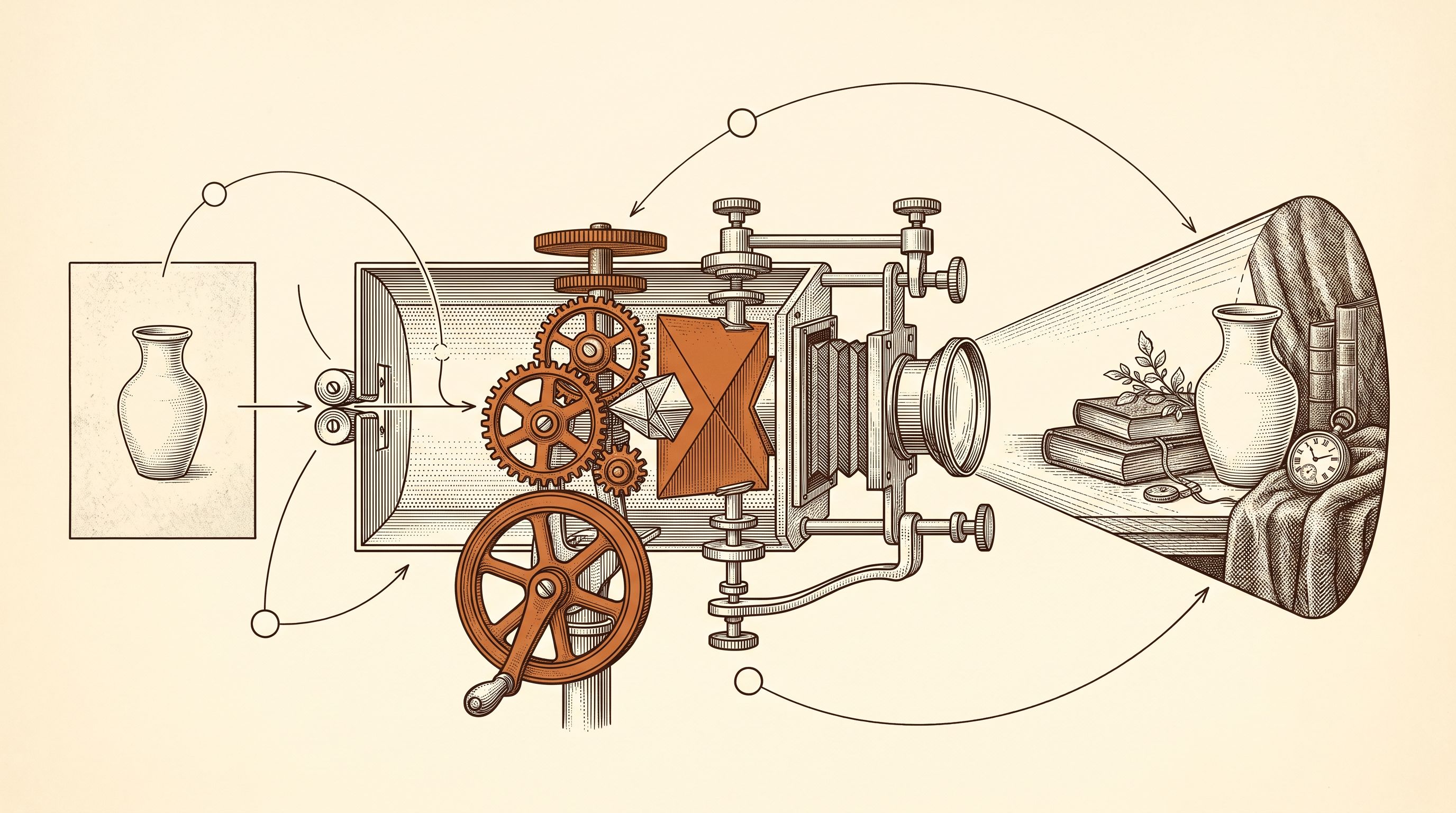
Generate social visuals from your real photos — in your style and fonts, in the right format per network. Fix any detail in one sentence.
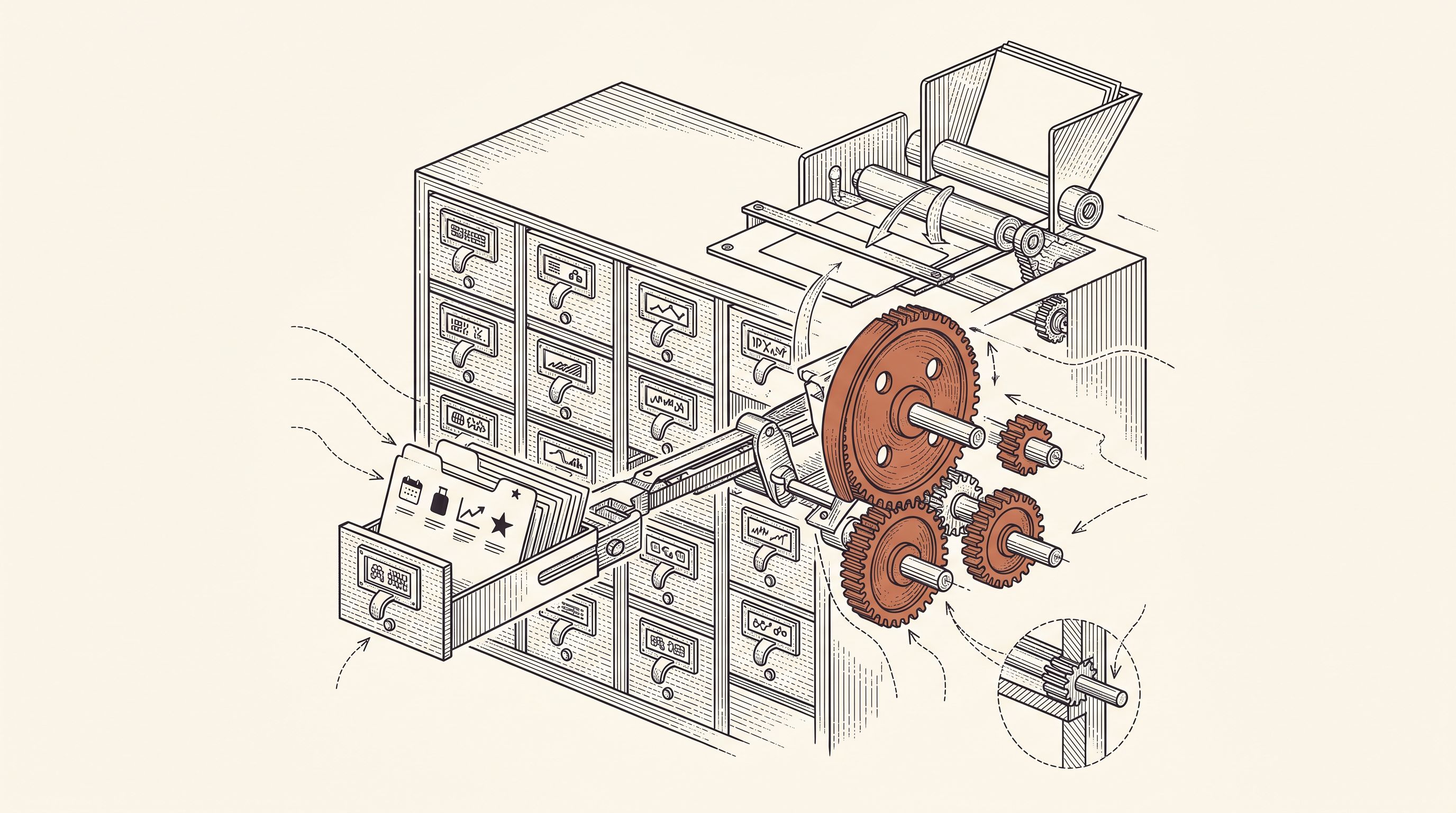
A semantic memory of your brand's real facts, so every post cites what you actually do and have.
Generate on-brand Instagram posts where the 4:5 feed visual and the caption are built together — a scroll-stopping hook, breathable paragraphs, and full-word hashtags grouped at the end, scheduled and ready to publish.
Generate professional LinkedIn posts, mention real people and companies right in the text, then publish to your profile or your company page.
Generate conversational Facebook posts, set your emoji and hashtag level, and schedule them straight to your Facebook Page. Text and visual built for the feed.
You know what to pull each week. Readytopost takes care of the consistency of your communication — your energy stays on the floor.
Monthly plansReady in minutesCancel in one click