
How to Grow a Product Business on Instagram From Zero
Build a useful Instagram foundation before chasing reach: clarify the offer, collect real product proof, give each post a job, and repeat the sequence.
Nobody judges your soap. They judge the rectangle showing it — and it says the opposite of what you made.

You make it yourself: soap, candles, ceramics, jewelry, fine foods, stationery, leather goods. You sell online and at maker markets, and your shop fills up mostly from the scroll on Instagram, Pinterest and Facebook. But between your product and the buyer, there's only a rectangle on a screen — and it's that rectangle, not your work, that gets judged first.

What if your creation finally got the right frame?
The same product looks different the moment the frame changes, no new camera needed.
Change the framePut two clearly distinct objects on the table: your creation, and the photo of your creation. On a feed, the buyer never touches the first — she only meets the second, a rectangle on a screen. As long as you conflate the two, you accuse the wrong culprit: you tell yourself "my product isn't interesting" when your product was never put to the vote. What got judged was the frame. The silence isn't about your soap; it's about the photo of your soap.
Reread your last post telling yourself "that's the image, not the object."
You know the product: you can still smell the wax, you remember the pour. The stranger scrolling can't. In half a second, before a single thought, her eye notes three things: the background, the light, the clutter. And it instantly translates them into "real brand or hobby," "premium or cheap." Learn to see your photo the way she does, cold, not as the proud maker who knows what's behind it. It's uncomfortable, but that's exactly the gaze that decides whether to buy.
Shrink your photo to feed-thumbnail size: what stays legible is what gets judged.

The stray objects in the frame don't stay neutral: they hand their attributes to your product. The counter says "pastime." The hard light from a single window says "not careful." The dish towel, the outlet, the crumb in the corner say "not sure of herself." Name the leak for each detail: the background drags your credibility down, the flat light flattens the material, the mess plants doubt. Stacked together, these little leaks pull perceived value — and the price the buyer lets herself imagine — well below what your work deserves.
Say out loud what each visible object "says" about your brand. You quickly hear what drags it down.
The reflex is to believe you need a better camera, a lightbox ordered online, or months learning photography. Wrong. The raw material — your real photo, your real product — is already enough. What's missing isn't gear, it's a layer of staging: the same real product set in a thought-out scene, a lifestyle composition, a clean branded frame with text. The lever isn't in the shooting technique, it's in the staging. And that, you can apply to photos you already have.
Before buying anything, ask: is the problem the shot, or the staging?
The most important part of the diagnosis is the relief it brings. Your product was never the problem, and you were never "bad at marketing." The only thing between your work and the scroll that stops is a layer of staging laid over photos you already have. That shifts the whole problem: you move from "I have to become a photographer" to "these images just need staging." The first is a wall. The second is fixed in a few minutes.
Write it down: "it's not my product, it's the frame." It's true, and it changes everything.
You spot the leak, ReadyToPost rebuilds the frame.
Your real photo, flaws and all, becomes a branded visual — no photoshoot, no gear.
Rebuild the frameDo
Don't
Situation
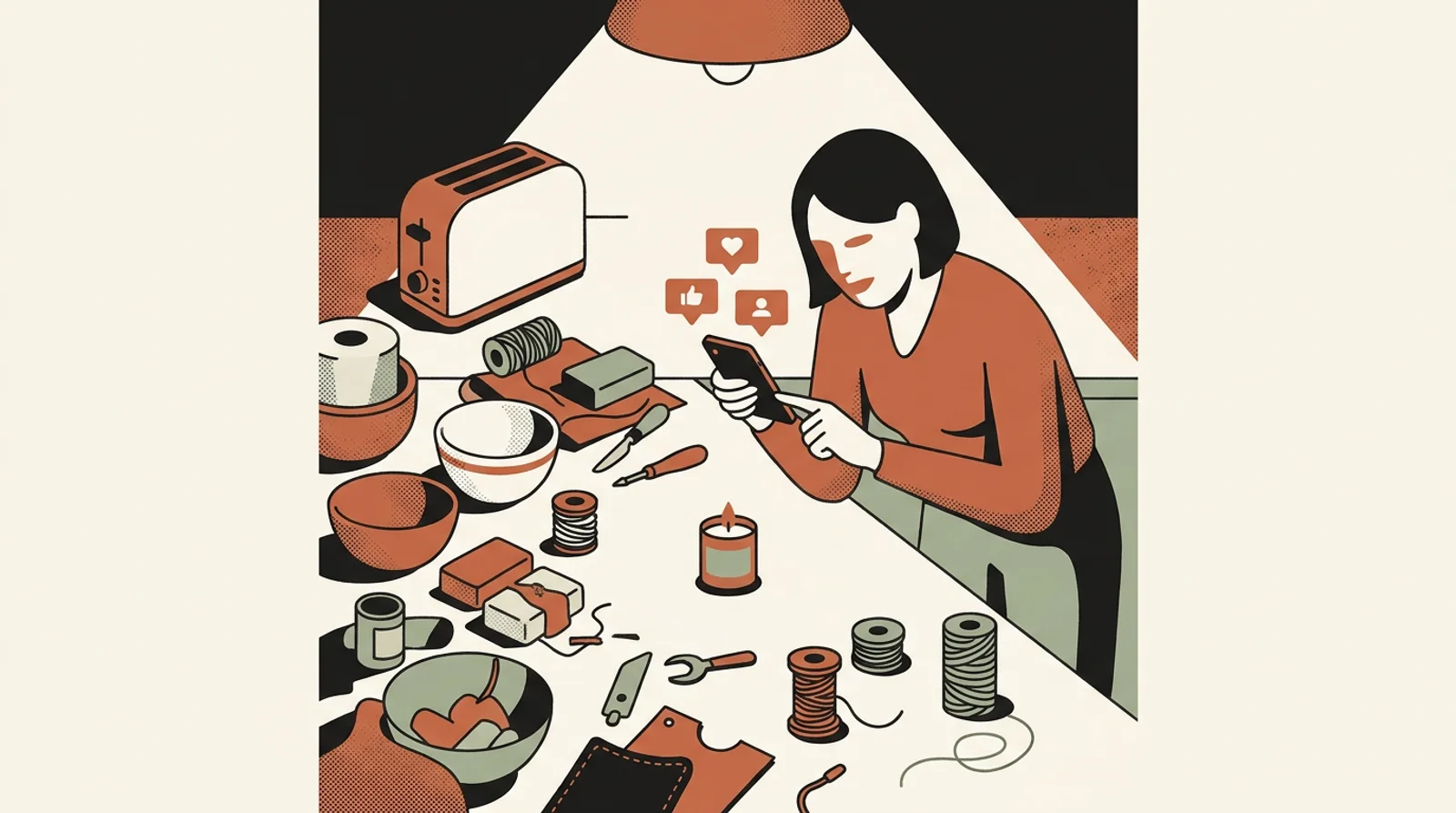
Ava makes scented candles in small batches, in an ivory soy wax she pours by hand. On Wednesday evenings, she photographs her new fig-and-cedar scent on the kitchen table, on her phone, by the light of the pendant lamp overhead. Behind it, you can see the toaster and a corner of a checkered dish towel. She posts to Instagram and Facebook. Thirty-four likes, mostly friends. No orders. She files the photo away, telling herself her fig-and-cedar "just doesn't land."
Action
Before redoing anything, she rereads her feed with the stranger's eye. She names the leaks: the pendant lamp yellows the ivory wax and makes it look dirty, the toaster says "kitchen," the dish towel says "not a brand." She realizes the scent was never judged — only the photo was. She takes the same shot, no new camera, and has it staged: her candle set on a light wooden tray, in a warm evening light, a blurred shelf in the background, her brand name cleanly worked in. Same candle, same wax, different rectangle.
Outcome
The visual stops under the thumb instead of sliding past. The fig-and-cedar becomes what it was all along: a candle you want to hold. Ava realizes the scent had nothing to answer for, the frame did — and that she can treat her next ten photos the same way, without ever pulling out a camera or spending her evenings on it.
Same product, new eye, new result.
The product doesn’t change, the staging does — and that changes everything mid-scroll.
You can invest in the best body and keep shooting on the same corner of table, with the same background and the same hard light. The photo will be sharper, but it'll still say "pastime." A sensor doesn't put your product in a scene; the lever is the staging, not the image resolution.
When a post slides by with no reaction, the reflex is to doubt the creation itself. But on a feed, your creation was never shown to the buyer — only its rectangle was. Reading the silence as a verdict on your craft is accusing the innocent and letting the real culprit slip away: the frame.

Wanting to learn photography first turns a small, fixable problem into a months-long project — during which you stop posting, and your shop stops filling from the scroll. The photo you already have is a sufficient starting point; what it needs is staging, not a diploma.
You've just identified where it's breaking. Addressing it will take your time, your focus, your energy. Meanwhile, your communication can't go dark — or turn into filler. Readytopost keeps it at a demanding level on the five social networks: posts written, images generated, calendar filled — calibrated on your work.
Start with ReadyToPostKeep going on your own. The method for makers lays out the principles that turn a diagnosis into durable action — across every lever, not just communication. Concrete markers to help you decide on the fly, without imposed recipes or rigid calendars. At your pace, at your scale.
Continue to the method
That's the most natural conclusion, and almost always the wrong one. On a feed, the buyer never meets your product, only the rectangle showing it. What got judged in half a second was that frame: the background, the light, the clutter. As long as the photo says "DIY," your creation can be stunning and never get its chance. The silence is about the image, not the object.
No, and that's the good news of this diagnosis. The lever isn't gear: your phone photo already holds all the useful information about your product. What's missing is a layer of staging — your product set in a scene, a lifestyle composition, a branded frame. A better sensor would make your photo sharper, but it would still say "kitchen corner." The problem isn't sharpness, it's the context around the product.
It starts from your real photo and stages it: it sets your product in a thought-out scene, builds a lifestyle composition or a branded visual with text, so the same object finally reads like a brand. The product stays real and unchanged — the AI doesn't invent it, it only changes how it's presented. Your ivory wax stays your wax; it's the kitchen background and the yellow light that disappear.
That's exactly the heart of it — your hands are full of products, not marketing. Once your photo is staged, ReadyToPost also writes the captions tailored to each network where you actually sell: Instagram, Pinterest, Facebook. Turning a product photo into ready-to-post content takes a few minutes a week instead of a whole evening, and you're back at the bench.
The opposite happens. Right now your feed mixes one good photo with ten makeshift shots, and it's that mess that reads amateur. By treating all your images the same way, you give your shop a consistent, cohesive look — the regularity and volume that make a stranger read you like a real brand, without you turning into a marketer.
Build a useful Instagram foundation before chasing reach: clarify the offer, collect real product proof, give each post a job, and repeat the sequence.

Choose one Etsy listing, give each week a clear buyer job, and turn accurate product facts and photos into a connected Instagram campaign.

Sell a digital download on Etsy by solving one buyer task, packaging the files clearly, publishing a complete digital listing, and promoting the offer with a repeatable proof sequence.
Turn each product into a useful Instagram sequence: show the material, explain a making decision, prove the result, then make the offer clear.
Linking your Etsy shop to Instagram is a five-minute bio setting. The reason clicks don't turn into orders is different: your feed and your shop look like two different sellers. Here's the fix.
The Instagram content mix that keeps handmade brands posting for months: more process shots than finished pieces, not prettier ones.

From a single website URL, ReadyToPost builds your brand profile and starts generating on-brand posts — no manual brief to fill.
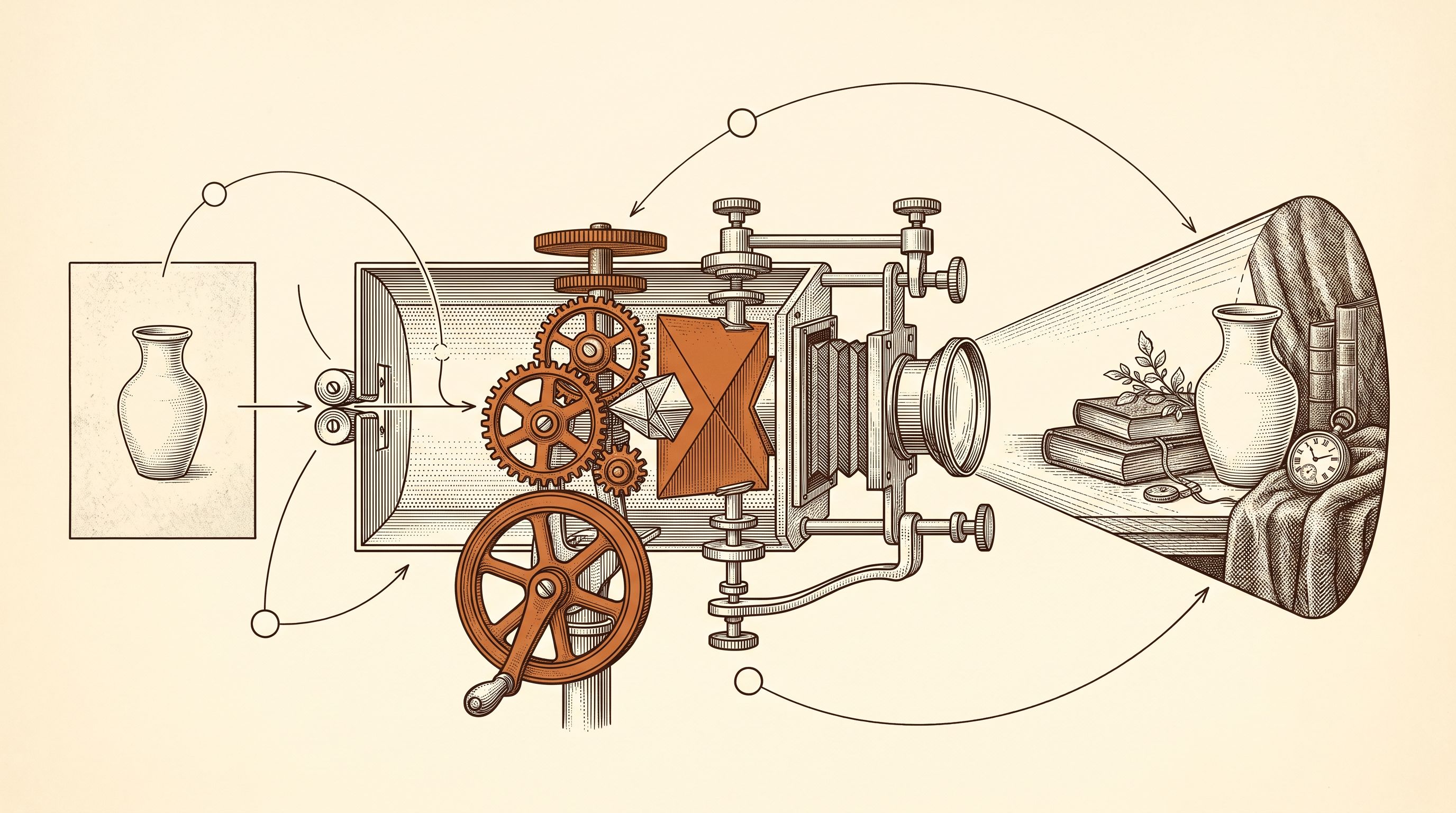
Generate social visuals from your real photos — in your style and fonts, in the right format per network. Fix any detail in one sentence.
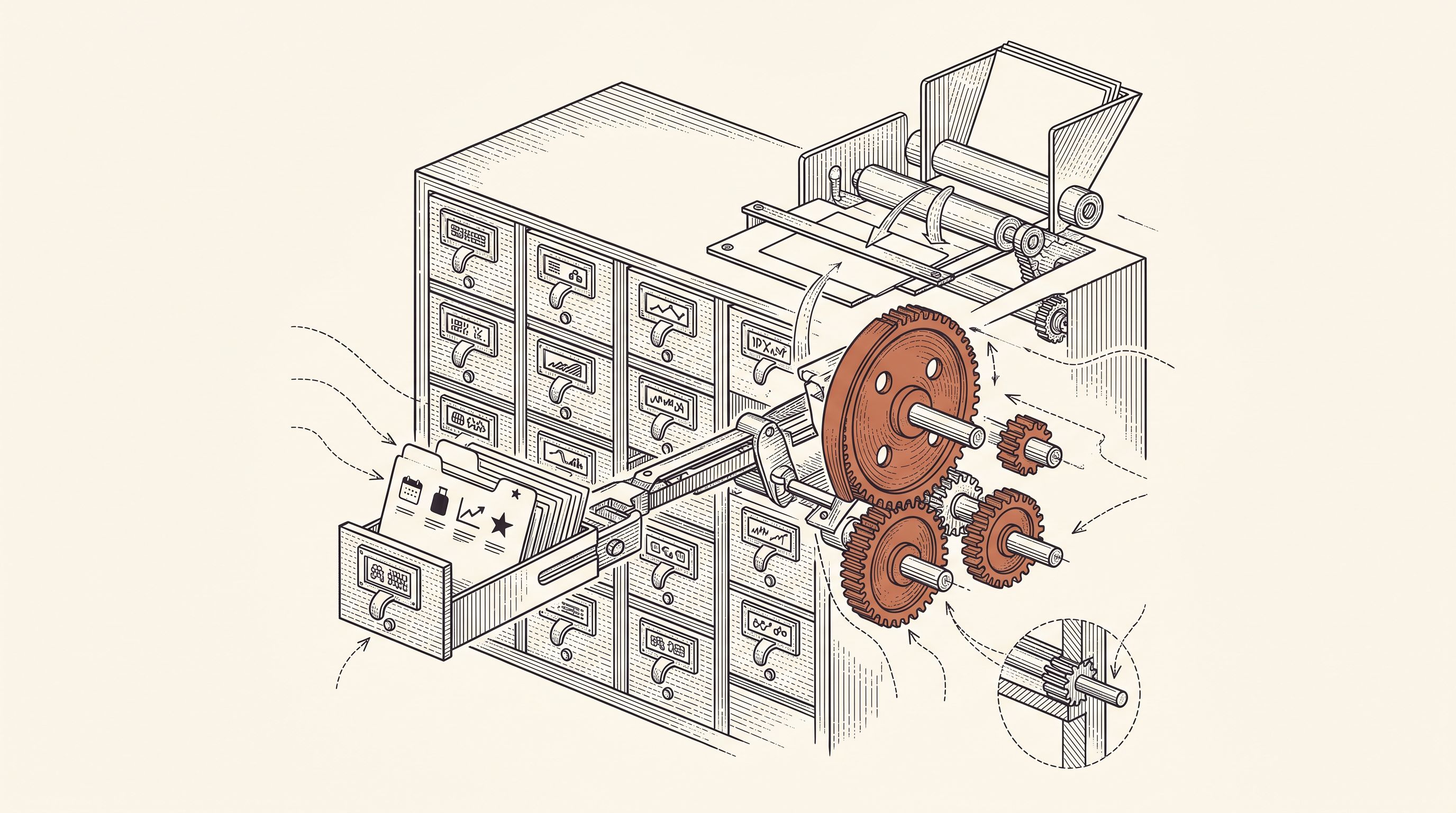
A semantic memory of your brand's real facts, so every post cites what you actually do and have.
Generate on-brand Instagram posts where the 4:5 feed visual and the caption are built together — a scroll-stopping hook, breathable paragraphs, and full-word hashtags grouped at the end, scheduled and ready to publish.
Generate professional LinkedIn posts, mention real people and companies right in the text, then publish to your profile or your company page.
Generate conversational Facebook posts, set your emoji and hashtag level, and schedule them straight to your Facebook Page. Text and visual built for the feed.
You know where to look. While you address it, Readytopost keeps your communication alive — written, illustrated and scheduled every week.
Monthly plansReady in minutesCancel in one click