Instagram Marketing Plan for Coaches: A Weekly System
Build a coach-specific Instagram plan that turns one clear offer into a coherent week of useful, credible posts and invitations.
You don't prove an intangible transformation by describing it

A proof series reveals no client. It takes your method, breaks it into five pieces someone can read, try, or argue with — and lets the prospect experience it before the first call.

What if your proof built up, day after day?
ReadyToPost writes and illustrates each day of the week, so you never wait for the perfect post.
Build my proofA series proves something only when all five posts orbit the same idea. Take ONE core principle from your method — the one you repeat in session, the one clients always stumble on at the start. "A fuzzy goal produces fuzzy action." "You don't break a habit, you replace it." "The problem someone names is almost never the real problem." That becomes the spine of the seven days. Everything else — the exercise, the corrected belief, the behind-the-scenes — descends from that line. A series that hops from topic to topic proves nothing: it reads like a calendar filled at random.
Write the through-line as one sentence you could say out loud to a client. If it needs jargon to stand up, it isn't the right line yet.
The first post lays down the through-line without diluting it. Not "here are 7 tips for", but a sharp, defensible claim that creates a little friction: "Most people set goals they can't keep, then conclude they lack discipline." You assert it, you explain why you believe it, you stop. On LinkedIn — the #1 channel for coaches — this is the post that travels furthest: it pulls comments from people who recognize themselves, and that's exactly the audience the rest of the week will warm up. Proof doesn't open with a testimonial; it opens with a conviction the reader can test against their own life.
A claim that makes absolutely nobody react and irritates absolutely nobody proves nothing either. Aim for the "huh, that's true" — not the lukewarm consensus.

This is where the intangible takes shape. Instead of describing what you do in session, let the reader live a fragment of it. "List the last three times you said yes while meaning no. What do they have in common?" Three lines, doable in ten minutes, without you. When someone reaches a small breakthrough on their own thanks to your exercise, they've just tasted your method — and they extrapolate: "if ten minutes did this, what would a full session do?" It's the strongest proof a coach can offer without ever naming a client. You're not recounting a result: you're triggering one, in miniature, inside the prospect.
The exercise has to deliver a real result, not a frustrating teaser. If the payoff lives only inside your paid offer, the reader feels it and pulls back. Give a genuine small win.
A widespread belief, calmly dismantled, is pure expertise on display: it proves you see what others miss. "You're told you need to feel motivated before you act. It's the reverse: action creates motivation, never the waiting." You name the belief without sneering at the people who hold it, you show the real mechanics, you tie it back to the week's through-line. This post installs authority — not "trust me", but "here's how I reason, judge for yourself". This is exactly what building authority without exposing your clients calls proof by method, not by trophy case.
Correct one myth, all the way down. Five myths skimmed in a single post read like a list; one myth dug into reads like expertise.
After five days where the reader has asserted, tried, and rethought alongside you, the final post opens a door — without sliding into a sales pitch. "If this week spoke to you, this is exactly what we work through together, deeper, on a first call." No countdown, no fake scarcity: a logical next step. The series did the work of trust; the invitation only names it. And since you have no product photo to show, each day's visual — the principle, the exercise, the belief — is generated from the text, consistent from Day 1 to Day 7, so the series is recognizable at a glance in the feed. This is what filling discovery calls in a week carries further.
The closing invitation should be readable by someone who saw none of the earlier posts without making them uncomfortable. No hint of a "limited offer" invented for the sequence.
The through-line is yours — ReadyToPost holds the pen.
ReadyToPost drafts the series and generates its visuals, from the principle to the invitation.
Write my seriesDo
Don't
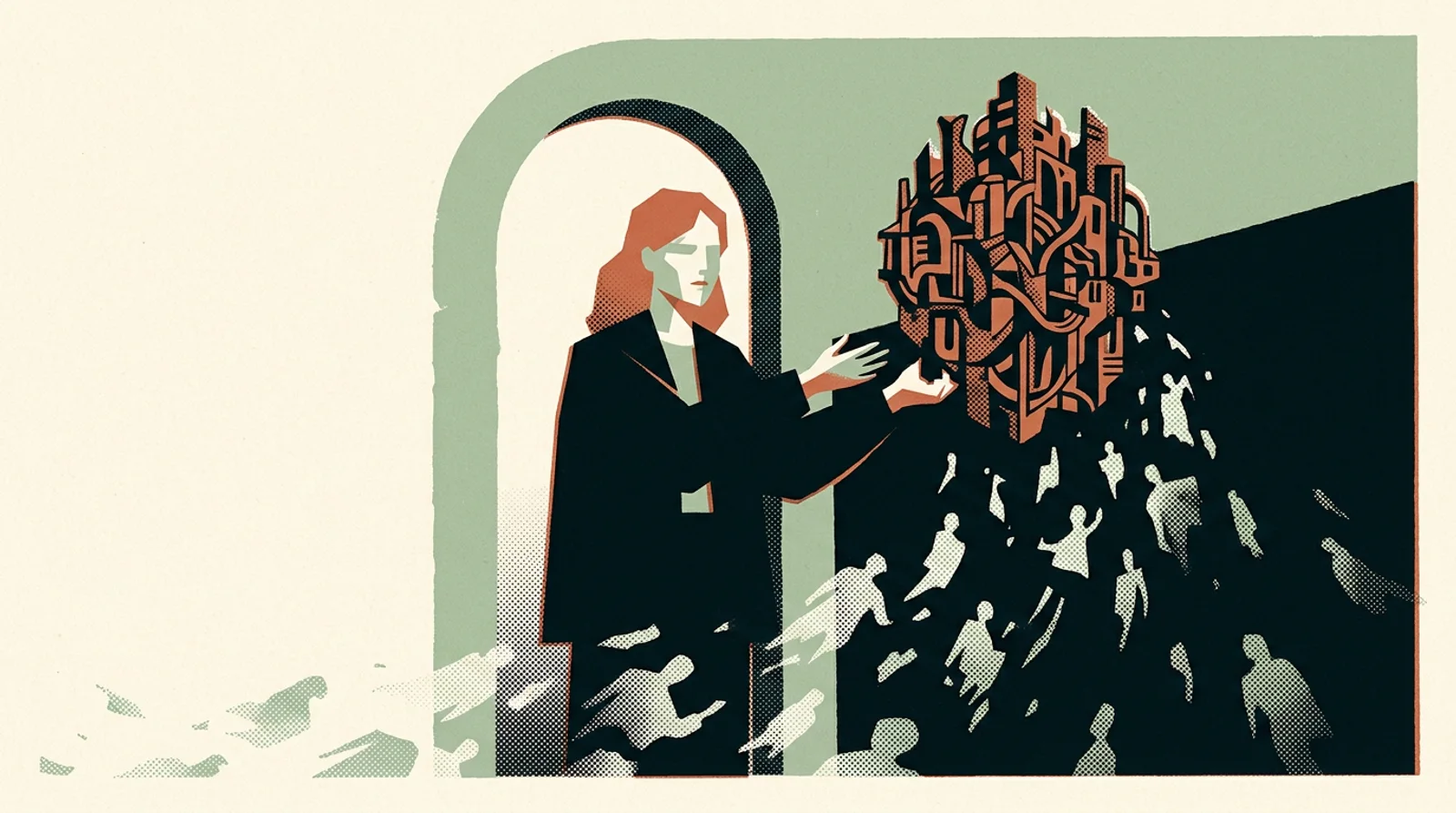
Situation
A leadership coach posts one good piece a month, with no follow-through. She gets excellent client results but works under a strict confidentiality clause: no name, no sector, no before/after she can cite. Her LinkedIn feed gets little traction, and her rare discovery calls come mostly from old acquaintances.
Action
She picks a through-line: "A manager who wants to be liked makes bad decisions." Day 1, she lays down the principle — and it draws twelve comments, unheard of on her feed. Day 2, a mini-exercise: "Spot the last decision you postponed to avoid upsetting anyone." Day 4, she corrects the myth that "a good manager is a well-liked manager." Day 6, she invites people to a call to "map the decisions your need for approval makes you avoid." All five visuals share the same identity, generated without a single photo, and the series reads as one whole.
Outcome
Over the week, her principle post tops a thousand views for the first time, and the Day 2 exercise draws "I just did this, it's unsettling" in the comments — the most credible proof she has ever published, without naming a single client. Three discovery calls land within ten days, all from people who didn't know her. She runs the format again the next month on a different through-line, and her rhythm stops depending on the inspiration of the moment.
Your principle can become a series that holds together.
ReadyToPost turns your through-line into a full series, visuals included.
Five posts that repeat "I transform your leadership", "I unlock your career", "I reveal your potential" prove nothing — they're five billboards. Proof appears when the reader tries something and sees an effect for themselves, or when you dismantle a belief they took for granted. A promise asks to be believed; proof lets the reader check. The coaching niche drowns in promises: that's exactly what makes proof, when it finally arrives, so rare and so effective.
A series draws its power from being complete: the sequence is what proves, not an isolated post. Yet many coaches start strong and stall on Day 3, short on time or ideas. The prospect then sees only a beginning with no follow-through — worse than silence, because it signals you don't sustain anything. The fix isn't "find more motivation": it's preparing all five posts and their visuals up front, in a single motion, so the week unfolds without depending on the energy of the day.

Many coaches wait for "the" incredible, nameable, cleared-for-use transformation before they dare speak — and so they never speak. But the sturdiest proof doesn't come from an exposed client: it comes from your reasoning made visible and from an exercise that works on the reader themselves. You need no one's permission to share your method. Confidentiality isn't a wall against visibility — it's just an invitation to prove a different way.
Pulling these levers every week is already a discipline. Adding communication on five social networks is another — and the one that gets sacrificed first. Readytopost takes the second one off your plate: posts, images, scheduling, calibrated on your work. So the first one keeps all your attention.
Start with ReadyToPostBack to the overview for independent coaches to browse all guides — diagnosis, method, practice — in whichever order fits. Three floors that complement each other: one to understand, one to think, one to act. You go in where it pinches most today, and come back when a new question shows up. No required order.
Back to the overview
By shifting the proof from the trophy case to the method. You don't need to show a named before/after: you show how you reason, and you let the reader experience a fragment of your approach through a mini-exercise they do alone. When someone gets a breakthrough in ten minutes thanks to your exercise, they've just tasted your method — that's more convincing proof than a testimonial they might suspect was staged. Confidentiality doesn't stop you from proving; it forces you to prove better, by demonstration rather than anecdote.
Five posts orbiting the same through-line aren't five interruptions: they're a sustained demonstration, and the sequence itself is what proves. A prospect who watches you assert, try, correct, then invite over a week understands what you do far better than from one brilliant post every three months. Frequency is never the problem for this niche — intermittence is. The risk isn't posting too much, it's posting at random with no thread: that's when volume tires people out. With a clear through-line, five posts read like a story.
LinkedIn first — it's the #1 channel for independent coaches, where the principle post and the myth correction travel furthest and draw comments from qualified prospects. Instagram comes second, ideal for the mini-exercise in a visual format and the behind-the-scenes glimpses of your method. The same through-line then adapts across the other networks (Facebook, Pinterest, X), with texts and visuals tailored to each. You don't write five different series: you hold one thread, and it adapts.
This is exactly where intangible expertise gets stuck: no product, no venue, nothing to photograph. The answer isn't to post the same desk photo of yourself five times. Each post — the principle, the exercise, the corrected belief — gets a consistent visual generated without a source image, sharing the same identity from Day 1 to Day 7, so the series is recognizable at a glance in the feed. The visual doesn't show an intangible result: it carries the idea of the day and signs the series as a whole.
Run it again on a different through-line the following month. An isolated series creates a spike; series that follow one another build a presence and a rhythm that stop depending on inspiration. Each week of proof digs into a different angle of your method, and together they end up mapping your territory of expertise in the eyes of a prospect who follows you. The goal isn't a one-off flash: it's a system that fills the calendar and warms the pipeline continuously, week after week.
Build a coach-specific Instagram plan that turns one clear offer into a coherent week of useful, credible posts and invitations.
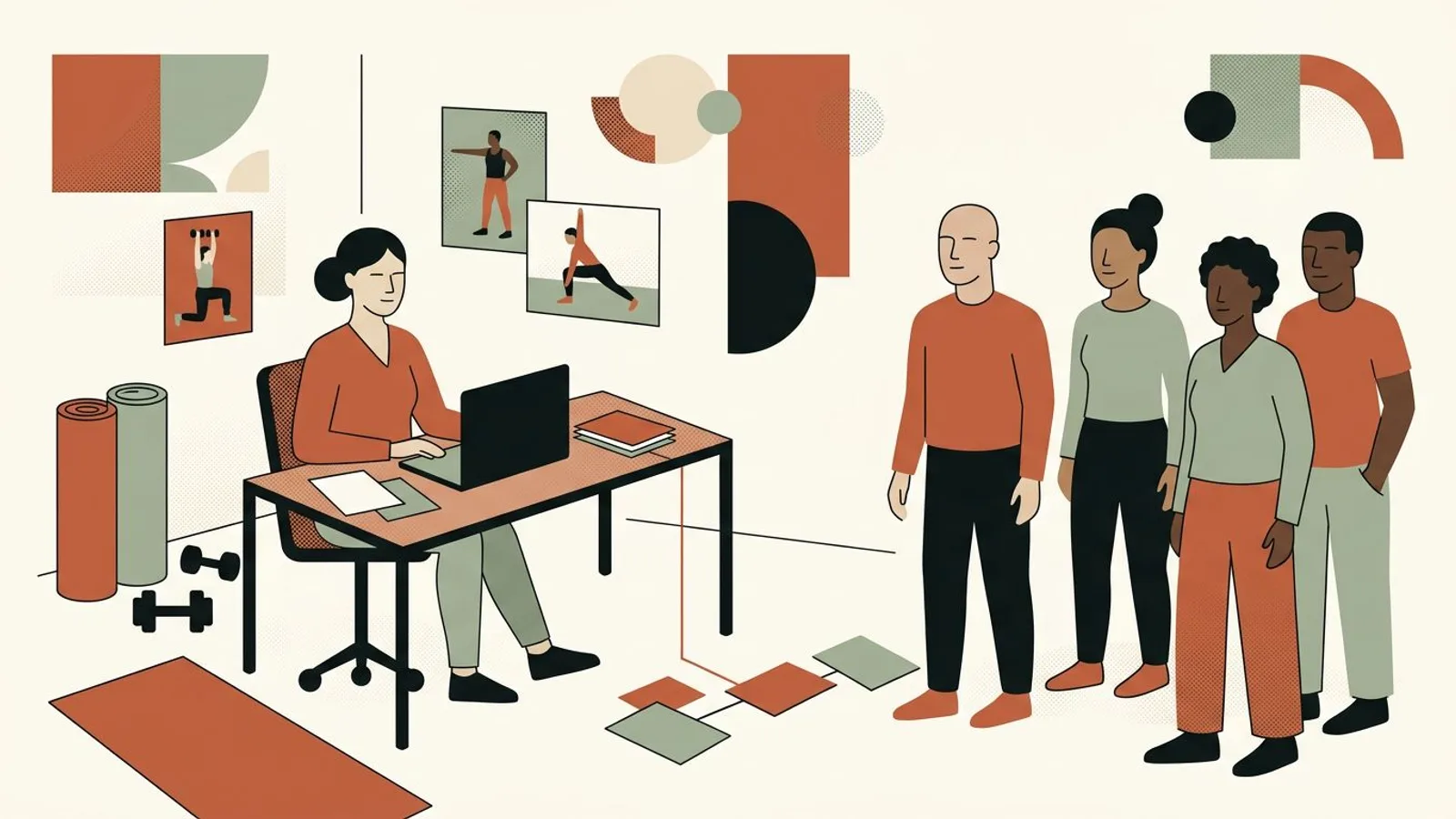
Build a visible path from one specific client problem to a clear remote offer, grounded proof content, and one simple intake action, then review it weekly.

You do not need an audience to sign your first coaching clients. You need one clear sentence, an activated first circle, and just enough public proof. Here is the five-step method.
Most coach bios promise a transformation but hide the method. Use one client, one change and one observable way of coaching to make yours specific.
Nine notes from a year of watching coach accounts on Instagram: the posts that book discovery calls, the ones that only collect saves from other coaches, and what to publish the week nothing happened.
A fitness coach answers 8 to 12 post-worthy client questions a week, out loud, and loses them. This walkthrough turns one logged week into a month of posts.
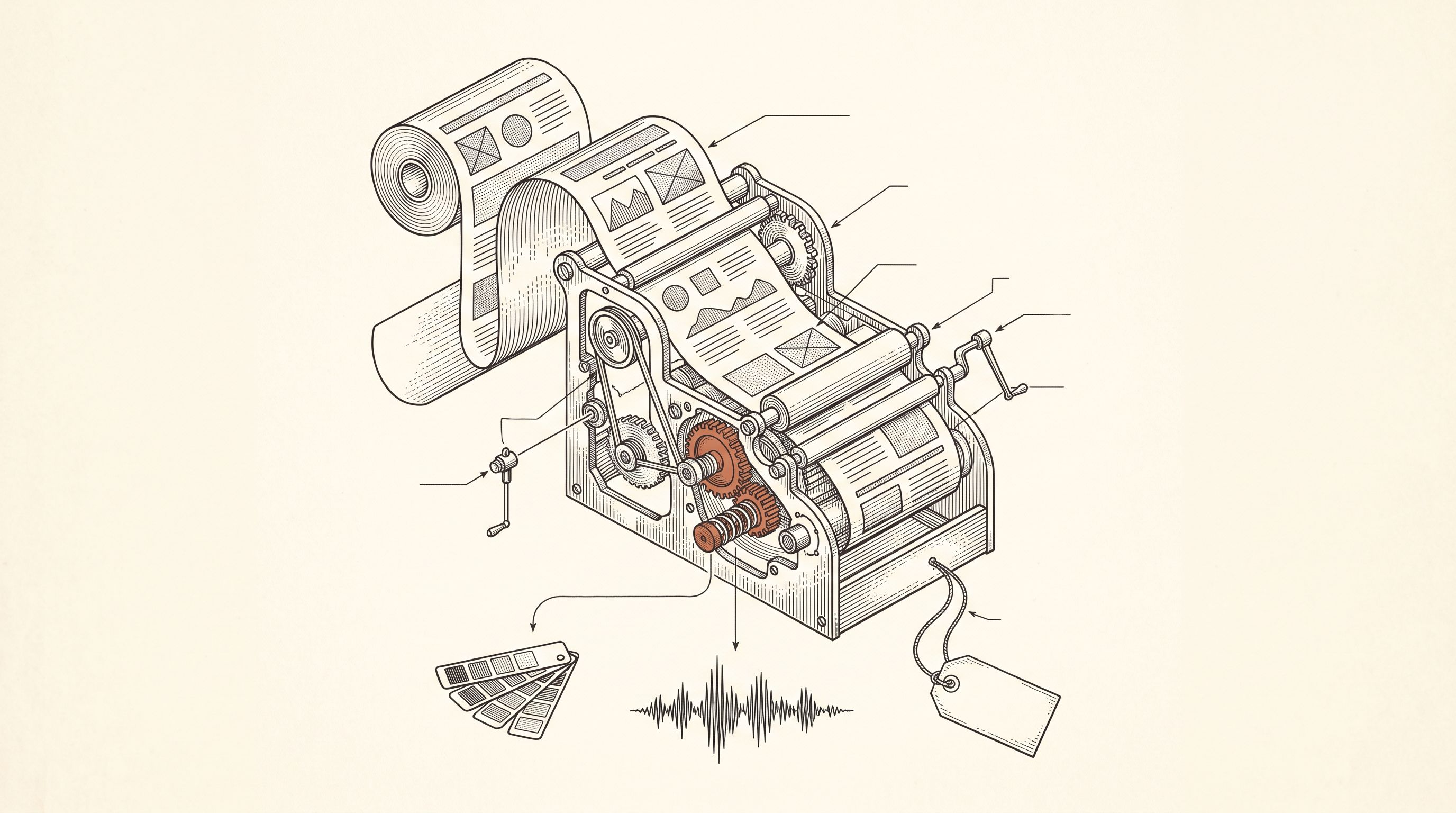
From a single website URL, ReadyToPost builds your brand profile and starts generating on-brand posts — no manual brief to fill.
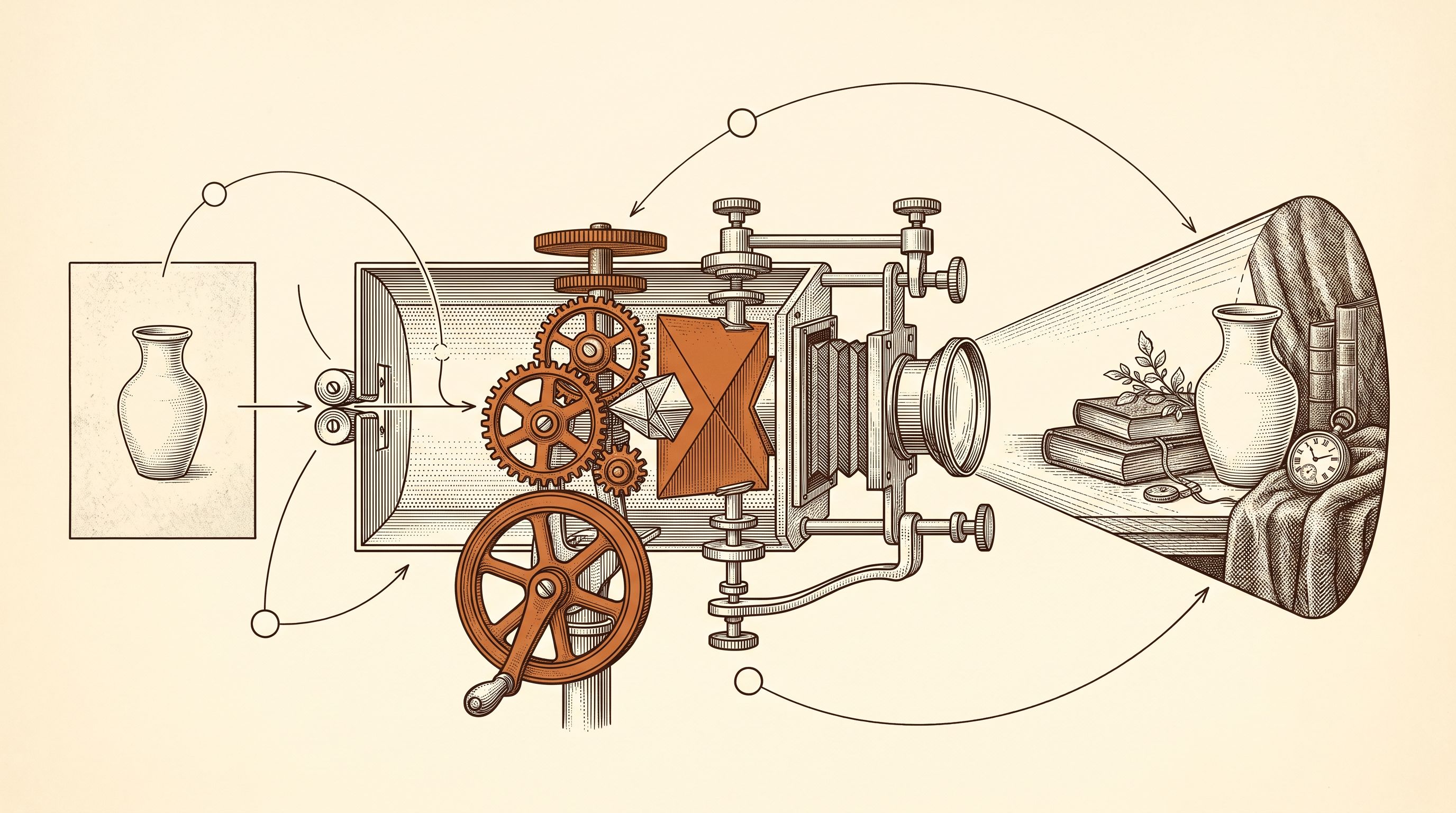
Create AI product images and social media visuals from your photos or from scratch. ReadyToPost applies your brand style in the right format for each network.
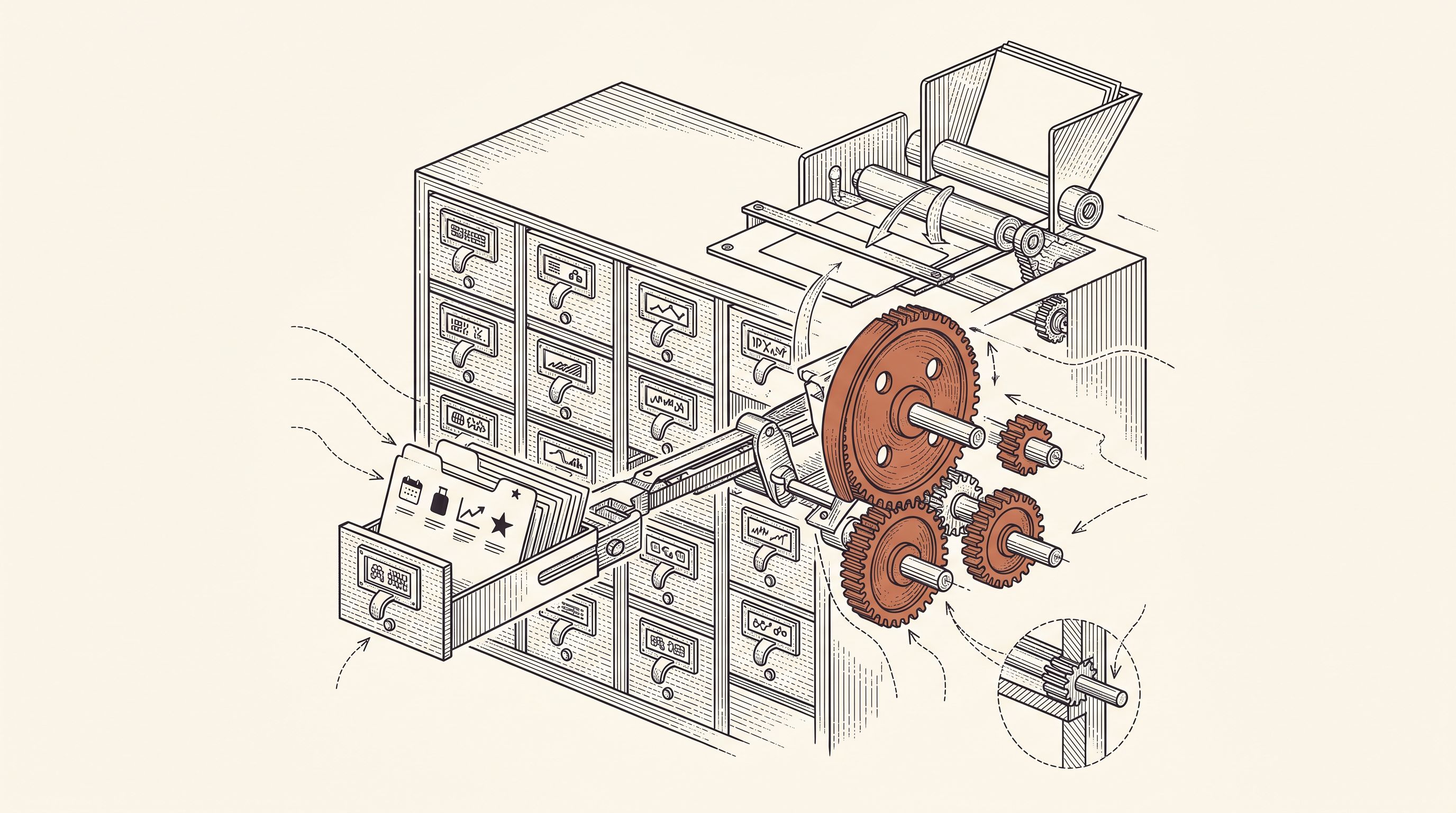
A semantic memory of your brand's real facts, so every post cites what you actually do and have.
Generate on-brand Instagram posts where the 4:5 feed visual and the caption are built together — a scroll-stopping hook, breathable paragraphs, and full-word hashtags grouped at the end, scheduled and ready to publish.
ReadyToPost prepares LinkedIn posts in your voice every week. Review and approve your content, then publish to your profile or company page on schedule.
ReadyToPost prepares Facebook images and posts in your voice every week. Review and approve them, then schedule publication to your Facebook Page.
You know what to pull each week. Readytopost takes care of the consistency of your communication — your energy stays on the floor.
Monthly plansReady in minutesCancel in one click