Instagram Marketing Plan for Coaches: A Weekly System
Build a coach-specific Instagram plan that turns one clear offer into a coherent week of useful, credible posts and invitations.
You don't prove you help people by putting them on display. You prove it by showing how you think.
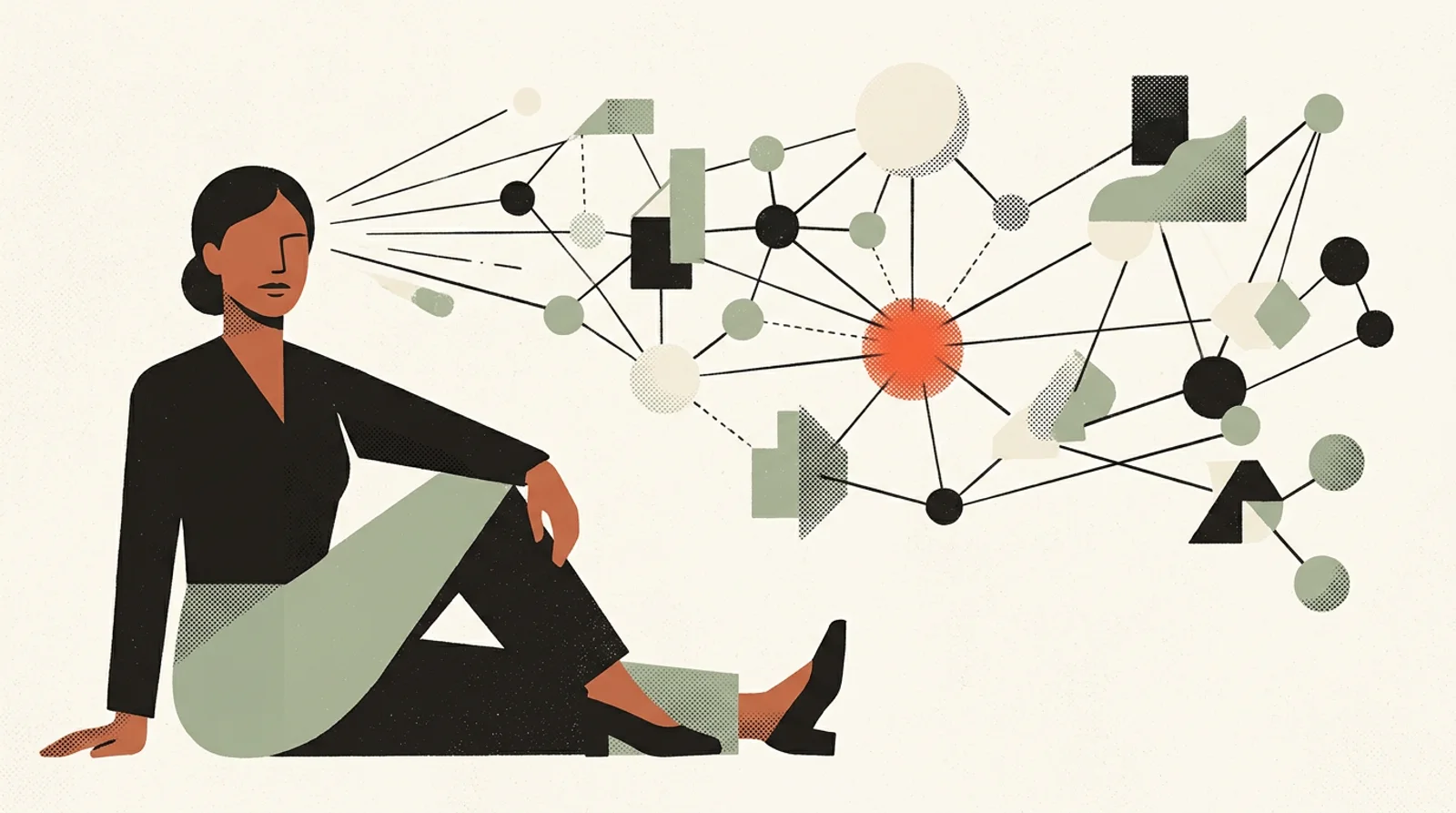
You know you change trajectories, but confidentiality forbids you from proving it the way a product would. Authority doesn't come from what you reveal about your clients — it comes from what you reveal about your thinking.

Your thinking can be proof enough.
ReadyToPost turns your professional convictions into credible posts, without ever naming a client.
Let my thinking convinceA prospect can't see your clients, but they can see how you reason. That's your publishable case study: the way you take a sticking point apart. Pick ONE recurring problem from your niche — the leader who can't delegate, the rep who sabotages their own closings, the executive who says yes to everything. Describe publicly how you approach it: the first signal you look for, the question that shifts the angle, the mistake everyone makes. You've named no one. You've proven you know exactly what you're talking about — which no generic testimonial ever does.
The test: could your post have been written by someone who has never coached anyone? If so, it's missing the field detail that can't be faked. That detail, not the client's name, is what makes the proof.
A transformation stays tellable without the client: you drop the who, you keep the mechanism. "A leader I work with" becomes "a leader who arrived convinced his problem was time — when it was really the fear of letting people down." The prospect recognizes no one, but recognizes himself. The rule: enough texture to be credible (the precise breakthrough, the phrase that keeps coming up in session), zero identifying element (a too-narrow sector, a unique figure, a recognizable situation). Change a neutral detail if needed, and say so if precision barely matters. Confidentiality doesn't forbid telling the story — it forbids pointing at someone.
Ask yourself: if this client read the post, would they feel exposed or simply seen? As long as the answer is "seen," you're on the right side. At the slightest doubt, merge two situations into one composite figure.

Authority doesn't come from consensus, it comes from taking a stand. A coach who says "you have to know yourself well" proves nothing; a coach who says "most career assessments fail because they hunt for a job title instead of a way of operating" stands out instantly. List five things you genuinely believe that most of your profession wouldn't say out loud. Each one is a post. You cite no client, you assert a reading of the craft — and that's exactly what makes people follow you rather than someone else. Conviction is the form of proof that asks no one's permission.
A good publishable conviction should be able to make a peer say "I disagree." If everyone nods along, it isn't a position, it's a platitude — and it builds no authority at all.
Your expertise is intangible: no product, no premises, often not even a photo of you that does justice to what you do. That's exactly the gap ReadyToPost fills. From your method and your convictions, it generates visuals built specifically — a visual metaphor for the breakthrough you describe, a quote turned into an image, a method marker laid down cleanly — without needing a single client photo. The same written core yields the long LinkedIn post, the Instagram version, the short take for X. A conviction written once becomes a consistent presence across several networks.
The conviction is yours, the image comes from ReadyToPost.
You shape the conviction, ReadyToPost turns it into visuals and text for every network.
Publish my convictionsDo
Don't

Situation
A leadership coach has worked with managers for eight years, with excellent feedback. But her clients are executives at large groups, bound by confidentiality: none can testify publicly. Her LinkedIn page comes down to her background and two vague reviews from 2024. She feels legitimate in session, with nothing to show online.
Action
She stops trying to prove through her clients and starts proving through her thinking. Every week, a post anchored on a mechanism: "Why a manager who micromanages almost never has a trust problem — but a problem defining the outcome." No name, no sector. Once a week, a craft conviction. One anonymized transformation per month, merged from two real cases. ReadyToPost generates the visuals from these texts — metaphors for the breakthrough, quotes turned into images — and adapts each post for LinkedIn first, then Instagram and X.
Outcome
Within three months, her posts start drawing comments from peers and prospects: "you're describing exactly what I'm living." Two discovery calls came in citing a specific post. She never named a single client, never showed a before/after. Her credibility no longer rests on what she claims to have done, but on what she demonstrates she can see — and no one disputes that.
What if your convictions had the same effect?
ReadyToPost can give your convictions the consistency that, in this example, ended up convincing.
Many coaches believe proof runs through showing off: gratitude screenshots, staged testimonials, "results" pulled out of context. Not only does that flirt with breaking confidentiality, but a savvy prospect reads insecurity in it, not solidity. Real authority is recognized by the opposite: a coach sure enough of their value to never need to brandish their clients.
Waiting for a certification, a client milestone, or some inner go-ahead is the costliest trap. Authority isn't a threshold you cross before publishing — it's built by publishing. Every week of silence spent "getting ready" is a week when a less experienced but more visible coach takes the spot in your prospects' minds.

By trying to stay accessible to everyone, you end up producing posts anyone could have signed — and so no one remembers. Expertise without an angle is indistinguishable from any other. Credibility comes from the edge: what you see that others don't, what you refuse to compromise on. To smooth yourself out is to disappear.
A method is set — still, you need time to put it to work. Readytopost frees that time by taking one front off your plate: your presence on the five social networks. Everything written, illustrated, scheduled — calibrated on your work, week after week. So your energy stays on the trade.
Start with ReadyToPostSee how these principles play out day to day. Practice for independent coaches gives you concrete, illustrated, adaptable levers — directly applicable the following week. No quarterly plans, no annual roadmaps: weekly gestures that touch something right away.
See it in practice
By shifting the proof from the client's result to your reasoning. A prospect can't verify your results, but they can judge how precisely you describe their problem. When you publish the exact mechanism of a sticking point they live through — the signal you look for, the question that shifts the angle, the common mistake — you prove your expertise more surely than an anonymous testimonial ever could. The most powerful proof for an intangible service isn't "here's what I achieved," it's "here's what I see that you hadn't put into words."
Changing the first name isn't enough: what identifies a person is the combination of details (a precise sector, a singular situation, a unique figure, a recognizable context). The right approach is to tell the mechanism — the breakthrough, the dynamic, the pattern — and to neutralize or merge anything that points to someone. A composite figure built from two or three real cases is often truer and safer than a single disguised case. Ask yourself: if this client read the post, would they feel seen or exposed? As long as the answer is "seen," you're in the clear.
LinkedIn first, by far, for most business, executive, career, or sales coaches: that's where the decision-makers are and where substance posts — method, convictions — travel best. Instagram comes second, especially for mindset, life, or productivity coaches, where visuals and closeness matter more. Facebook, Pinterest, and X round it out depending on your audience. The point isn't to be everywhere at full throttle, but to hold LinkedIn consistently and adapt the same material to the other networks without rewriting everything.
That's the difficulty specific to an intangible craft — and it's precisely what ReadyToPost solves. Instead of hunting for a photo that doesn't exist, it generates the visual from your text: a visual metaphor for the breakthrough you describe, one of your convictions turned into an image, a method marker presented cleanly and consistently with your brand. No client photo, no before/after needed. Intangible expertise finally gets an image — its own, built specifically, adapted across several networks.
They scare off the wrong ones, and that's exactly what you want. A coach who pleases everyone etches into no one's memory. A clear position pushes away those who aren't right for you and draws in those who recognize themselves — and those are precisely the ones who become your best prospects. The real risk isn't asserting too much, it's staying lukewarm: a feed of consensus advice builds no authority, because it gives no one a reason to choose you over someone else.
Build a coach-specific Instagram plan that turns one clear offer into a coherent week of useful, credible posts and invitations.
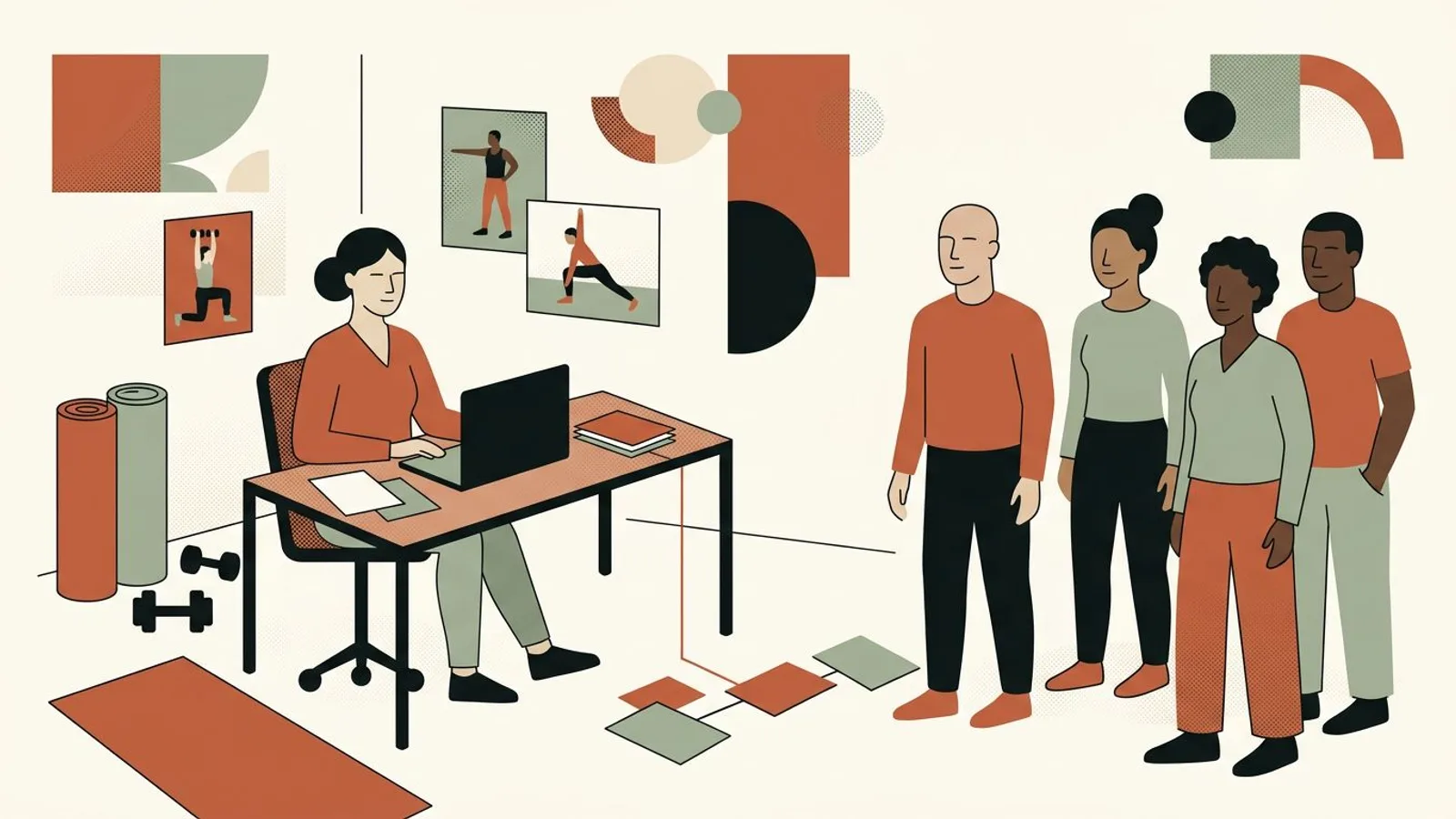
Build a visible path from one specific client problem to a clear remote offer, grounded proof content, and one simple intake action, then review it weekly.

You do not need an audience to sign your first coaching clients. You need one clear sentence, an activated first circle, and just enough public proof. Here is the five-step method.
Cover the names on five life coach websites and you cannot tell them apart. That is a client problem, not a branding one. Here is what to publish so a stranger can choose you.
Most coach bios promise a transformation but hide the method. Use one client, one change and one observable way of coaching to make yours specific.
Nine notes from a year of watching coach accounts on Instagram: the posts that book discovery calls, the ones that only collect saves from other coaches, and what to publish the week nothing happened.
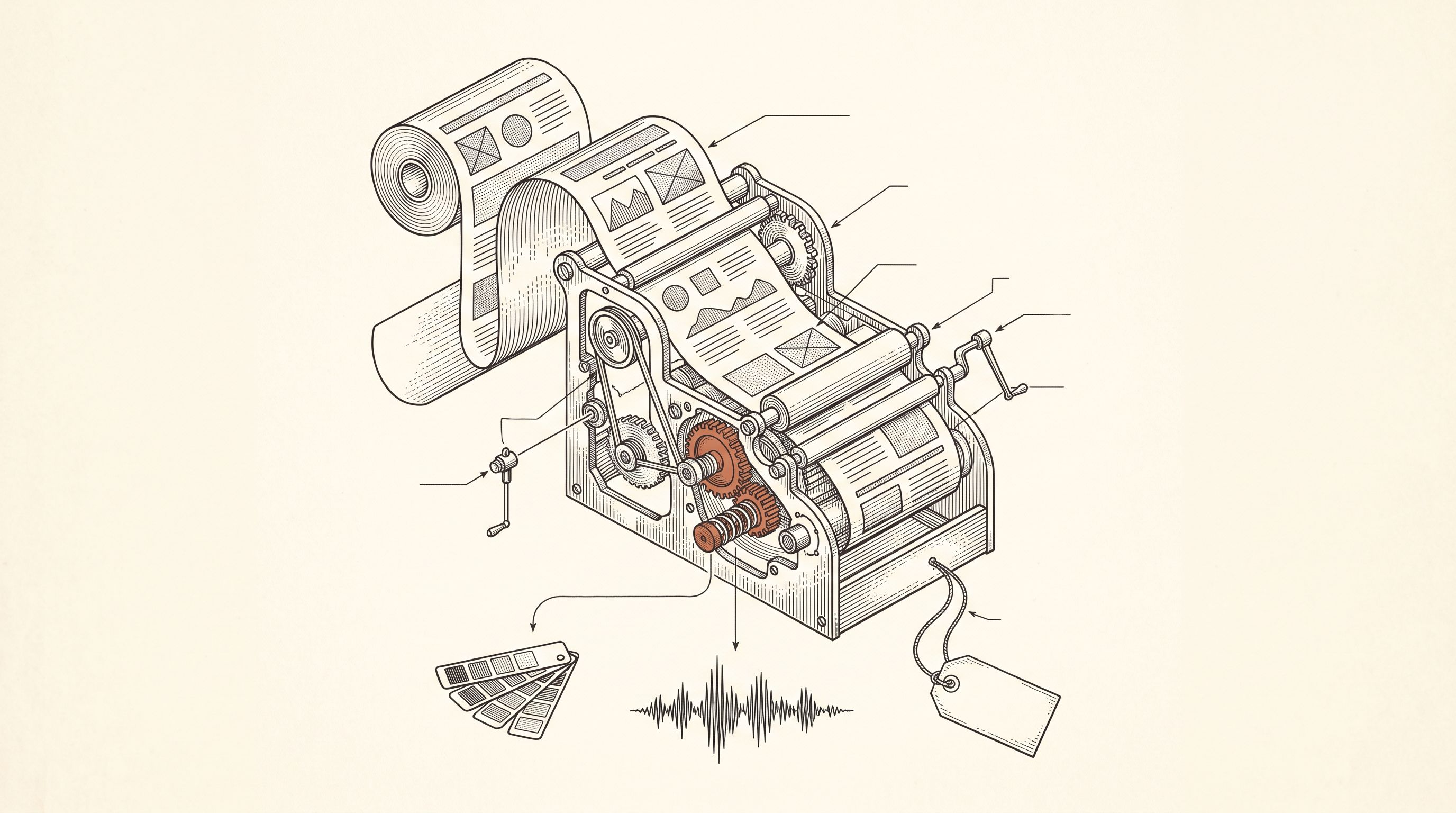
From a single website URL, ReadyToPost builds your brand profile and starts generating on-brand posts — no manual brief to fill.
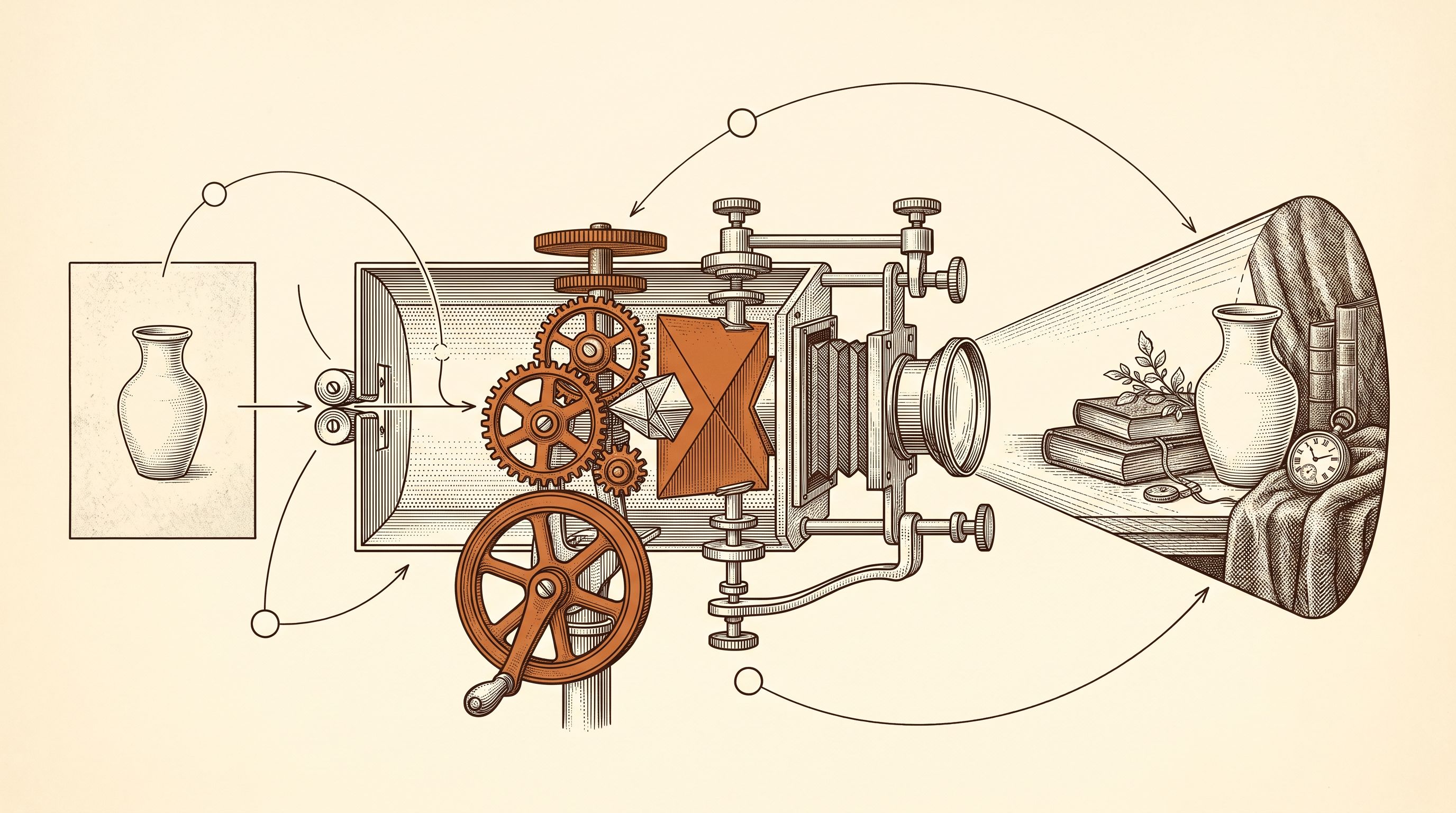
Create AI product images and social media visuals from your photos or from scratch. ReadyToPost applies your brand style in the right format for each network.
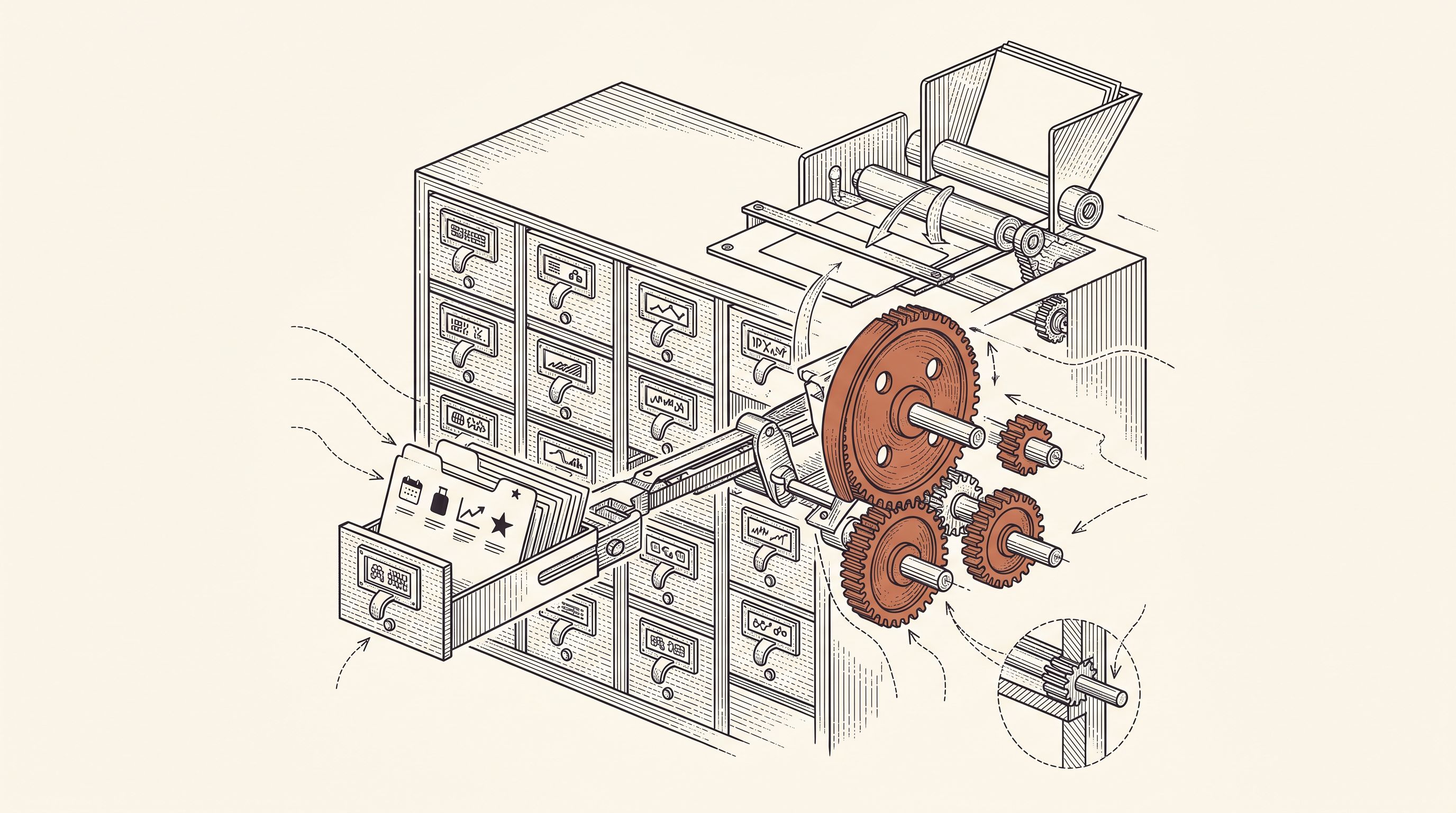
A semantic memory of your brand's real facts, so every post cites what you actually do and have.
Generate on-brand Instagram posts where the 4:5 feed visual and the caption are built together — a scroll-stopping hook, breathable paragraphs, and full-word hashtags grouped at the end, scheduled and ready to publish.
ReadyToPost prepares LinkedIn posts in your voice every week. Review and approve your content, then publish to your profile or company page on schedule.
ReadyToPost prepares Facebook images and posts in your voice every week. Review and approve them, then schedule publication to your Facebook Page.
You hold the principles. Readytopost takes the communication off your plate, every week — so your method stays your method.
Monthly plansReady in minutesCancel in one click