Instagram Marketing Plan for Coaches: A Weekly System
Build a coach-specific Instagram plan that turns one clear offer into a coherent week of useful, credible posts and invitations.
You're not selling an object sitting on a table — you're selling what happens inside someone's head after they've
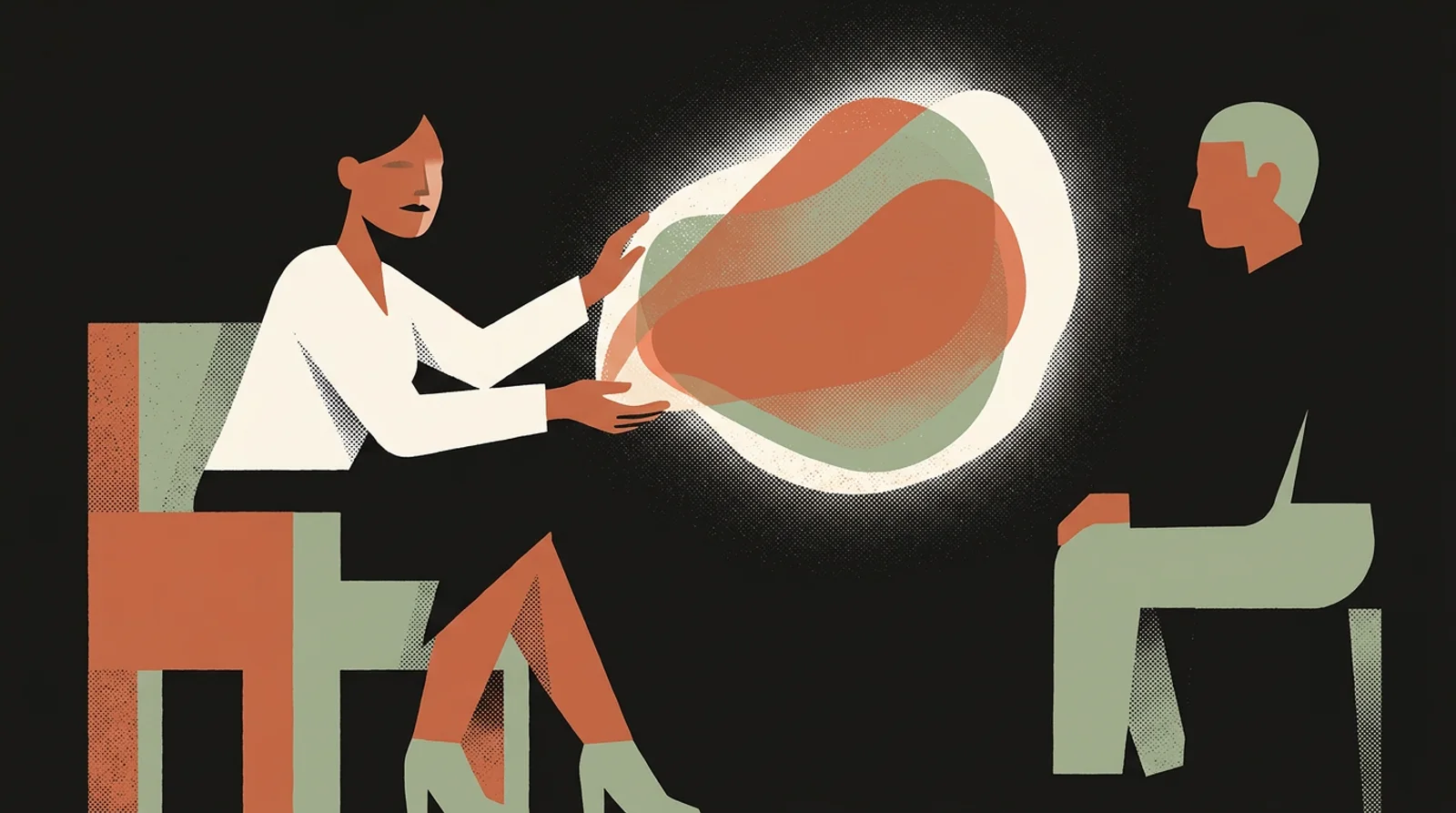
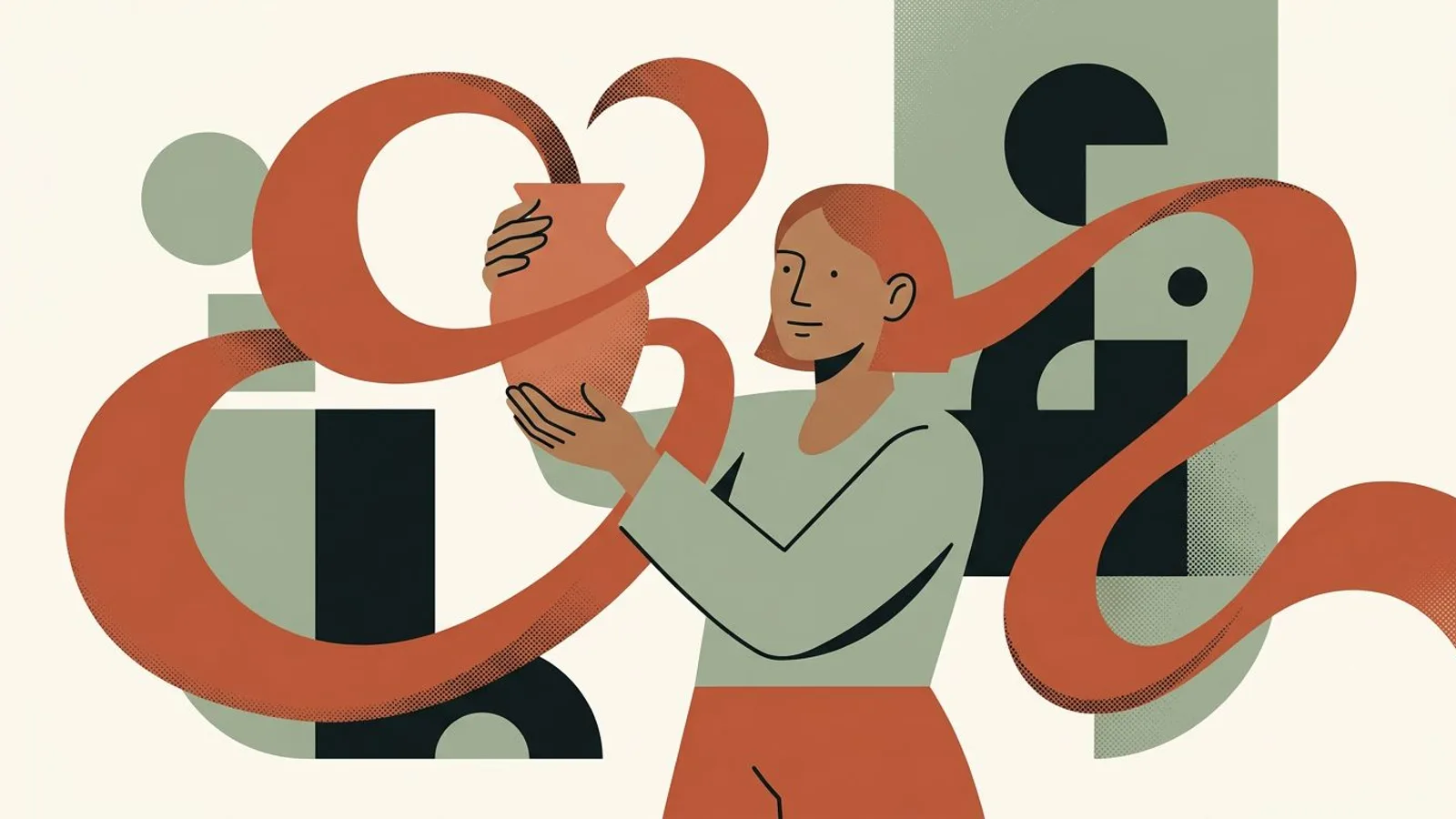
A restaurateur photographs a dish, a hotelier their view at first light. The coach has nothing to set in front of a lens: their value lives in a conversation, a frame, a change that shows up in someone else, not in them. The reflex, then, is to publish bare text, or to recycle soulless stock images — and to look exactly like everyone else.

What if your feed finally had a visual signature?
ReadyToPost generates your visuals in one steady style, with no photo required.
Sign my feedA coach's visual isn't there to illustrate something prettily: it's there to make an intangible thing tangible — a stance, a method, a promise. Before producing anything, write one sentence: "My images should feel like [clarity / rigor / warmth / quiet authority]." That intention guides everything else. An executive coach aiming for rigor doesn't live in the same world as a life coach aiming for warmth — and the prospect feels it in a second, before reading a single word. Without that decision, you pile up images that are pretty but mute.
Write that intention sentence at the top of your notes and reread it before each batch. If a visual doesn't reinforce the word you chose, it weakens your message — however beautiful it is.
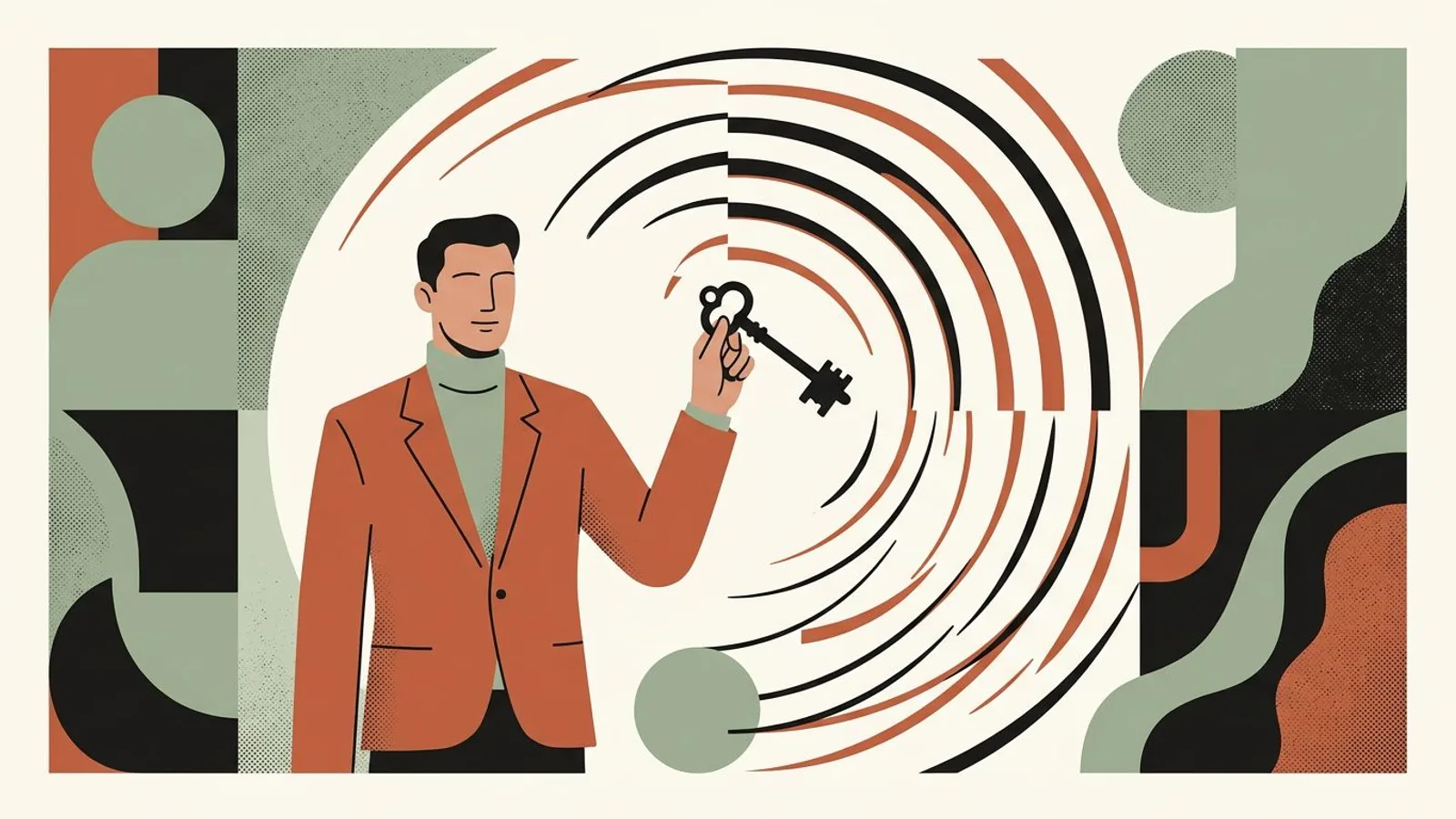
What you sell can be shown without ever picturing a client — as long as you hold to a single visual line, your own. And you don't need to know how to compose it: you don't decide "a diagram here, a worked background there." You pick one visual line once — a clean diagram, a metaphor, a quote set as an image — and you hand it over as a reference. ReadyToPost then renders all your posts in that register: if your reference is a diagram, your visuals will be diagrams, each fitted to its own subject but all recognizable as yours. The point isn't to photograph the transformation, nor to juggle ten styles, but to hold a single shape that's recognizable and repeatable, with no photo required.

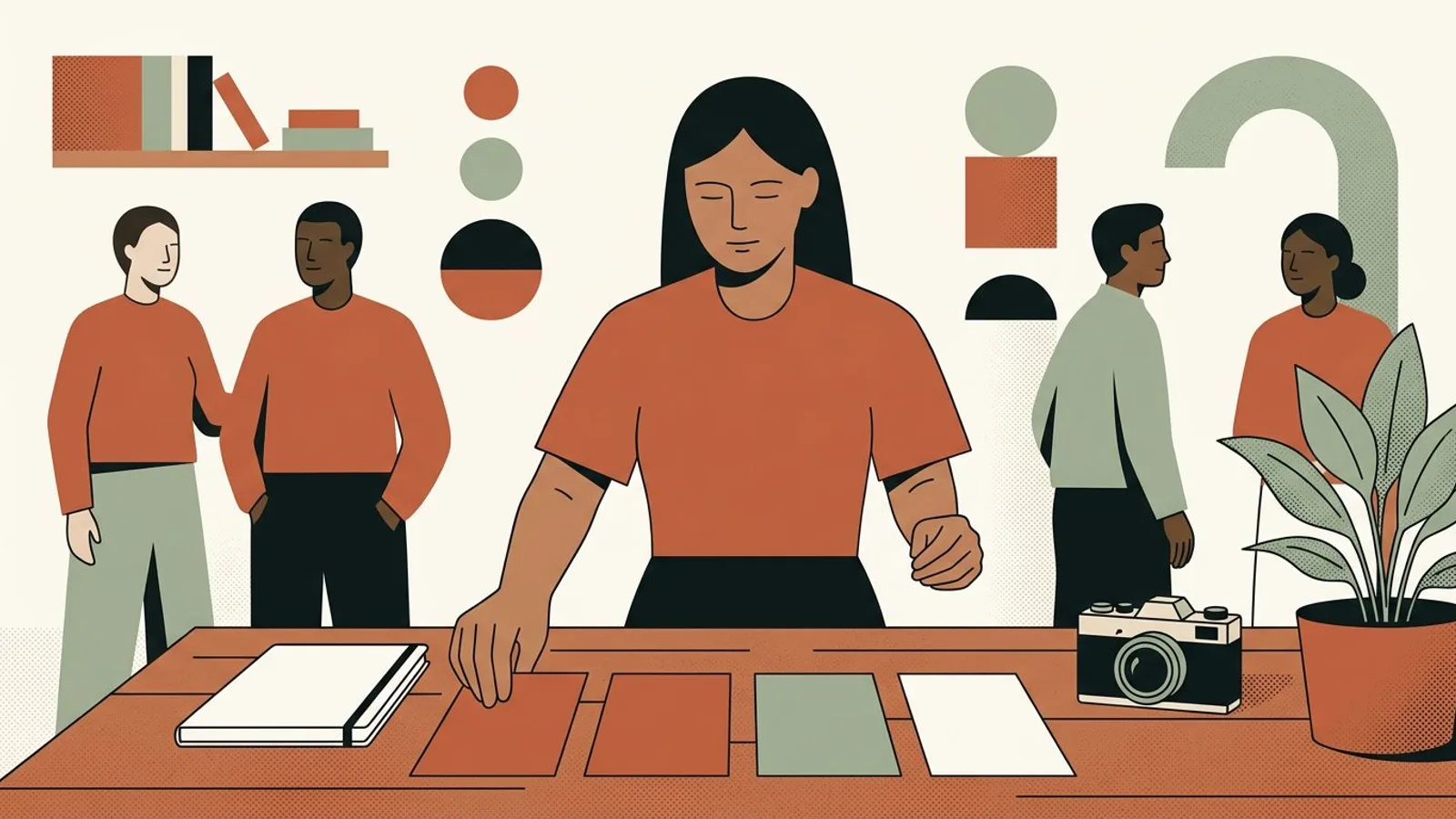
On LinkedIn as on Instagram, a prospect doesn't see your posts one by one: they take in your feed at a glance. Consistency — the same palette, the same way of placing text, the same grain — sends the "established expert" message long before anyone reads a line. Three posts that look alike beat ten that don't. This consistency isn't pieced together post by post: your style — colors, typography, visual signature — is set once, then carried over identically onto every visual and every network. Consistency of style does as much as consistency of cadence.
The test: blur your thumbnails. People should be able to guess it's you without reading the text. If every tile could belong to anyone, the unity is missing.
A single method pillar gets published in the right format for each network. On LinkedIn, your number-one channel, the visual stays restrained and legible when small, built for the professional feed. On Instagram, your second channel, it switches to the vertical format. Facebook extends the conversation, Pinterest archives your lasting visual cues, X gets to the point. The style itself doesn't move: same colors, same look, same signature — only the format adapts. Producing those versions by hand every week is unsustainable — and that's precisely the work the tool absorbs for you, from a single starting idea.
Always start from the LinkedIn format, then adapt outward. That's where most of your acquisition happens in this profession — the rest is an extension of it.
The style is yours — ReadyToPost builds the visuals.
ReadyToPost applies your visual world to every post and every network, no stock photos needed.
Generate my visualsDo
Don't

Situation
A leadership coach, working solo, publishes two or three posts a week on LinkedIn. Solid text, but bare: no visual, or a stock photo grabbed at the last second. Her feed looks less credible than those of peers who are actually less experienced, and she burns a lot of time hunting for "an image that fits."
Action
She sets an intention — "quiet authority" — and picks a single visual line: clean diagrams. She hands it over once as a reference, and all her posts adopt it: each of the four pillars of her method — stepping into a new role, alignment, her coaching sequence — becomes a different but instantly recognizable diagram, spun into a LinkedIn and an Instagram version, without supplying a single photo or drawing anything herself.
Outcome
Within three weeks, her feed has a recognizable signature: you can tell it's her before reading. Production time per post drops from fifteen minutes of image-hunting to a few minutes of fine-tuning. Above all, two prospects mention on discovery calls that her content "looked serious and buttoned-up" — the perception of authority she was aiming for, made visible without having photographed anything.
Your method can also read in a single diagram.
ReadyToPost turns your concepts into recognizable visuals, post after post.
An aesthetic visual with no intention says nothing about who you are. Stock libraries overflow with gorgeous, interchangeable photos — and that's exactly their flaw. A simpler visual aligned with your method and your intention works for you; a stunning but generic one melts you into the crowd. The criterion is never "do people like it," it's "does it say what I want them to remember."
Confidentiality often forbids naming or showing a person you've coached — and that's a gift, not a constraint. The real subject of your visuals was never the client: it's your way of thinking, your frame, your convictions. Representing the method rather than the person is not only safer, it's more powerful: it shows what you bring, independent of any one case.

The temptation, on a busy week, is to post "something quick" with whatever image. Three style slips are enough to break the signal you built so patiently. Better to adapt an existing concept than to improvise an off-brand visual. Consistency isn't an aesthetic luxury: it's the infrastructure of your visual credibility, and it's most worth keeping on the weeks you have the least time.
A method is set — still, you need time to put it to work. Readytopost frees that time by taking one front off your plate: your presence on the five social networks. Everything written, illustrated, scheduled — calibrated on your work, week after week. So your energy stays on the trade.
Start with ReadyToPostSee how these principles play out day to day. Practice for independent coaches gives you concrete, illustrated, adaptable levers — directly applicable the following week. No quarterly plans, no annual roadmaps: weekly gestures that touch something right away.
See it in practice
By starting from your method, not from a stock of images. What you sell — a stance, a step in a transformation, a conviction — is represented through a visual register you choose once: a clean diagram, a metaphor, a quote set as an image. You hand it over as a reference, and all your posts adopt it — ReadyToPost produces the visual in that same register, with no product photo required and nothing for you to compose. The absence of photos isn't a handicap: it's what forces you to show the essential, your way of thinking, rather than an interchangeable backdrop.
They get you by, but they drown you. The same handshakes, lightbulbs and mountain summits circulate across hundreds of coaches: a savvy prospect recognizes them, and they signal a lack of a world of your own. Worse, they say nothing specific about your method. A visual generated from your own concepts — even a simpler one — sets you apart and reinforces your positioning. The rule: if the image could illustrate any peer's post, it isn't working for you.
LinkedIn first — it's the dominant channel for you, where decision-makers, HR and qualified prospects are, and where authority is built best. Instagram comes second for emotion and visual regularity. Always design your visual for the LinkedIn feed first (restrained and legible), then adapt it for Instagram, Facebook, Pinterest and X. The same concept spins out across all your networks in a single, identical style; only the format changes, and that adaptation work is precisely what the tool absorbs for you.
A few weeks of regularity are enough to install a recognizable signature. Consistency builds by accumulation: as soon as three or four posts share the same palette, typography and grain, a prospect's eye starts to recognize you. The point isn't to produce it all at once, but to hold a single visual direction over time — which becomes simple when you draw from a brand style you've already set, rather than reinventing each time.
By shifting the subject from the client to the method. You show no name, no face, no named before-and-after: you represent the type of transformation your approach makes possible, as a metaphor or a diagram. "Here's how I move a leader from fog to decision" can be visualized as a threshold, a tipping point, a trajectory — without ever pointing to anyone. It's safer legally, and it's stronger commercially: it puts forward what you bring, independent of any particular case.
Build a coach-specific Instagram plan that turns one clear offer into a coherent week of useful, credible posts and invitations.
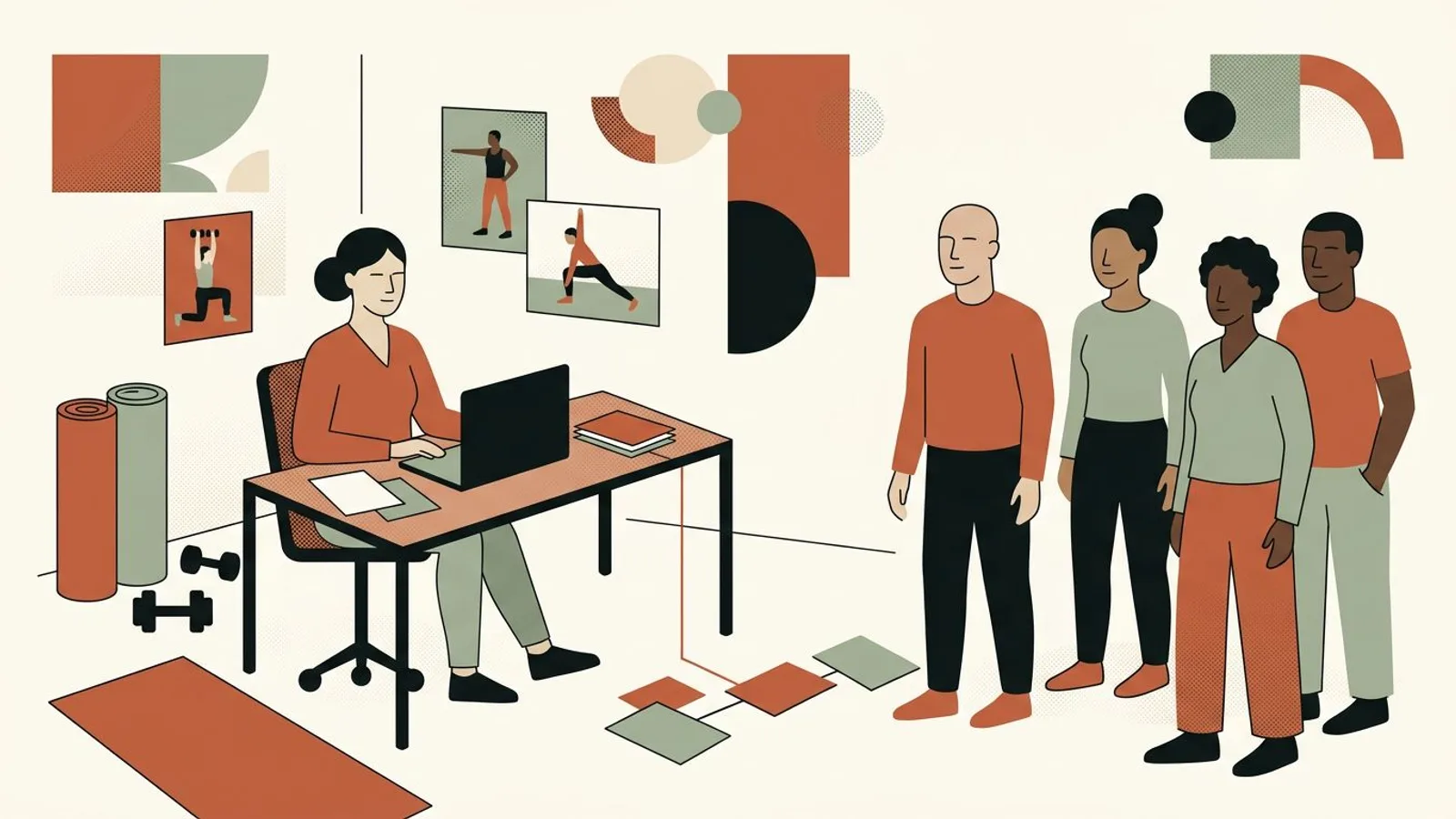
Build a visible path from one specific client problem to a clear remote offer, grounded proof content, and one simple intake action, then review it weekly.

You do not need an audience to sign your first coaching clients. You need one clear sentence, an activated first circle, and just enough public proof. Here is the five-step method.
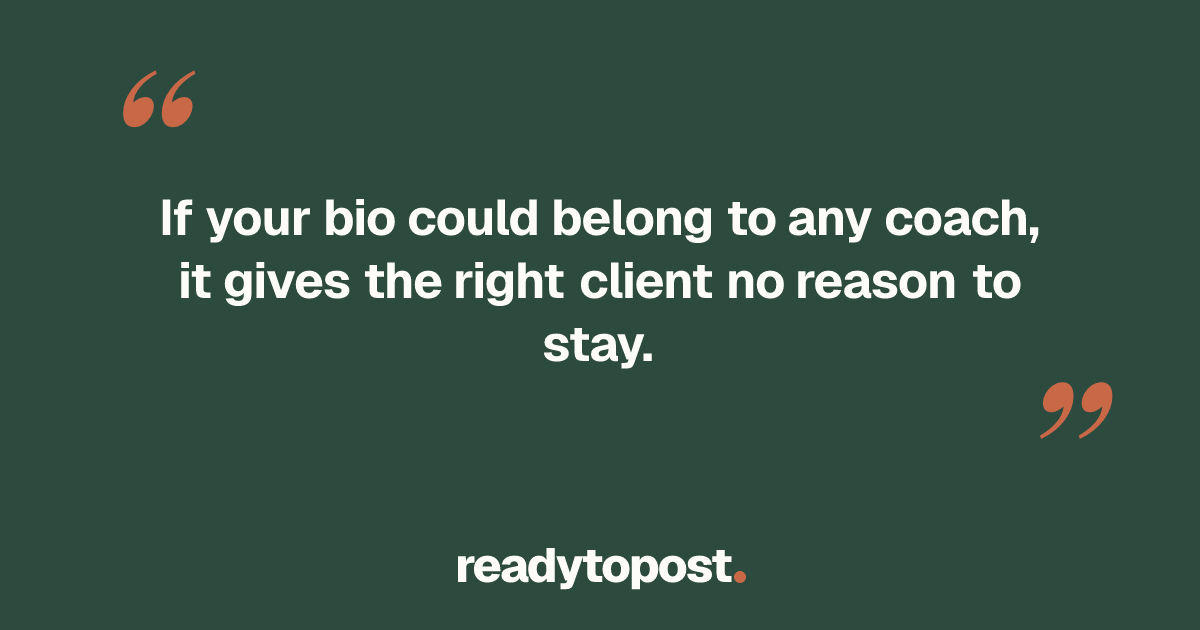
Most coach bios promise a transformation but hide the method. Use one client, one change and one observable way of coaching to make yours specific.
Nine notes from a year of watching coach accounts on Instagram: the posts that book discovery calls, the ones that only collect saves from other coaches, and what to publish the week nothing happened.
A fitness coach answers 8 to 12 post-worthy client questions a week, out loud, and loses them. This walkthrough turns one logged week into a month of posts.
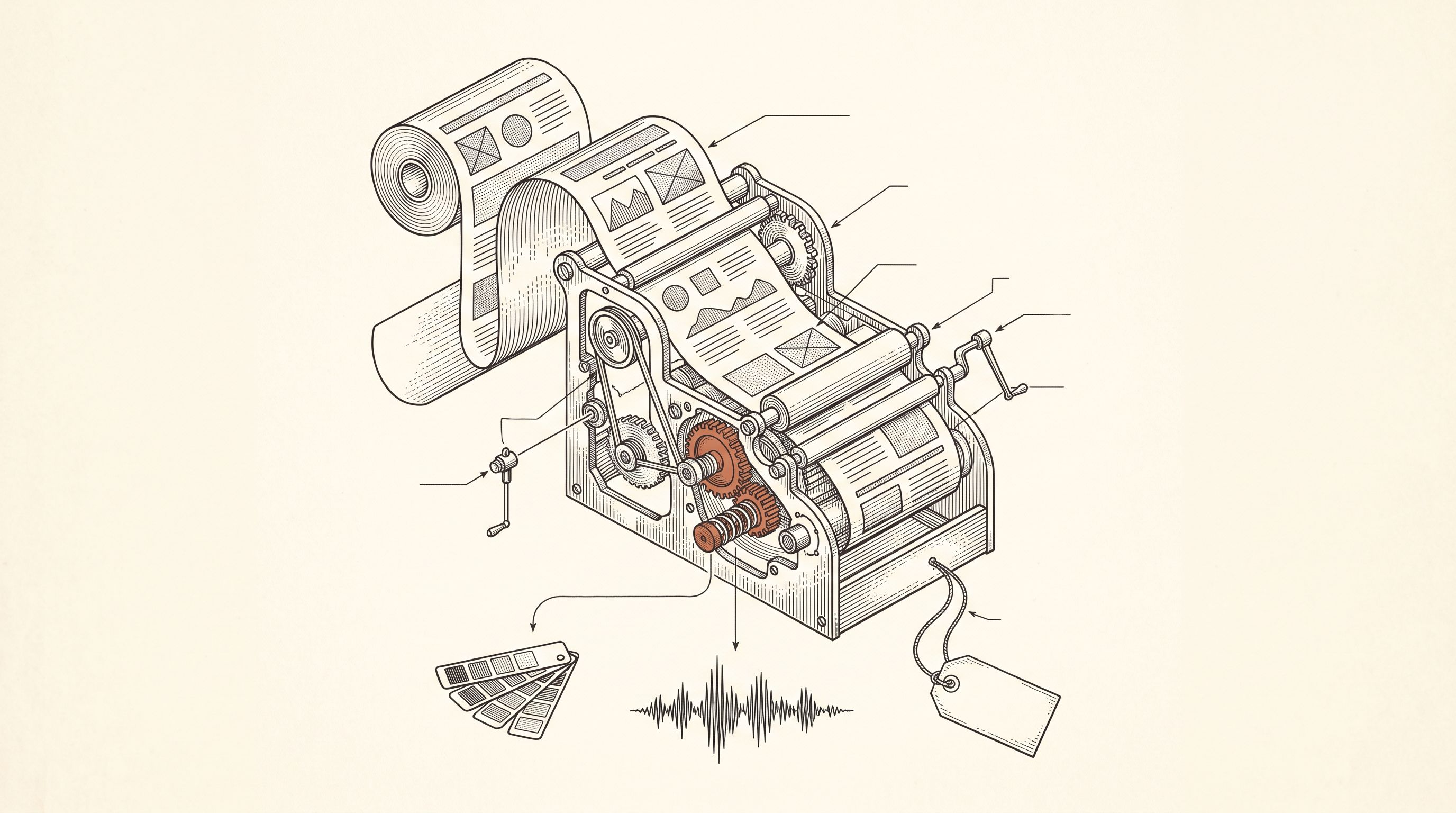
From a single website URL, ReadyToPost builds your brand profile and starts generating on-brand posts — no manual brief to fill.
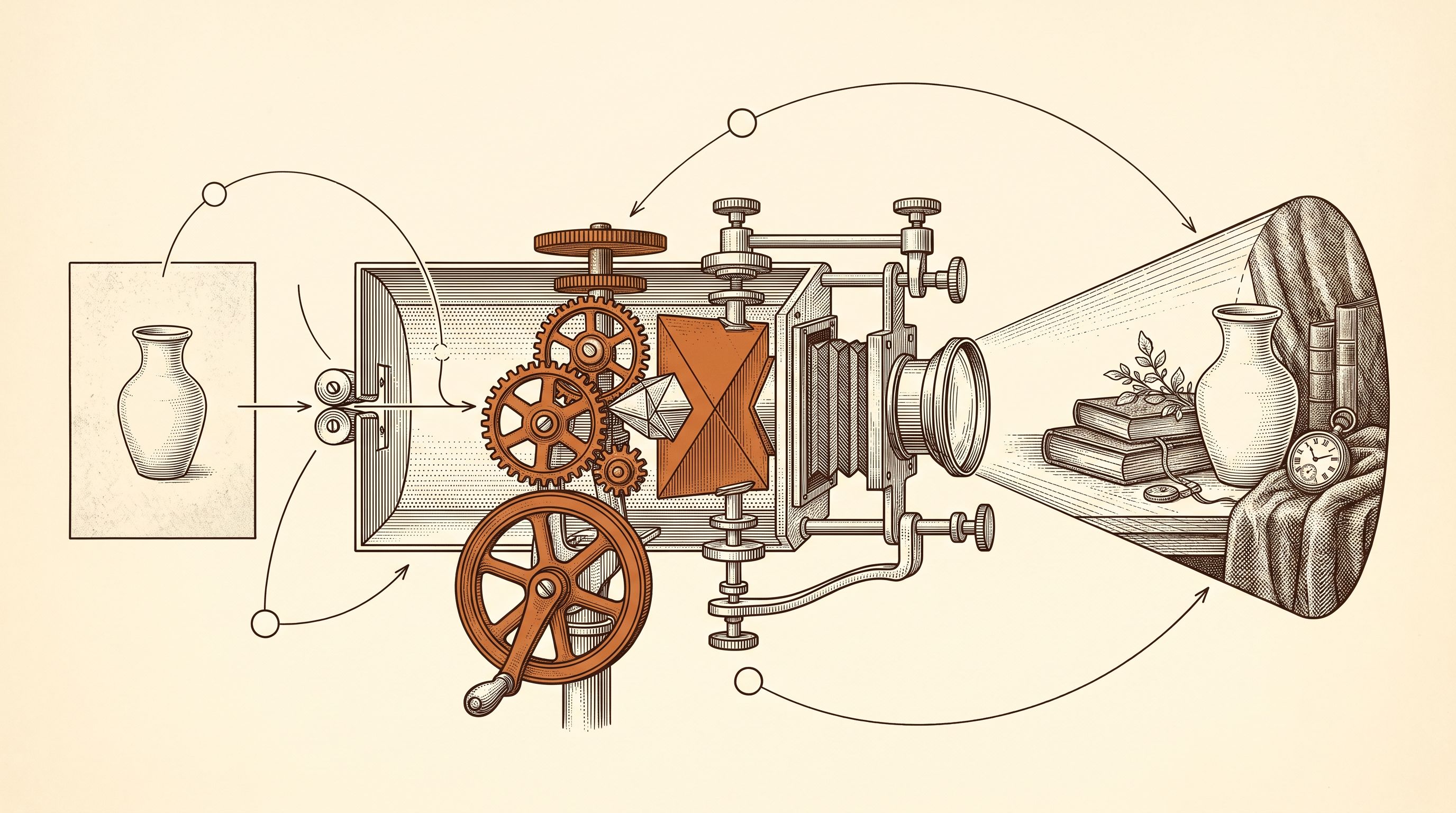
Create AI product images and social media visuals from your photos or from scratch. ReadyToPost applies your brand style in the right format for each network.
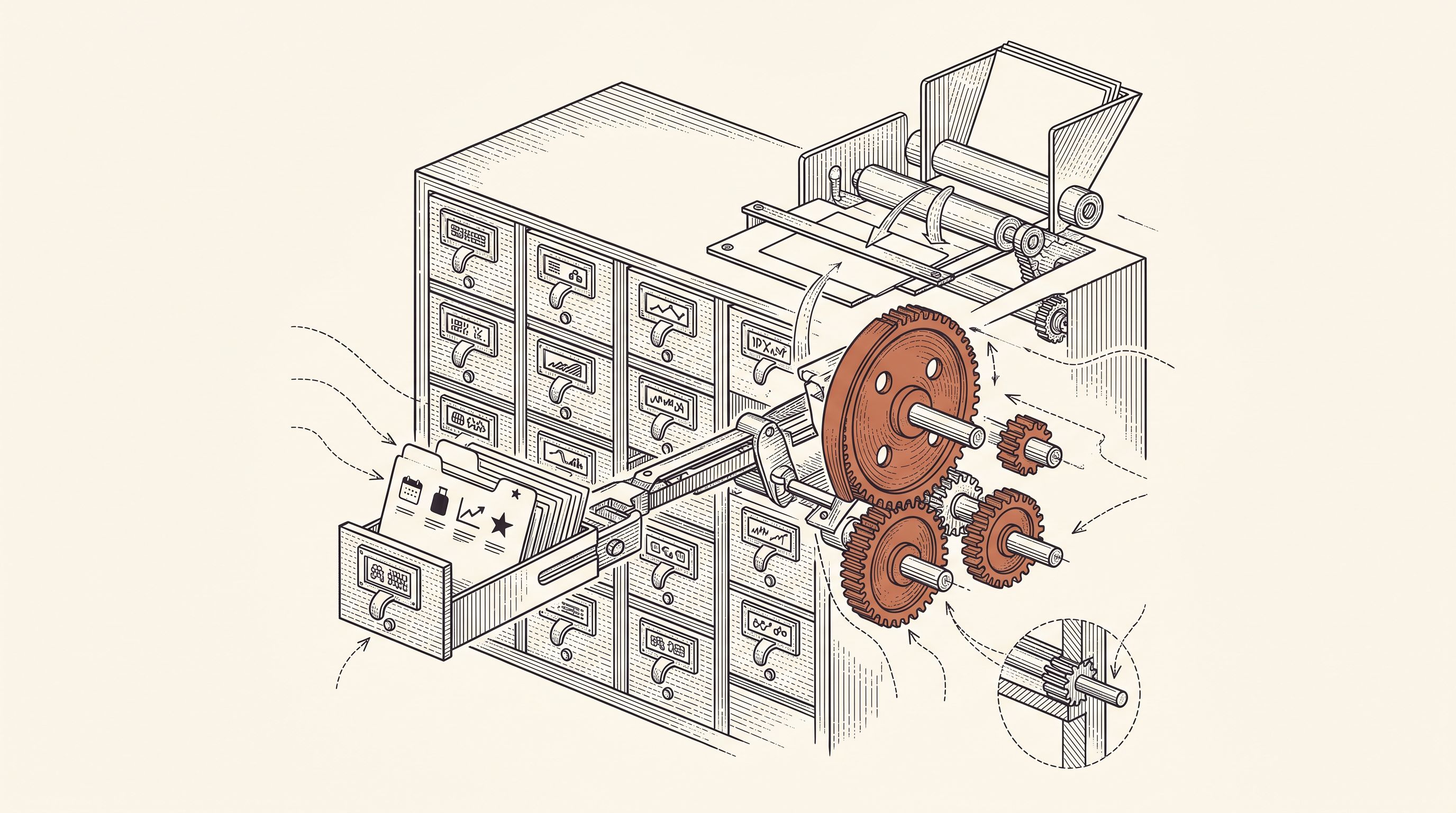
A semantic memory of your brand's real facts, so every post cites what you actually do and have.
Generate on-brand Instagram posts where the 4:5 feed visual and the caption are built together — a scroll-stopping hook, breathable paragraphs, and full-word hashtags grouped at the end, scheduled and ready to publish.
ReadyToPost prepares LinkedIn posts in your voice every week. Review and approve your content, then publish to your profile or company page on schedule.
ReadyToPost prepares Facebook images and posts in your voice every week. Review and approve them, then schedule publication to your Facebook Page.
You hold the principles. Readytopost takes the communication off your plate, every week — so your method stays your method.
Monthly plansReady in minutesCancel in one click