Instagram Marketing Plan for Coaches: A Weekly System
Build a coach-specific Instagram plan that turns one clear offer into a coherent week of useful, credible posts and invitations.
You don't apologize for going quiet. You start saying something that matters again.

An audience isn't lost over a few weeks of silence — it just goes dormant. Rewarming it doesn't mean starting over; it means posting, in the right order, what reminds people why they followed you in the first place.

What if coming back required no apology at all?
ReadyToPost writes your comeback sequence from a conviction, never a mea culpa.
Come back, no apologyThe first post of the comeback isn't about you or your absence — it's about what you believe. Not "I haven't posted in a while," but a sharp claim about your craft: something you see in every session that nobody says out loud. The audience doesn't remember how long you were gone; it reacts to what you assert today. A post that opens on a strong conviction erases the silence by default — it shifts attention from your consistency to your value.
If you feel the urge to justify yourself, write the justification in a draft, then delete it before posting. That need was for you, not for the audience.
The second post asks a question your target genuinely wants to answer — not a throwaway "what do you think?" at the end, but a question that hits a friction point they actually live. A leadership coach asks which manager behavior they find hardest to call out. The answers are the connection restarting: every comment reopens a door, and every reply you send in private rewarms a cooled prospect without looking like a sales pitch.
Reply to every comment within the hour for the first two days. The algorithm and the commenter both read your presence — a thread where the author answers fast comes back to life twice as quickly.

The third post reestablishes authority. Since you can't name a client or show a before/after, the proof comes from elsewhere: one principle of your method broken down, a tired myth in your field corrected, a mini-exercise the reader can try alone tonight. That's proof by demonstration — you don't say you're good, you show it by being useful for free. It's exactly what ReadyToPost knows how to turn into an image when there's no photo at all: a clean, on-brand visual generated from the text of your principle alone.
The fourth post — and only this one — invites action. Not "book a call," but a door that's named and limited: "this week I'm taking three 20-minute conversations with leaders who feel their team starting to drift." The precision (who, what, how many, when) is the whole difference between a lukewarm invitation that gets ignored and a slot that gets booked. You haven't sold — you've reminded people what you make possible, at a moment when the audience is paying attention again because the three previous posts relit the connection.
The conviction is yours — ReadyToPost runs the sequence.
ReadyToPost writes and publishes your rewarming sequence across every network, visuals included.
Write my sequenceDo
Don't

Situation
A career-transition coach has a LinkedIn feed of 2,800 followers built over two years, but she hasn't posted in seven weeks — one intensive engagement absorbed all her time. Her last posts top out at 300 views, her discovery-call pipeline is empty, and every attempt to return starts with an apology draft she never dares to publish.
Action
She drops the mea culpa idea and launches a four-post sequence over ten days. Monday, a conviction: "Most people don't quit a job, they quit a manager — and knowing that changes the entire exit strategy." Wednesday, a question: "What was the exact signal that told you it was time to leave?" Friday, a method principle turned into a visual generated from the text. The following Monday, a door: three 20-minute conversations open this week for anyone hesitating to make a move.
Outcome
The conviction post passes 1,900 views and triggers eleven comments, three of them from former warm prospects. Wednesday's question draws twenty-two replies, each one opening a private exchange. On the "door" post, all three slots are booked within two days, including one by someone who had commented on the question two days earlier. No apology was ever posted — and not a single person mentioned the seven weeks of silence.
Your lukewarm prospects can answer a simple question.
ReadyToPost holds your post sequence, from the first signal to the door you open.
The audience didn't keep a tally of your weeks away — it simply stopped thinking about you. An apology post wakes attention up about the gap instead of the value, and puts you in a low position from the first line. Nobody follows a coach for their posting consistency; they follow for what the coach thinks. Come back as if nothing happened: the best apology is a useful post.
The longer the silence runs, the higher the bar you set to break it — and the higher it climbs, the less you post. It's a loop that feeds itself. A decent post published today beats a brilliant one never published. The comeback is won on movement, not on the masterpiece: it's the second, third and fourth post that build the momentum, not the perfection of the first.

A cooled audience treated like a warm one closes up at once. Opening the comeback with an offer means asking for commitment from people who had already stopped thinking about you. The sequence exists for exactly this: three posts that make people want to listen again before the single post that proposes anything. Reverse the order and you burn off the little warmth that was left.
Pulling these levers every week is already a discipline. Adding communication on five social networks is another — and the one that gets sacrificed first. Readytopost takes the second one off your plate: posts, images, scheduling, calibrated on your work. So the first one keeps all your attention.
Start with ReadyToPostBack to the overview for independent coaches to browse all guides — diagnosis, method, practice — in whichever order fits. Three floors that complement each other: one to understand, one to think, one to act. You go in where it pinches most today, and come back when a new question shows up. No required order.
Back to the overview
Count the length of the sequence itself: seven to ten days for the four posts, with a visible effect from the first one if you open on a strong conviction. The connection relights fast because it never disappeared, only went dormant — your followers already chose you once. What takes longer is rebuilding consistency afterward: the sequence reopens the conversation, but it's the rhythm that follows that keeps it from cooling again. After that, aim for two to three posts a week, without waiting for inspiration.
Yes, even half a sentence. The moment you name the silence, you shift attention from what you're saying to what you didn't do — and you open in a low position. The audience doesn't keep count of your weeks away; it reacts to the value of what you post now. If the urge to justify yourself is strong, that's a signal it's addressed to you, not to your target. The only comeback that works is the one that behaves as if the conversation had never been interrupted.
LinkedIn first: it's the number-one channel for an independent coach, the place where your qualified prospects are in a professional mindset and where a well-framed conviction travels. Instagram comes second, ideal for repurposing the strongest posts into a visual format and into stories. ReadyToPost generates those variations — text and visual — for each network from the same core idea, without you rewriting everything or supplying a single photo.
That's normal and expected: the sequence is built for it. A dormant feed restarts slowly, and the algorithm tests your first posts on a small slice of your audience before widening. That's precisely why the comeback runs across several posts and not just one: each publication wakes the network up a little more, and the door post arrives when attention has returned. Replying fast to the first comments speeds up that wake-up. Never judge the comeback on the first post — judge it on the fourth.
You don't follow up directly — you let them surface. The question post is the tool: when a former prospect comments, you reply in public, then continue in private in a conversational tone, never a selling one. "Your answer made me think of something, let me share it" beats "so, still interested?" ten times over. The sequence creates the openings to reconnect; it's on you to take the ones that open, without forcing the ones that stay quiet.
Build a coach-specific Instagram plan that turns one clear offer into a coherent week of useful, credible posts and invitations.
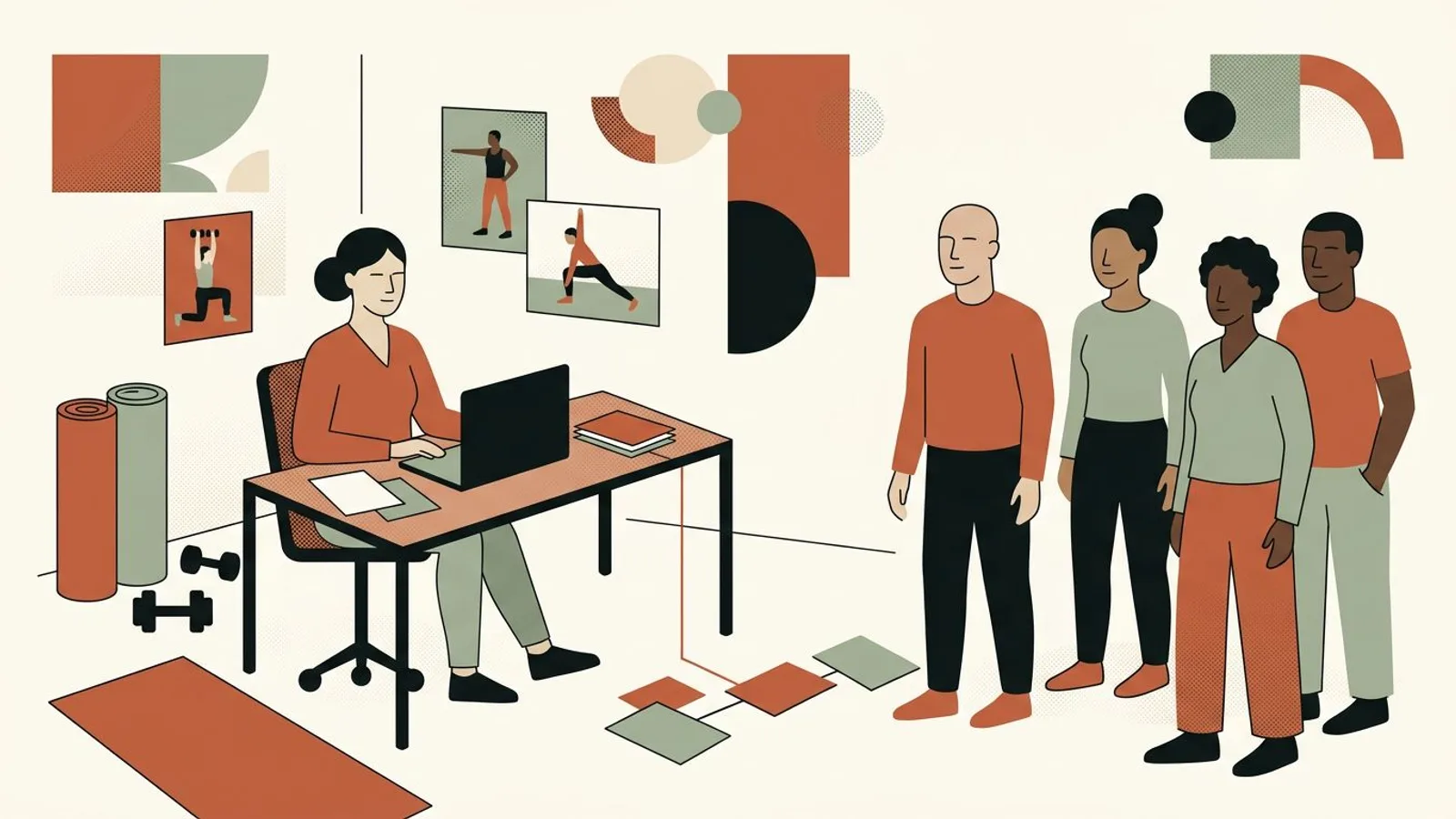
Build a visible path from one specific client problem to a clear remote offer, grounded proof content, and one simple intake action, then review it weekly.

You do not need an audience to sign your first coaching clients. You need one clear sentence, an activated first circle, and just enough public proof. Here is the five-step method.
Most coach bios promise a transformation but hide the method. Use one client, one change and one observable way of coaching to make yours specific.
Nine notes from a year of watching coach accounts on Instagram: the posts that book discovery calls, the ones that only collect saves from other coaches, and what to publish the week nothing happened.
A fitness coach answers 8 to 12 post-worthy client questions a week, out loud, and loses them. This walkthrough turns one logged week into a month of posts.
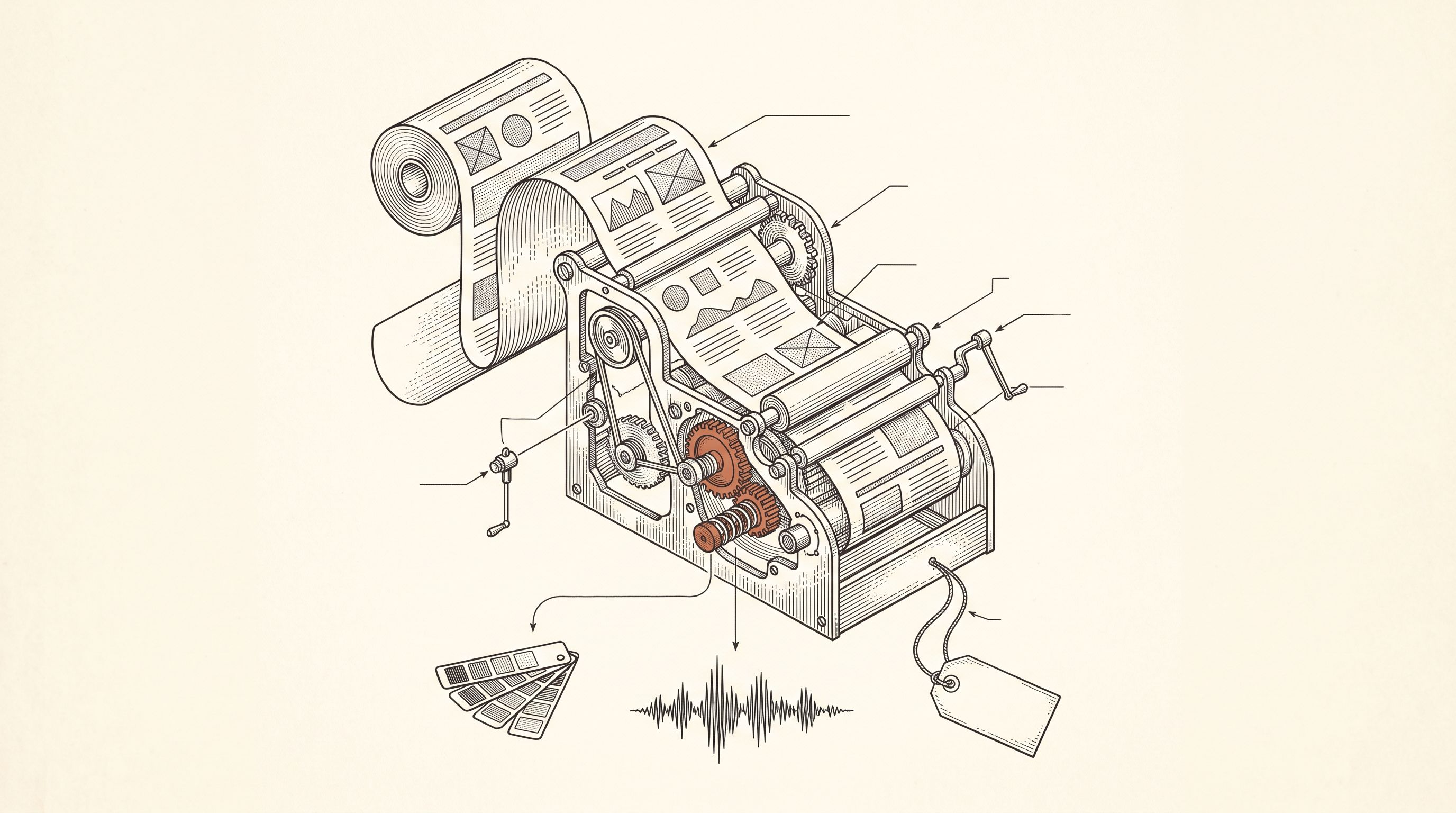
From a single website URL, ReadyToPost builds your brand profile and starts generating on-brand posts — no manual brief to fill.
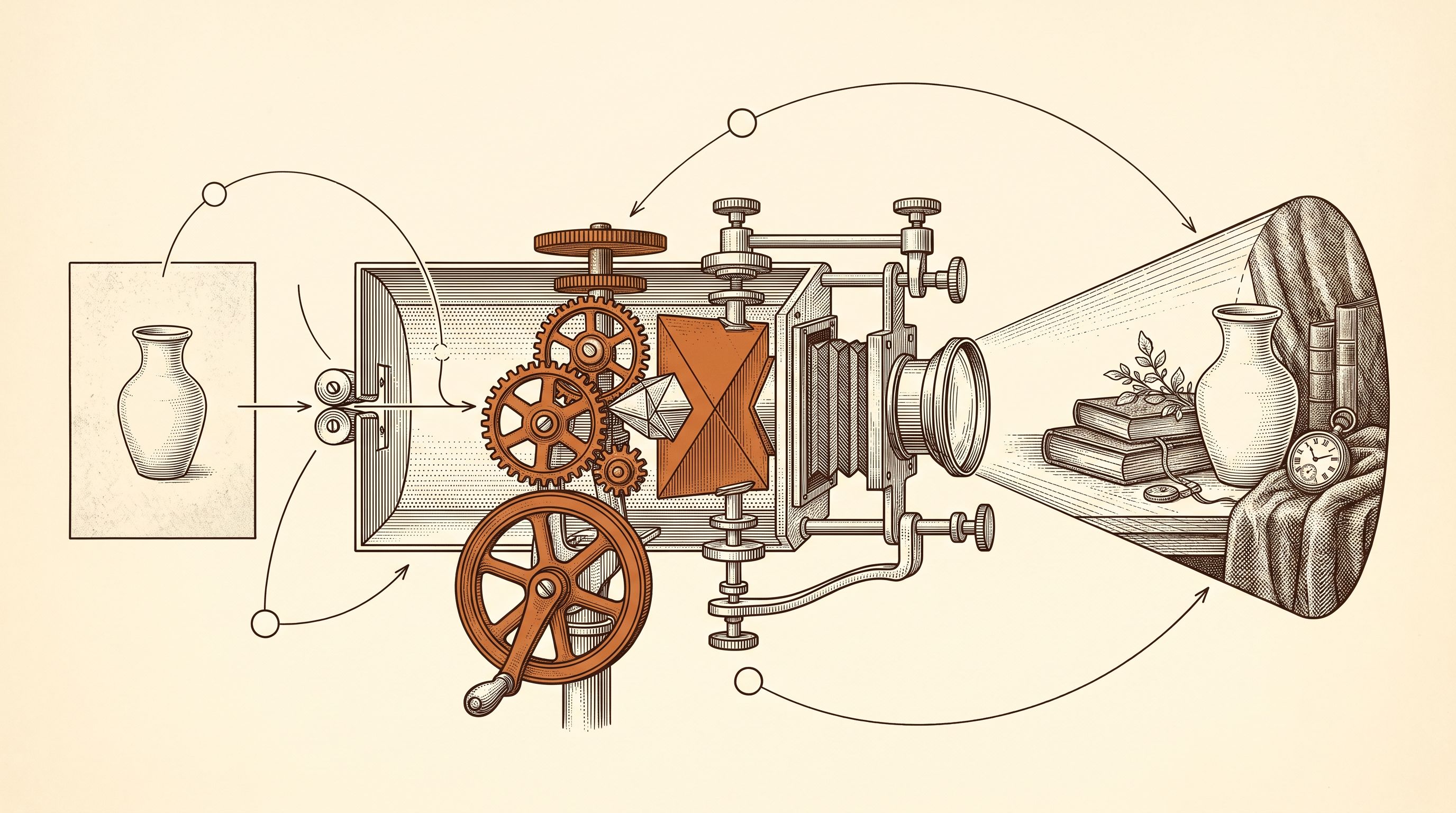
Create AI product images and social media visuals from your photos or from scratch. ReadyToPost applies your brand style in the right format for each network.
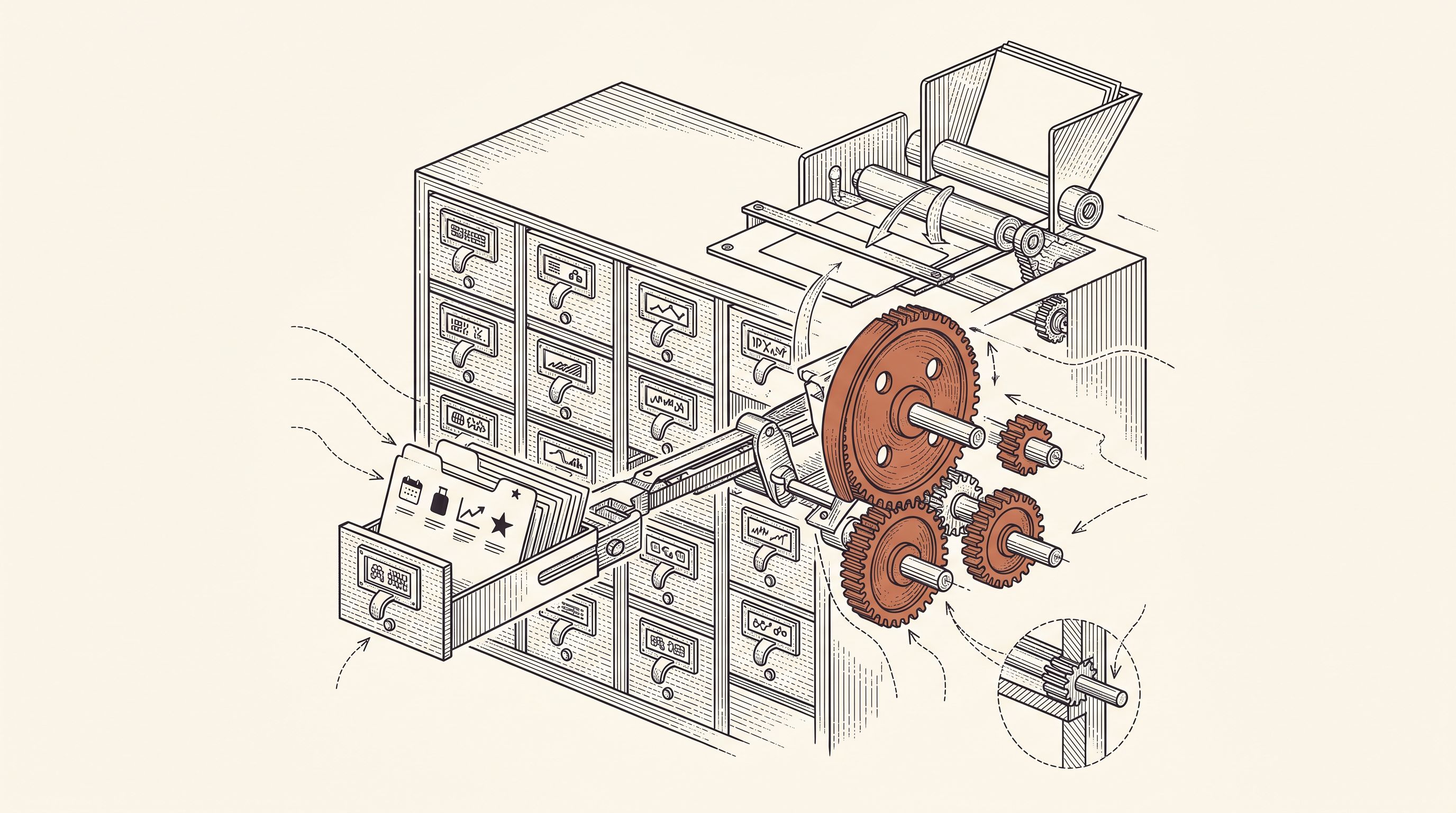
A semantic memory of your brand's real facts, so every post cites what you actually do and have.
Generate on-brand Instagram posts where the 4:5 feed visual and the caption are built together — a scroll-stopping hook, breathable paragraphs, and full-word hashtags grouped at the end, scheduled and ready to publish.
ReadyToPost prepares LinkedIn posts in your voice every week. Review and approve your content, then publish to your profile or company page on schedule.
ReadyToPost prepares Facebook images and posts in your voice every week. Review and approve them, then schedule publication to your Facebook Page.
You know what to pull each week. Readytopost takes care of the consistency of your communication — your energy stays on the floor.
Monthly plansReady in minutesCancel in one click