Instagram Marketing Plan for Coaches: A Weekly System
Build a coach-specific Instagram plan that turns one clear offer into a coherent week of useful, credible posts and invitations.
Your audience doesn't care about the client's story. They care about the pattern the session reveals.

You spend an hour with someone and walk out with three ideas worth a thousand times more than what you actually post. Then the week rolls on, and the material evaporates with it.

What if Monday’s idea still held up on Friday?
ReadyToPost captures the principle from your session and writes it into posts before it fades.
Catch my insightWhat makes a session valuable fades within hours in your memory. Right after you finish — not that evening, not the next day — jot down three raw things: the question the person asked out loud, the moment something shifted, and the principle you named to make sense of it. Three lines, not a report. You never write down who, never anything specific about their life: you write down the mechanism. "She was stuck on delegating because she confused control with responsibility" exposes no one — it's an idea, not an identity.
A thirty-second voice note on your phone beats a tidy file you'll never fill in. Speaking keeps the phrasing alive — that's what you want, not the summary.
Anonymizing isn't blurring out a first name. It means changing levels. As long as you're telling a story, you risk making someone recognizable — by their industry, their situation, a telltale detail. The moment you talk about the general pattern the session revealed, the risk vanishes and the interest rises: your audience never recognizes itself in one specific person, it recognizes itself in a mechanism. The test: if the person you coached read the post, would they feel exposed or simply understood? Always aim for "understood."
Never write "one of my clients." Write "a lot of the leaders I work with" or "I often see." The plural and the present tense erase the individual and build authority.

The principle you extracted isn't a post, it's raw material. The same breakthrough — "confusing control with responsibility" — gives you: on LinkedIn, a reflective post that lays out the mechanism and what it costs (your number-one network, where your prospect goes looking for an expert); on Instagram, a visual card that isolates the standout line; on Facebook, an open question that restarts the conversation; on Pinterest, a reference visual people pin; on X, the sharpest one-line version. One source, five outputs — each in its network's tone, none of them a copy-paste of the others.
Always start with LinkedIn, then step down to the others. That's where credibility is won in this profession; the rest extends the signal.
A coach has no product and no before/after to show. The trap is posting bare text or yet another stock office photo. A mechanism can be made visible another way: through a graphic metaphor, an editorial layout that isolates the standout line, an image that fits your world. That's exactly what ReadyToPost generates — no session photo, no face, just a visual built to make an idea tangible and recognizable week after week.
Keep a stable visual signature from one post to the next. A consistent style does more for trust than one spectacular standalone image.
Material caught on Monday is useless if it stays in a note. Once the angles are set and the visuals generated, lock the outputs across the week: LinkedIn as the pivot three times, the other networks around it. The groundwork — reading the session, extracting, anonymizing — takes twenty minutes. The variations and scheduling, a few minutes more. You haven't published more by sacrificing your evenings: you've turned one hour of session into a week of presence.
Block the same slot every week for this ritual. A coach's consistency is built by the system, never by the impulse.
The insight is yours — ReadyToPost makes it a week.
ReadyToPost turns a session mechanism into posts for every network, visuals included.
Spin off my insightDo
Don't

Situation
A leadership coach works with five or six executives every week. She comes out brimming with ideas but posts almost nothing: she won't talk about her clients, and the generic theory she publishes instead never takes off on LinkedIn.
Action
For one week, she tries the ritual. After each session, a thirty-second voice note: the question asked, the moment of shift, the principle. The following Monday, she replays her notes and isolates a single strong mechanism — "we delegate badly when we confuse control with responsibility." She lifts it to the level of the principle, in the present and the plural, never naming or describing anyone. Then she spins it: a reflective LinkedIn post as the pivot, an Instagram visual card isolating the line, an open question on Facebook, a Pinterest reference visual, a sharp one-liner on X. The visuals, she doesn't photograph — she has them generated from the idea, in a stable style.
Outcome
In one week, she went from zero to five coherent posts, without exposing a single client. The LinkedIn post drew comments from executives who recognized themselves in the mechanism — not in a person. Above all, she kept it up: the next week she already had her material, because the ritual produced the content instead of waiting on it.
Your mechanism can speak without ever naming anyone.
ReadyToPost builds your session into a principle and dresses it in a visual, confidence intact.
Dropping the name isn't enough. A specific industry, a team size, a singular situation, and the person becomes recognizable to those who know them — sometimes to themselves, who then feel exposed. The only safe anonymization is vertical: you climb from the individual to the mechanism. Good content never tells who was in the room; it reveals what the moment taught it.
Spinning across five networks doesn't mean pasting the same text five times. A straight copy-paste tires the audience that follows you on two channels and signals lazy automation. One source, yes — but five angles, five tones, five outputs designed for their network. LinkedIn reflects, Instagram condenses, X cuts. The mechanism stays, the dressing changes.
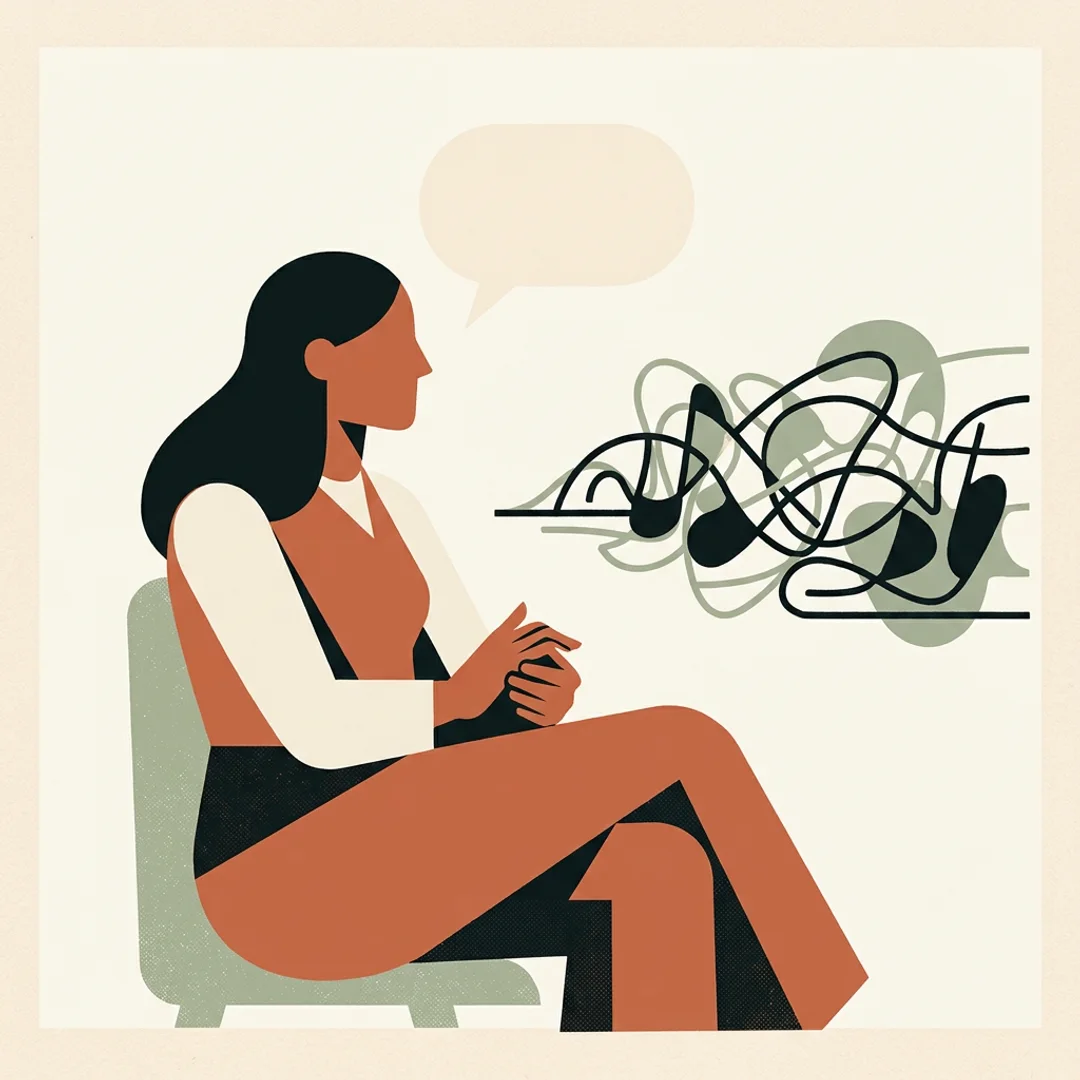
There's no such thing as an ordinary session, only mechanisms not yet seen. The coach who waits for the spectacular client never posts; the one who catches the small everyday breakthrough builds a steady presence. Consistency beats the exceptional: your prospect needs to see you think often, not see you shine once.
Pulling these levers every week is already a discipline. Adding communication on five social networks is another — and the one that gets sacrificed first. Readytopost takes the second one off your plate: posts, images, scheduling, calibrated on your work. So the first one keeps all your attention.
Start with ReadyToPostBack to the overview for independent coaches to browse all guides — diagnosis, method, practice — in whichever order fits. Three floors that complement each other: one to understand, one to think, one to act. You go in where it pinches most today, and come back when a new question shows up. No required order.
Back to the overview
Not if you talk about the mechanism and never the person. Confidentiality protects a client's identity and story, not the principles of your craft. Saying "I often see leaders confuse control with responsibility" exposes no one: it's a general observation, like a doctor describing a common symptom without naming a patient. The safety rule: if a single person in your audience could identify who's behind the post, you haven't climbed high enough into generality. Climb further, until the post speaks to many and points to no one.
By starting from the mechanism, not the text. Copy-paste shows; a true spin doesn't. LinkedIn, your main channel, carries the reflective version: you lay out the mechanism, what it costs, what it opens up. Instagram isolates the strongest line on a visual. Facebook turns it into an open question to restart the conversation. Pinterest makes it a reference people pin. X keeps the sharpest one-line version. Same idea, five writings — that variation is what amplifies the signal instead of diluting it.
That's exactly the situation of every coach: you sell the intangible, there's nothing to photograph. The answer isn't the stock office photo or bare text. A mechanism can be made visible through a graphic metaphor, an editorial layout that highlights the line, a visual that fits your world. ReadyToPost generates these visuals — from the idea itself, with no product photo and no person. You get an image built for the post, in a stable style that becomes recognizable week after week.
The groundwork — rereading the session note, extracting a mechanism, lifting it into a principle — takes about twenty minutes. Spinning it across the five networks and generating the visuals take a few minutes more once the system is in place. The costly mistake isn't production time: it's failing to catch the material hot, then having to reinvent everything on Friday in front of a blank page. The quick ritual upfront makes the week of content almost automatic.
That's the most common doubt, and almost always wrong. You're too close to your own expertise to see that a client's ordinary breakthrough is a revelation to your audience. The goal isn't to recount a spectacular transformation — it's to make visible a mechanism you see all the time, and that your prospect is just discovering. Catch the small principle in every session rather than waiting for the extraordinary client: it's consistency that builds authority, not the exception.
Build a coach-specific Instagram plan that turns one clear offer into a coherent week of useful, credible posts and invitations.
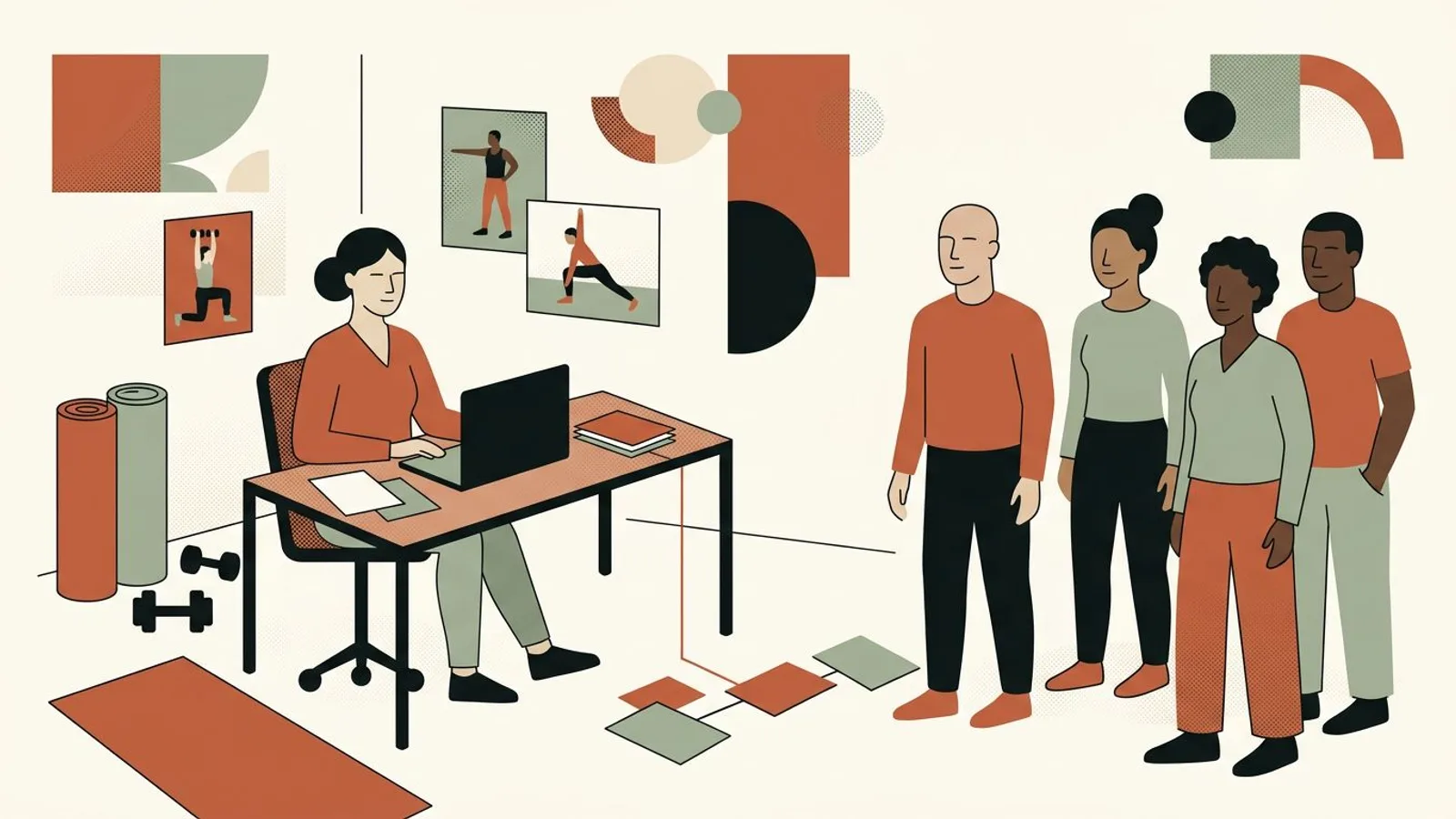
Build a visible path from one specific client problem to a clear remote offer, grounded proof content, and one simple intake action, then review it weekly.

You do not need an audience to sign your first coaching clients. You need one clear sentence, an activated first circle, and just enough public proof. Here is the five-step method.
A fitness coach answers 8 to 12 post-worthy client questions a week, out loud, and loses them. This walkthrough turns one logged week into a month of posts.
Cover the names on five life coach websites and you cannot tell them apart. That is a client problem, not a branding one. Here is what to publish so a stranger can choose you.
Most coach bios promise a transformation but hide the method. Use one client, one change and one observable way of coaching to make yours specific.
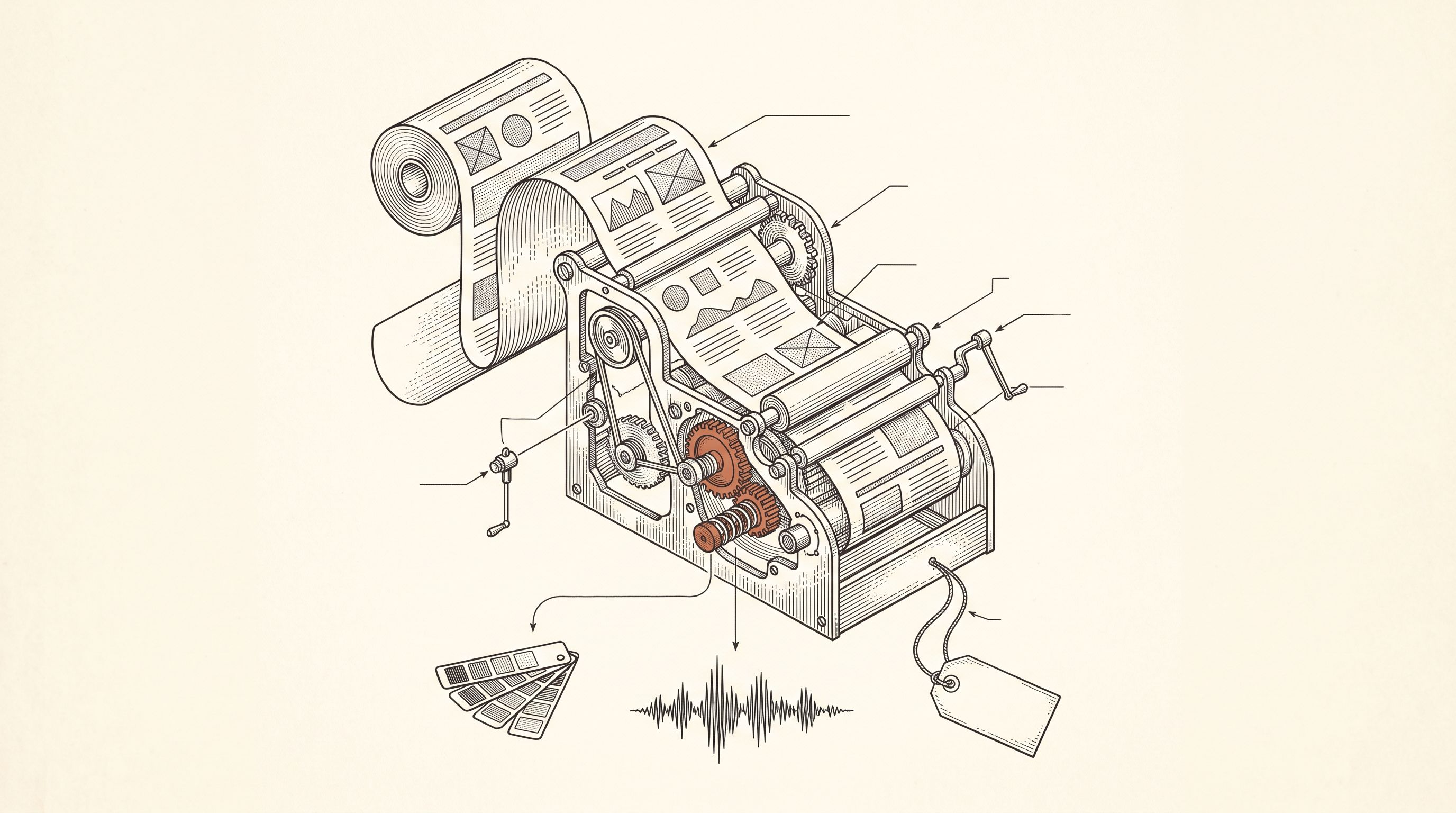
From a single website URL, ReadyToPost builds your brand profile and starts generating on-brand posts — no manual brief to fill.
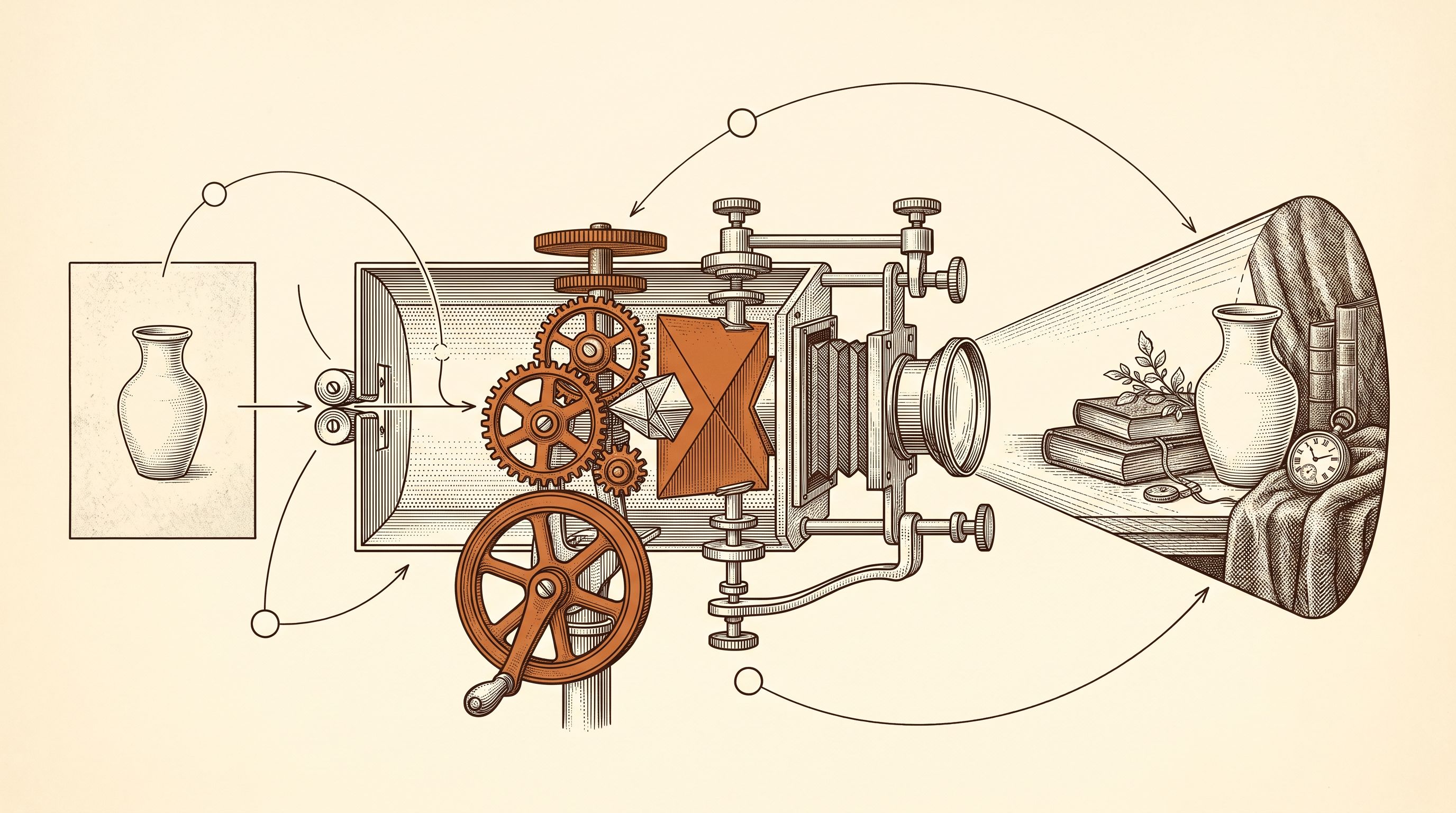
Create AI product images and social media visuals from your photos or from scratch. ReadyToPost applies your brand style in the right format for each network.
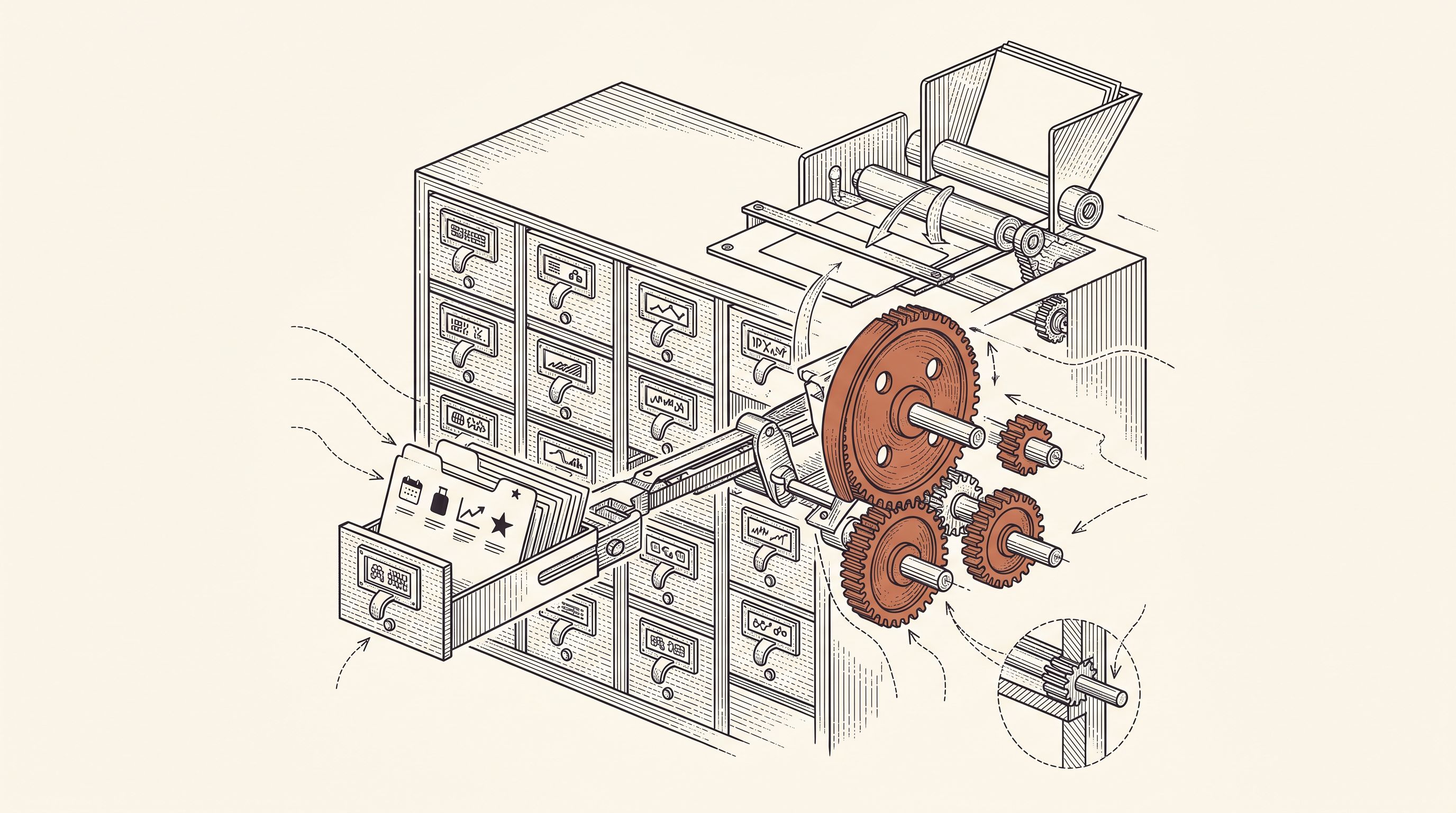
A semantic memory of your brand's real facts, so every post cites what you actually do and have.
Generate on-brand Instagram posts where the 4:5 feed visual and the caption are built together — a scroll-stopping hook, breathable paragraphs, and full-word hashtags grouped at the end, scheduled and ready to publish.
ReadyToPost prepares LinkedIn posts in your voice every week. Review and approve your content, then publish to your profile or company page on schedule.
ReadyToPost prepares Facebook images and posts in your voice every week. Review and approve them, then schedule publication to your Facebook Page.
You know what to pull each week. Readytopost takes care of the consistency of your communication — your energy stays on the floor.
Monthly plansReady in minutesCancel in one click