Instagram Marketing Plan for Coaches: A Weekly System
Build a coach-specific Instagram plan that turns one clear offer into a coherent week of useful, credible posts and invitations.
It isn't talent that fills an editorial calendar. It's a mechanism that no longer asks you to decide what to post.

A coach doesn't last over time because they have more ideas than everyone else — they last because they've stopped depending on their ideas. The system replaces inspiration with a mechanism.

What if your calendar filled without you?
ReadyToPost offers you themes every week and turns your expertise into regular posts, no photos required.
Stop hunting for ideasThe blank-page block comes from the wrong question: "what do I talk about today?" is impossible to answer cold. The system flips the problem: you no longer start from an empty page, but from a list of themes already rooted in your expertise — the same expertise you chose to position around. Each week, ReadyToPost suggests themes drawn from your material — your method, your convictions, the breakthroughs you observe in your sessions, the way you think about your work. You no longer hunt for a topic: you scan what's offered to you, you set aside what doesn't sound like you, and you keep what rings true. The material comes to you; all you have to do is decide.
Don't keep every theme suggested: hold on to the ones that fit your positioning, and drop the rest without hesitation. A good theme is the one you wish you'd thought to write yourself.
Consistency beats volume. Three posts a week held for six months build a presence; seven posts for two weeks followed by silence build nothing. Pick a cadence you'll keep even the week an engagement overflows — for most solo coaches, that's two to three LinkedIn posts a week, one or two on Instagram, the rest mirrored. Then block those slots in your calendar exactly as you would a discovery call: non-negotiable. The content that's first to go when you're swamped is precisely the content that keeps you from running short of prospects three months from now.
Aim for the cadence you'll keep on your worst week, not your best. A system is judged on the hard weeks, never on the good ones.

Deciding what to post every day means paying the mental cost of the blank page five times a week. Producing in batches means paying it once. Once a week, take forty minutes: you scan the themes you're offered, you choose your angles for the week, and you let the tool write the texts and generate the visuals from your expertise — with no photos to supply. You proofread, adjust the tone, approve. The week is done. The rest of the time, you coach, you prospect, you live — without feeling guilty about not having posted.
Schedule the production session on the day you have the fewest sessions. It's heads-down thinking work, not something to squeeze in between two clients while exhausted.
A system is steered by a single metric at the start: did you hold your cadence this week, yes or no? Not the likes, not the reach — the holding. As long as consistency isn't locked in, watching engagement stats only discourages you on too small a sample. Once the cadence is established over two months, you look at which angles trigger the most private messages and booked calls — not likes, conversations. And you adjust a single parameter at a time: one notch more on the kind of angle that converts, never a full overhaul that would break the habit you've only just built.
Keep a simple two-column table: week / cadence held yes-no. Six boxes ticked in a row are worth more than any isolated spike in likes.
You set the cadence, ReadyToPost produces every week.
You pick the angle each Monday, ReadyToPost writes the copy and builds the visuals for the week.
Delegate the writingDo
Don't

Situation
A solo leadership coach posts "when she thinks of it." In January, fired up, she posts eight times in ten days. Then two engagements stack up and she vanishes from LinkedIn for six weeks. When the engagements end in March, her pipeline of prospects is empty and her feed looks like an abandoned account.
Action
She sets a cadence of three LinkedIn posts and two Instagram a week. Every Monday morning, in forty minutes, she starts from the themes the tool offers her — rooted in her convictions about toxic management, her three-part method, her anonymized session breakthroughs — she chooses her angles and lets the tool write the texts and generate the visuals from her method — no photos to supply.
Outcome
After three months, she's held her cadence eleven weeks out of twelve, including through two weeks of intense engagement — because the system no longer asked more than forty minutes on Monday. The anonymized breakthroughs and the conviction angles generate most of her private messages. Three discovery calls booked directly from LinkedIn comments, without her having to chase anyone. Above all: no more empty weeks, so no more pipeline of prospects running dry at the end of an engagement.
What if your rhythm held, even under pressure?
ReadyToPost can keep your posting cadence going even through your busiest weeks.
Many coaches believe they lack the willpower to post consistently. It's almost never that. A system doesn't demand daily discipline — it makes discipline unnecessary by concentrating the decision into a single session a week. If holding your rhythm takes an act of willpower every day, it isn't a system, it's a resolution. And resolutions don't survive the first overloaded week.
The other trap is spending three weeks polishing an editorial calendar, a style guide, templates — and never publishing. The system is built by publishing, not by planning. Start from the themes offered, set a modest cadence, publish the imperfect first week, then adjust. A system that runs at 70% beats a perfect system that never started, every single time.

The coach who sells something intangible often tells themselves they have "nothing to show" — no product, no client to put on display, and no desire to take a daily selfie. That's exactly what blocks visual consistency. Yet the visuals of a transformation, a method or a conviction are generated with ReadyToPost with no photos to supply. The lack of visual material isn't an obstacle to the system, it's precisely what it solves.
A method is set — still, you need time to put it to work. Readytopost frees that time by taking one front off your plate: your presence on the five social networks. Everything written, illustrated, scheduled — calibrated on your work, week after week. So your energy stays on the trade.
Start with ReadyToPostSee how these principles play out day to day. Practice for independent coaches gives you concrete, illustrated, adaptable levers — directly applicable the following week. No quarterly plans, no annual roadmaps: weekly gestures that touch something right away.
See it in practice
Less than you think, but without ever stopping. For a solo coach, two to three LinkedIn posts a week plus two on Instagram are plenty to build a presence, as long as you hold over time. Consistency beats sporadic volume: three posts a week for six months weigh infinitely more than seven posts for two weeks followed by a long silence. Pick the cadence you'll keep on your worst week, not your best — it's on the hard weeks that a system is judged, never on the good ones.
It's the most common false problem among coaches. You sell a transformation, a method, a breakthrough — nothing tangible, and that's normal. Visual consistency doesn't depend on product photos or daily selfies: the visuals of a conviction, a principle or a step in your method are generated with no photos to supply. The intangibility of your work isn't an obstacle to a content system, it's precisely what it solves — it gives a coherent, professional image to what you can't show.
By reducing what holding the cadence costs you, not by ramping up your willpower. Content is the first to go when every post takes ten minutes of blank page and an hour of writing. If a whole week is prepared in forty minutes on Monday — choosing the angles among the themes offered, texts and visuals generated from your expertise, automatic adaptation across the networks — then even a week of intense engagement leaves room. The content that's first to go when you're swamped is precisely the content that keeps you from running out of prospects three months later, when the engagement ends and the pipeline already needs to be full.
No, and wanting to perfect it before publishing is the surest way never to begin. A content system is built by publishing, not by planning: three weeks spent polishing a style guide and templates aren't worth a single imperfect first week actually posted. Start from the themes offered, set a modest cadence, publish, then adjust one notch at a time on what triggers conversations. A system that runs at 70% beats, every single time, a perfect system left in your notes.
Build a coach-specific Instagram plan that turns one clear offer into a coherent week of useful, credible posts and invitations.
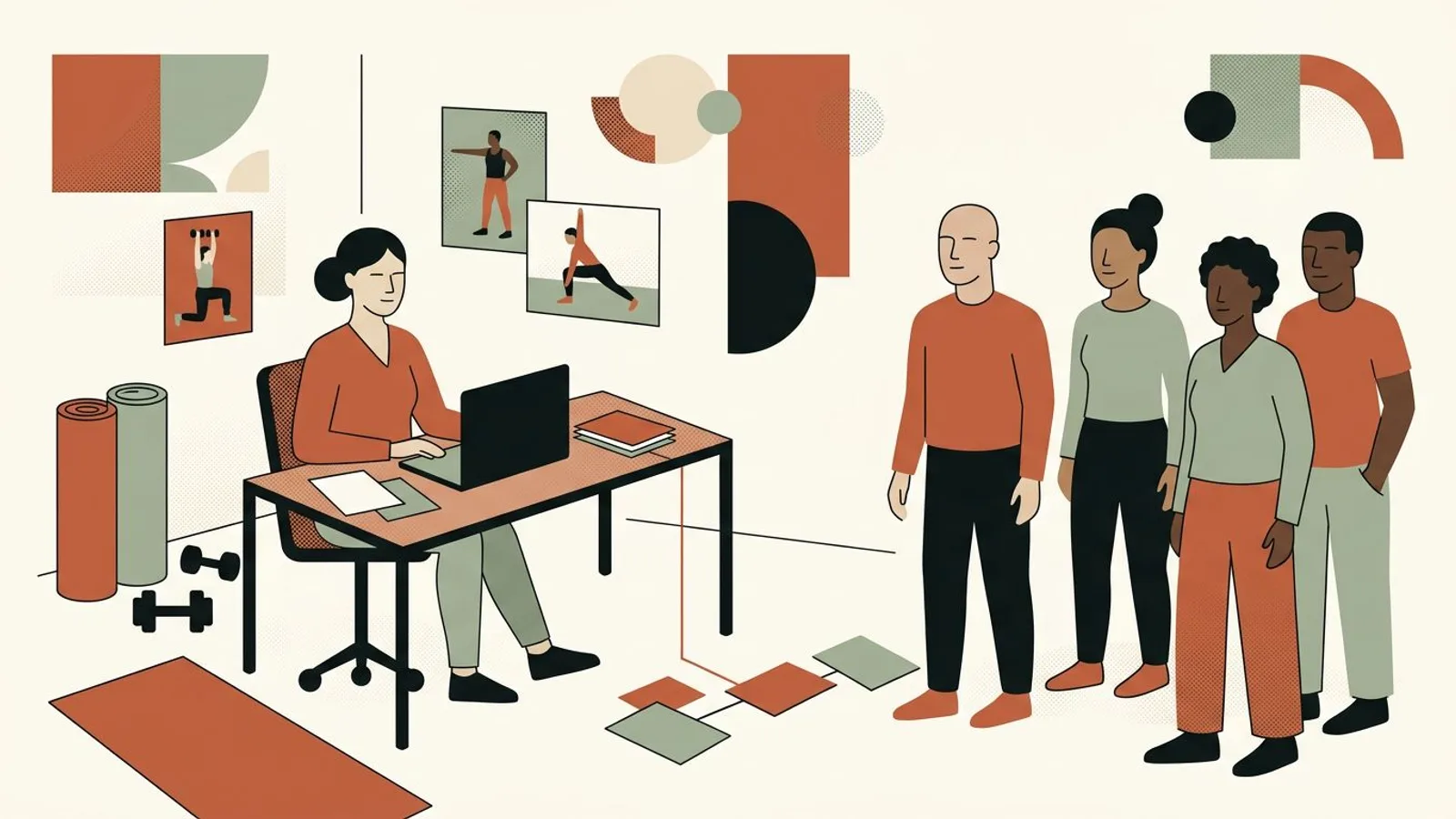
Build a visible path from one specific client problem to a clear remote offer, grounded proof content, and one simple intake action, then review it weekly.

You do not need an audience to sign your first coaching clients. You need one clear sentence, an activated first circle, and just enough public proof. Here is the five-step method.
Nine notes from a year of watching coach accounts on Instagram: the posts that book discovery calls, the ones that only collect saves from other coaches, and what to publish the week nothing happened.
A fitness coach answers 8 to 12 post-worthy client questions a week, out loud, and loses them. This walkthrough turns one logged week into a month of posts.
Cover the names on five life coach websites and you cannot tell them apart. That is a client problem, not a branding one. Here is what to publish so a stranger can choose you.
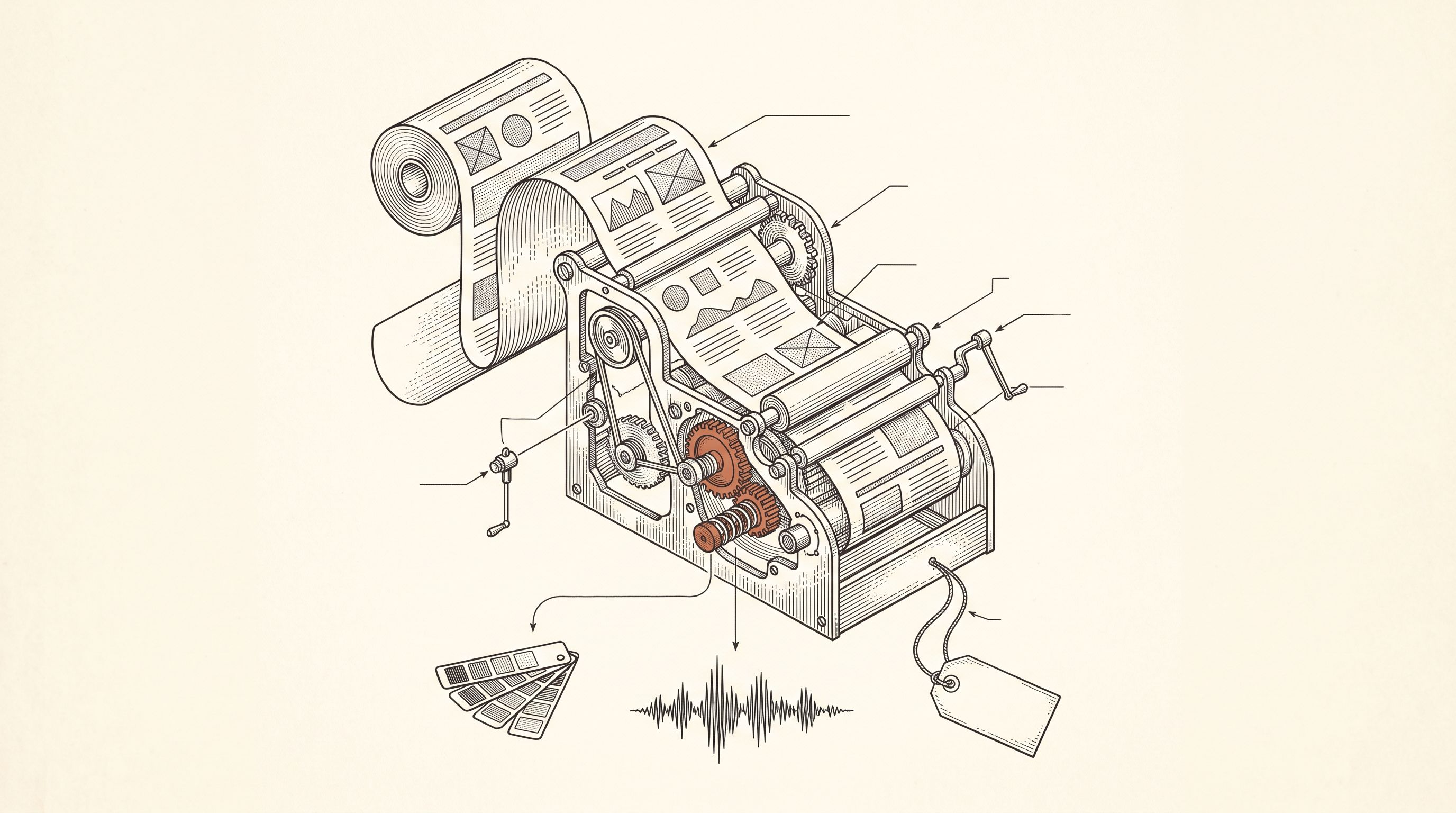
From a single website URL, ReadyToPost builds your brand profile and starts generating on-brand posts — no manual brief to fill.
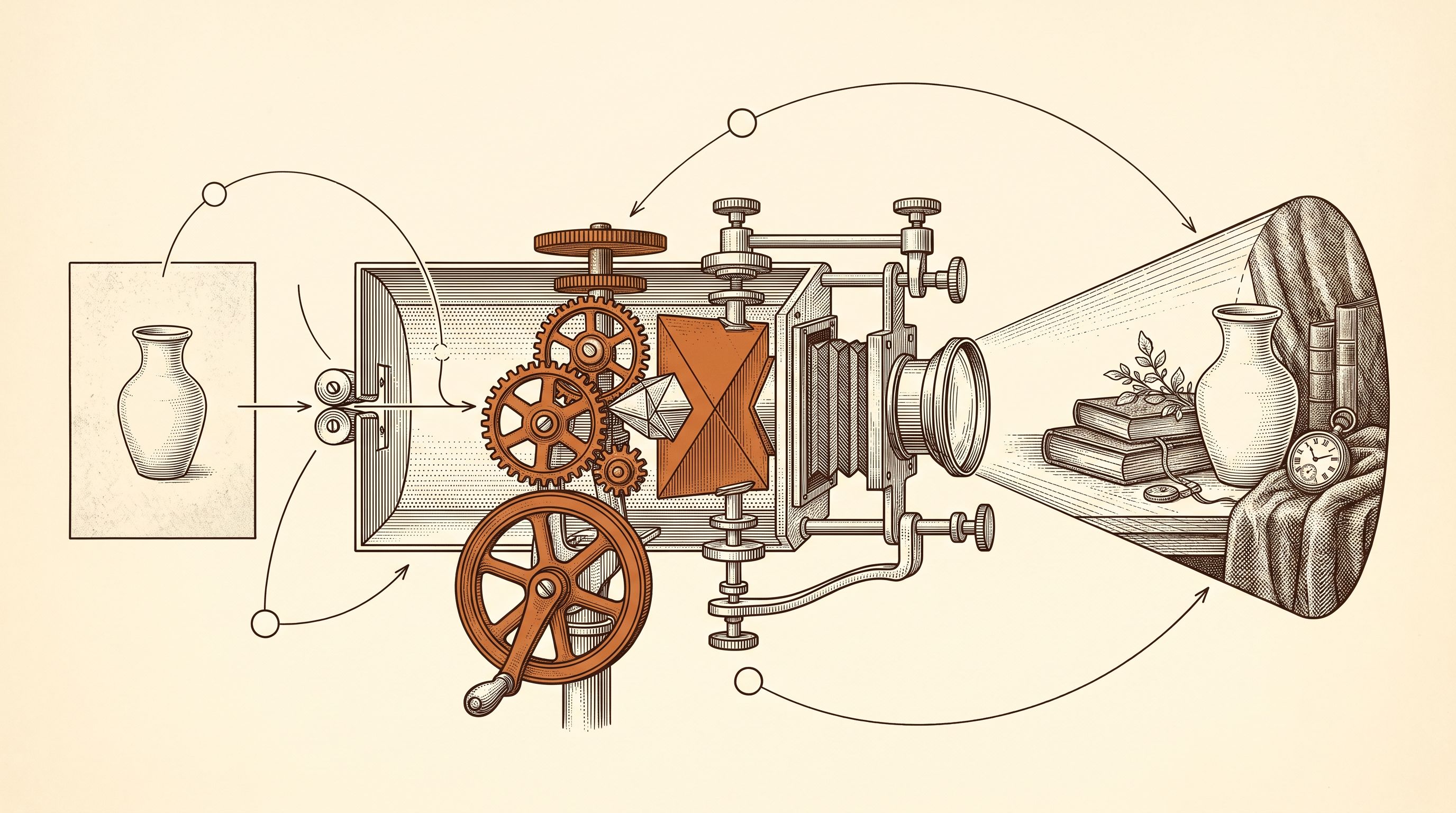
Create AI product images and social media visuals from your photos or from scratch. ReadyToPost applies your brand style in the right format for each network.
A semantic memory of your brand's real facts, so every post cites what you actually do and have.
Generate on-brand Instagram posts where the 4:5 feed visual and the caption are built together — a scroll-stopping hook, breathable paragraphs, and full-word hashtags grouped at the end, scheduled and ready to publish.
ReadyToPost prepares LinkedIn posts in your voice every week. Review and approve your content, then publish to your profile or company page on schedule.
ReadyToPost prepares Facebook images and posts in your voice every week. Review and approve them, then schedule publication to your Facebook Page.
You hold the principles. Readytopost takes the communication off your plate, every week — so your method stays your method.
Monthly plansReady in minutesCancel in one click