
Instagram Marketing Plan for Coaches: A Weekly System
Build a coach-specific Instagram plan that turns one clear offer into a coherent week of useful, credible posts and invitations.
You don't sell during the discovery call. You collect on a decision that was already made before it.

A call that doesn't convert is rarely lost during the call. It's lost beforehand, in everything the prospect didn't see, didn't grasp or didn't believe — and that no closing technique can recover in thirty minutes.

What if prospects arrived already convinced?
ReadyToPost turns your day-to-day into posts that do the convincing before the first call even happens.
Convince before the callA call that doesn't close always stalls on one of three things, and mistaking one for another costs you weeks. Cause 1 — the prospect was unqualified: no budget, no urgency, not the right problem. Cause 2 — trust was never built: they're discovering you during the call, they weren't following you before it. Cause 3 — the offer was fuzzy: they don't know exactly what they're buying or where it leads them. Before you rewrite your script, ask yourself which of the three shows up most often. The answer is almost never "I'm bad at selling."
Pull up your last five calls that didn't close. For each one, tick a single cause. If the same one comes up four times out of five, you know where to act — and it isn't in the call.
A prospect who books a call after reading three of your posts, seeing how you think and recognizing their own problem in your words shows up in a different state than someone who clicked a random link. Qualification doesn't happen in a sprawling intake form — it happens in the content that comes before. Your LinkedIn posts name who you help, which problem, at what point in their journey. The wrong prospect loses interest before booking; the right one arrives saying "this is exactly my situation." The call is no longer there to convince — it's there to confirm.
A few posts a week that precisely describe your ideal prospect — their situation, their sticking point, their tipping moment — filter better than a sales page. The wrong prospects recognize themselves and move on.

Thirty minutes isn't enough to trust someone you've just met. Trust builds over time, through repeated exposure: seeing your method, your convictions, your way of reasoning, week after week. When a prospect has followed you for a month, the call isn't a first meeting — it's a conversation that continues. They're no longer testing you, they're checking one detail before committing. That's exactly what reading the silence of a feed that gets no echo lets you repair upstream: a steady feed warms up your audience while you sleep.
Consistency beats intensity. Three posts a week for three months build more trust than one isolated viral article — repetition is what the brain reads as reliability.
If by the end of the call the prospect can't restate in one sentence what they're buying and where it leads, they won't sign — uncertainty gets paid in hesitation. A clear offer rests on three elements: for whom, what result you're aiming at, in what concrete form (number of sessions, duration, pace). Fuzziness isn't elegance, it's a brake. Putting a face on intangible expertise is what makes this concrete. Lay out these three elements in your posts well before the call: the prospect arrives already knowing the essentials, and the call serves to fine-tune, not to discover.
Test your offer on someone close who isn't a client. If they can't re-explain it back to you thirty seconds later, it's too fuzzy to convert a stranger into a booked call.
When every call carries the weight of a month with no prospects, the pressure makes the sale clumsy and the prospect feels it. The real fix isn't a better script, it's a steady flow: enough lukewarm prospects on hand at all times that no single call is vital. It's content published without interruption that creates that flow — across several networks, LinkedIn leading the way, Instagram right behind. ReadyToPost generates the visuals, without a single source photo if you want, along with the texts to match, so the pipeline never empties between two calls.
Aim for a calendar that runs on its own rather than a burst followed by a long silence. A pipeline that never depends on one call removes the pressure — and pressure is what makes calls fall apart.
You qualify, ReadyToPost publishes the trust.
Your method qualifies prospects, ReadyToPost publishes what builds trust before the call.
Build the trustDo
Don't

Situation
A career-transition coach lands about ten discovery calls a month. Eight end on "let me think about it," two sign. She concludes she doesn't know how to sell and signs up for a closing course — with no result.
Action
Instead of reworking her script, she rereads her eight calls that didn't close and ticks one cause per call. Six out of eight: trust never built, prospects discovering her during the call. She sets up three LinkedIn posts a week — her method, her convictions about career change, one received idea corrected each time — so prospects follow her before they book. She adds a monthly post that precisely describes who she helps and at what moment, to filter out the browsers. The visuals and the texts are generated with no photo to supply.
Outcome
Two months later, the number of calls hasn't exploded, but their nature has changed: prospects arrive saying "I've been following you for weeks, I already know I want to work with you." The conversion rate moves from two out of ten to five out of ten. The call is no longer a sale — it's a fine-tuning. She never touched her script.
Your prospects can arrive just as convinced.
ReadyToPost can do, week after week, what these posts did in this example.
A polished script doesn't make up for an unqualified prospect, missing trust or a fuzzy offer — it masks the symptom and leaves the cause intact. You can rehearse the best closing techniques: if the person across from you is discovering you during the call and doesn't have the right problem, they'll say "I'll think about it" no matter what you do. The lever isn't in the thirty minutes, it's in the weeks that precede them.
Many coaches leave a warm call convinced it's in the bag, then never hear back. Enthusiasm during the call isn't a buying signal — it's often politeness, or genuine interest with no budget or urgency. The real signal reads upstream: a prospect who was following you, who recognizes themselves in your words and who books with full awareness. The rest is pleasant noise.

When only one call a month comes in, each one turns vital — and that pressure transfers to the prospect, who tenses up. The more you need the call to close, the less it closes. The way out isn't to sell better under pressure, it's to fill the pipeline upstream so the pressure disappears. A steady flow of content makes every call optional, and therefore easier to close.
You've just identified where it's breaking. Addressing it will take your time, your focus, your energy. Meanwhile, your communication can't go dark — or turn into filler. Readytopost keeps it at a demanding level on the five social networks: posts written, images generated, calendar filled — calibrated on your work.
Start with ReadyToPostKeep going on your own. The method for independent coaches lays out the principles that turn a diagnosis into durable action — across every lever, not just communication. Concrete markers to help you decide on the fly, without imposed recipes or rigid calendars. At your pace, at your scale.
Continue to the method
Almost never. A warm call that doesn't convert is a sign the block is elsewhere: the prospect was unqualified, they were discovering you during the call with no prior trust, or your offer stayed fuzzy. None of those three causes is fixed by a better selling technique. Pull up your last calls that didn't close, tick a single cause per call, and see which one dominates. You'll almost always find the problem plays out in the weeks before the call, not in the thirty minutes of conversation. The lever is upstream, in the content that qualifies and warms the prospect up before they ever pick up.
The best qualification doesn't run through a filtering form, which discourages good prospects as much as bad ones. It runs through the content published beforehand. When your posts precisely name who you help, which problem and at what point in their journey, the wrong prospect loses interest on their own and doesn't book, while the right one recognizes themselves and arrives saying "this is exactly my situation." Three posts a week describing the ideal prospect — their situation, their sticking point, their tipping point — sort far better than a closed question. The barrier lives in the message, not in the process.
There's no guaranteed timeline, but trust builds through repeated exposure, not through one intense contact. A prospect who sees your method, your convictions and your way of reasoning three times a week for a few weeks arrives at the call in a very different state than someone discovering you the same day — which is exactly what a one-week proof series can accelerate — which is exactly what a one-week proof series can accelerate — which is exactly what a one-week proof series can accelerate. Consistency matters more than intensity: a steady feed read as reliable beats an isolated viral article. The goal isn't to hit a magic number of touchpoints, but to install a continuous presence so the call is a conversation that continues, not a first meeting.
No. Price is rarely the real brake — hesitation almost always comes from insufficient perceived value or a fuzzy offer. Cutting your rate at the first doubt signals that you don't believe in it yourself and devalues the work, without fixing the cause. Rather than adjusting the price, clarify what the prospect is buying and where it leads, and build that clarity well before the call in your posts. A prospect who understood the value upstream doesn't argue the price at signing time: they already know what they're getting.
By publishing continuously on the networks where your audience is — LinkedIn first for this line of work, Instagram second. A steady flow of content keeps enough lukewarm prospects on hand at all times that no single call is vital, which removes the very pressure that makes sales fall apart. The brake is often that you have neither the time nor any photos to show for an intangible expertise. ReadyToPost lifts both: it generates the visuals, with no product photo at all, plus the texts tailored to each network, in a few minutes a week. The pipeline no longer empties between two calls.
Build a coach-specific Instagram plan that turns one clear offer into a coherent week of useful, credible posts and invitations.
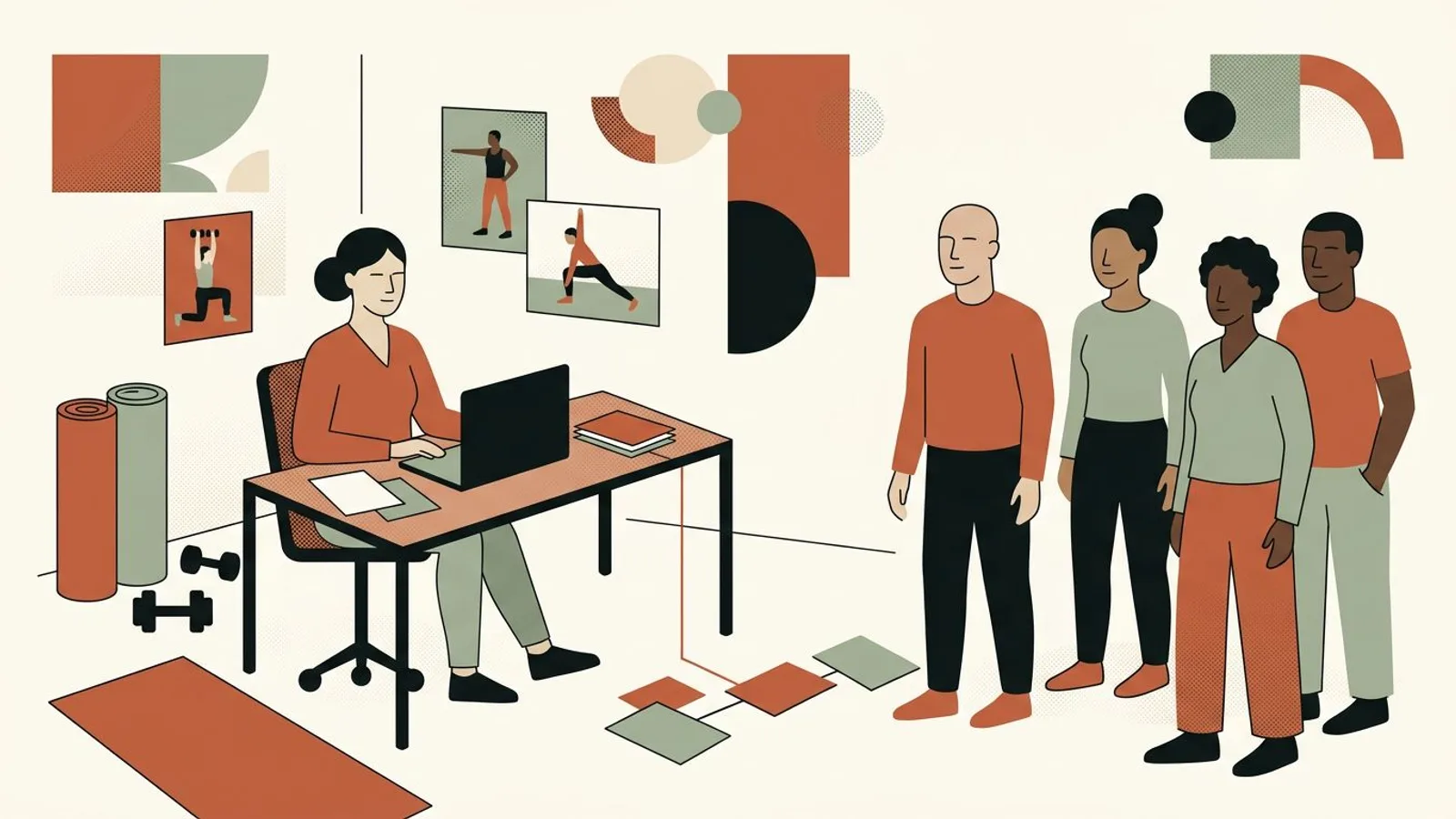
Build a visible path from one specific client problem to a clear remote offer, grounded proof content, and one simple intake action, then review it weekly.

You do not need an audience to sign your first coaching clients. You need one clear sentence, an activated first circle, and just enough public proof. Here is the five-step method.
Cover the names on five life coach websites and you cannot tell them apart. That is a client problem, not a branding one. Here is what to publish so a stranger can choose you.
Most coach bios promise a transformation but hide the method. Use one client, one change and one observable way of coaching to make yours specific.
Nine notes from a year of watching coach accounts on Instagram: the posts that book discovery calls, the ones that only collect saves from other coaches, and what to publish the week nothing happened.

From a single website URL, ReadyToPost builds your brand profile and starts generating on-brand posts — no manual brief to fill.
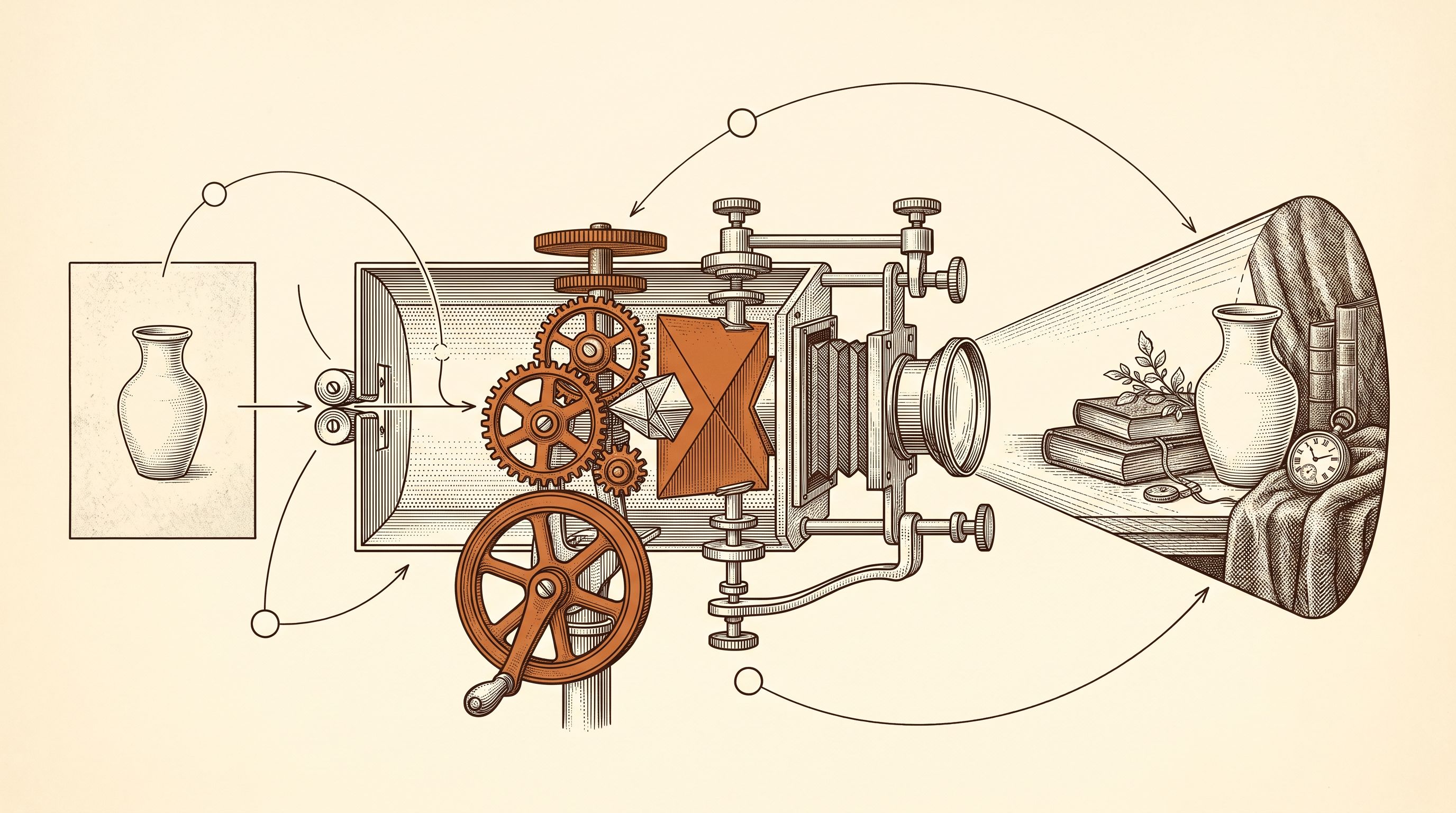
Create AI product images and social media visuals from your photos or from scratch. ReadyToPost applies your brand style in the right format for each network.
A semantic memory of your brand's real facts, so every post cites what you actually do and have.
Generate on-brand Instagram posts where the 4:5 feed visual and the caption are built together — a scroll-stopping hook, breathable paragraphs, and full-word hashtags grouped at the end, scheduled and ready to publish.
ReadyToPost prepares LinkedIn posts in your voice every week. Review and approve your content, then publish to your profile or company page on schedule.
ReadyToPost prepares Facebook images and posts in your voice every week. Review and approve them, then schedule publication to your Facebook Page.
You know where to look. While you address it, Readytopost keeps your communication alive — written, illustrated and scheduled every week.
Monthly plansReady in minutesCancel in one click