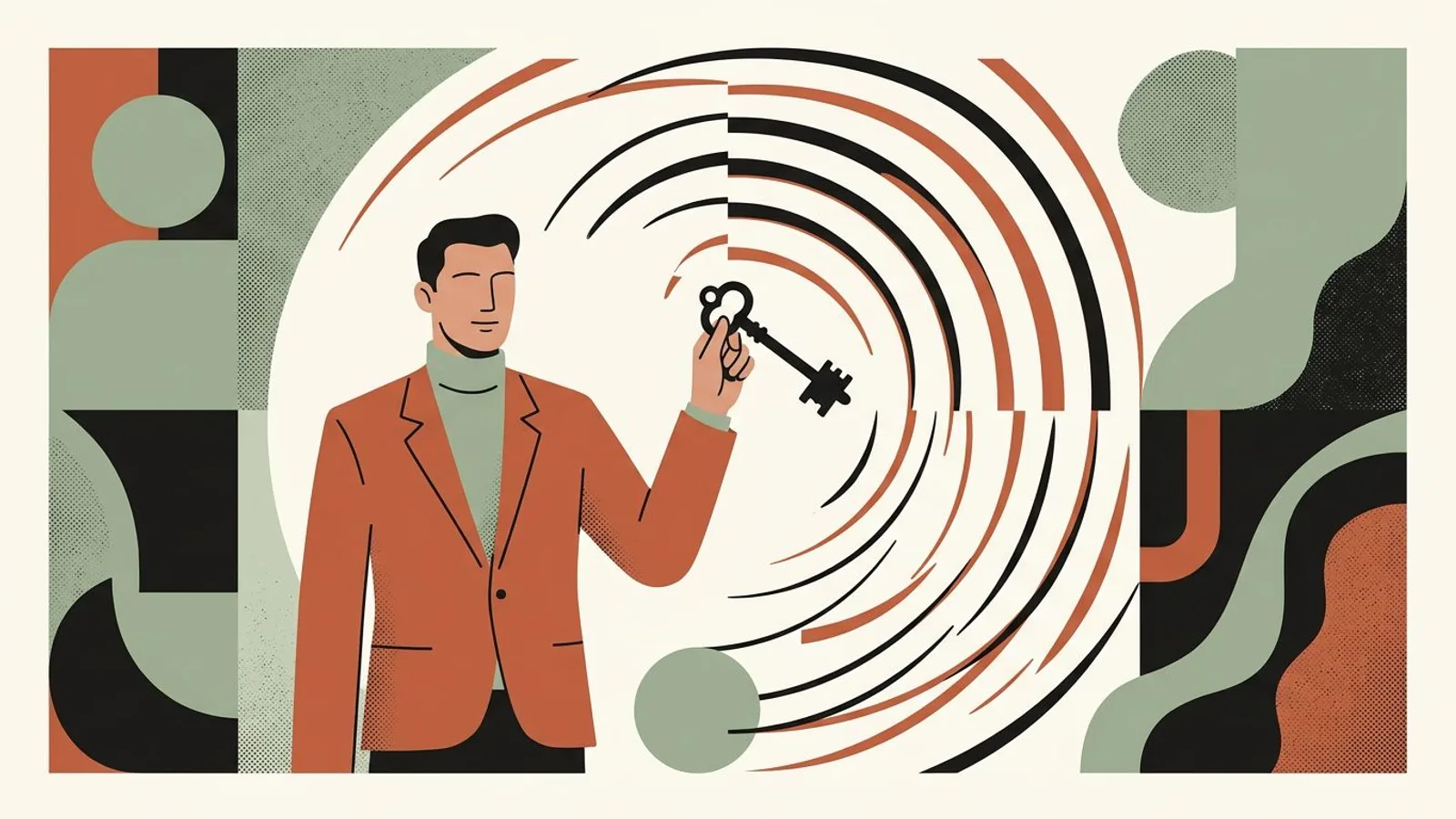
Instagram Marketing Plan for Coaches: A Weekly System
Build a coach-specific Instagram plan that turns one clear offer into a coherent week of useful, credible posts and invitations.
A prospect doesn't choose the best coach. They choose the one whose expertise they can perceive before they ever
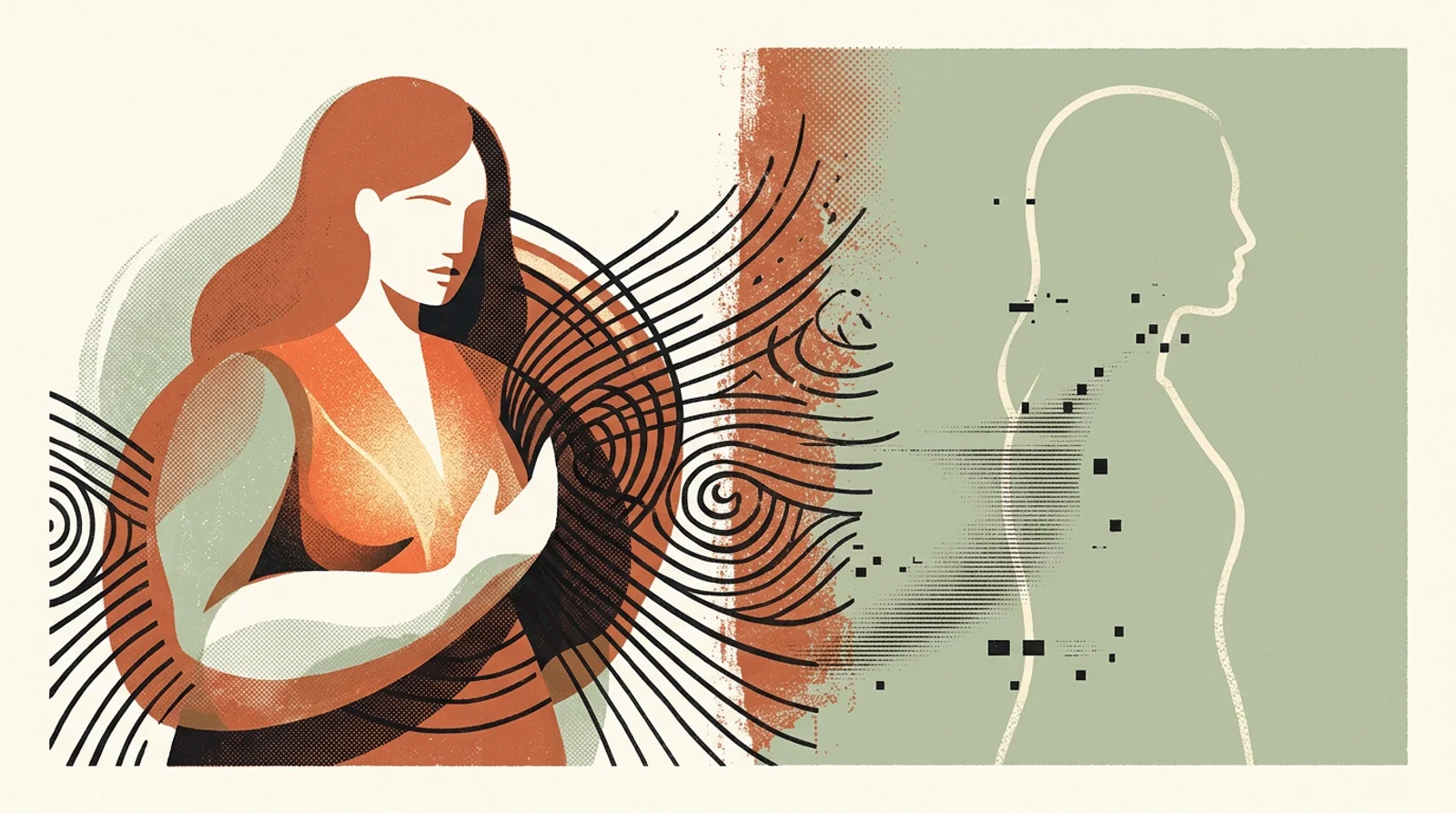
The problem is almost never your level. It's the gap between the value you deliver in session and the little a prospect can perceive before ever speaking to you. This diagnosis teaches you to measure that gap — not to go train some more.

What if your value showed before the first word?
ReadyToPost turns what you know how to do into visuals and text, visible before the first exchange.
Show my valueBefore any diagnosis, set the baseline. In ten minutes, list by hand the five concrete transformations you actually spark in a client — not your diplomas, not your methods, but what the person knows, does or feels differently after working with you. "She finally dares to delegate." "He made a call he'd been putting off for a year." "She speaks up in meetings without apologizing." That is your value. That is what the prospect should be perceiving — and almost never does.
If you can't write five concrete transformations, the problem sits upstream of the diagnosis: your positioning is still too broad. Lay that stone first.
Open your LinkedIn profile in a private window, as if you'd never met yourself. Give yourself seven seconds — no more — and note the single thing you understood. Do it again with your last three posts. The question is never "is this well written" but "can a stranger tell what I change in someone, and for whom". Nine times out of ten, what a stranger retains in seven seconds has nothing to do with the five transformations you just wrote down. That gap is your diagnosis.
Run the test on the profile of a peer you admire. What they make legible in seven seconds shows you what's missing from yours — not to copy, to calibrate.

Put the two lists side by side: what you deliver in session, what a stranger perceives online. The gap sorts into three boxes. The value you deliver but that nothing shows — by far the biggest reserve, almost every time. What you do show but that only speaks to peers (jargon, certifications) and not to a prospect. What is visible and genuinely lands — usually a tiny sliver. This isn't a shortage of skill. It's a translation deficit: your expertise exists, it simply hasn't been made visible.
If the third box is nearly empty, don't conclude you're bad at visibility. Conclude that you haven't made anything visible yet — which is very different, and far easier to fix.
Of your five transformations, only one becomes your entry point. Not the most prestigious one: the most recognizable to a prospect who doesn't know you. The one they're already living, that they can name, that they may even be searching for out loud. "Leading former peers without losing yourself." "Deciding without deferring everything." "Speaking in public without the knot in your stomach." That transformation becomes the thread of your content for a few weeks — the one that closes the gap fastest, because it's perceived instantly.
One transformation at a time. By trying to show all five at once, you recreate the exact fog this diagnosis set out to measure.
You name the gap, ReadyToPost closes it in posts.
You spot what doesn't show, ReadyToPost turns it into content for every network.
Close my gapDo
Don't

Situation
A leadership coach has spent eight years guiding newly promoted managers. In session, she unblocks in a few meetings situations clients had been dragging for months. Her LinkedIn profile reads "ICF-certified coach, passionate about human potential" and her posts talk about empathy and presence. She thinks she needs an extra certification to stand out.
Action
She runs the diagnosis. She writes her five real transformations: the first is "leading people who were your peers yesterday, without losing yourself". She rereads her profile in seven seconds: a stranger gets "coaching, kindness", nothing about promoted managers, nothing about that precise moment. The gap is enormous. She sorts everything: the value she delivers but doesn't show fills a page; what is visible and lands with a prospect fits on one empty line. She picks the transformation "leading former peers" as her entry point and makes it the thread of her content.
Outcome
She took no new training. Simply by refocusing what she made visible on that recognizable transformation, her profile and her posts started speaking exactly to the people living it. Three prospects reached out saying "this is exactly my situation" — words you only write once you've recognized yourself. The expertise hadn't moved. Only the gap between what she could do and what people perceived of it had closed.
What if a prospect recognized themselves on sight?
ReadyToPost can spark the same recognition in your next prospects, no extra training needed.
When the pipeline slows, the conscientious coach's reflex is to train some more — one more certificate, one more approach. It's reassuring, because it's familiar ground. But adding skill to an expertise that stays intangible changes nothing in what a prospect perceives: zero plus a certification is still zero on the visibility side. The diagnosis exists precisely to tell the two apart — and the verdict is almost always that skill is not the problem.
"My clients come by referral, so my value shows." No: a referral short-circuits online perception, it doesn't measure it. A referred client arrives already convinced by a trusted third party; they never had to perceive your expertise on their own. The day word of mouth dries up — and it does, it isn't something you control — all that's left is what a stranger perceives alone. And that's exactly the box you discover empty.

Once the gap is clear, the temptation is to pour out all your expertise at the same time — five transformations, three methods, ten convictions. The result recreates the original fog: a prospect retains nothing when you show them everything. Visibility isn't won by volume of proof but by the sharpness of one entry point. One recognizable transformation, held for a few weeks, closes more gap than ten posts heading in every direction.
You've just identified where it's breaking. Addressing it will take your time, your focus, your energy. Meanwhile, your communication can't go dark — or turn into filler. Readytopost keeps it at a demanding level on the five social networks: posts written, images generated, calendar filled — calibrated on your work.
Start with ReadyToPostKeep going on your own. The method for independent coaches lays out the principles that turn a diagnosis into durable action — across every lever, not just communication. Concrete markers to help you decide on the fly, without imposed recipes or rigid calendars. At your pace, at your scale.
Continue to the method
Put the two lists side by side. On one side, the concrete transformations you genuinely spark in session — if you line up five without effort, your expertise isn't the issue. On the other, what a stranger perceives of you in seven seconds online. If the first list is rich and the second nearly empty, the verdict is unambiguous: it's a visibility problem, not a skill one. The most reliable sign is that sentence people say to you: "I had no idea you did that." It proves the value exists and that it shows up nowhere.
Word of mouth is precious, but it hides the blind spot more than it resolves it. A referred client arrives convinced by a trusted third party — they never had to perceive your expertise on their own, so their arrival says nothing about what a stranger understands of it. The problem is that referral isn't something you steer: it depends on others, it fluctuates, it dries up without warning. The day it slows, all that's left is what a prospect perceives alone online — which is precisely the box this diagnosis reveals empty. Making your expertise visible gives you a source you control, on top of word of mouth.
That's the tension built into your profession: you sell the intangible, a transformation, a breakthrough — nothing to photograph. But an expertise is made visible through its ideas far more than through product images. Your raw material is your concrete transformations, your convictions, your principles, the breakthroughs you witness in session. On the visual side, ReadyToPost generates coherent, professional images with no source image, without your needing a single photo: your expertise takes on a recognizable form even when there is, literally, nothing to show. Having no product isn't a handicap — it's just the starting point.
It's the most common reflex — and almost always the wrong one. If this diagnosis shows you genuinely deliver value in session, one more training adds nothing to what a prospect perceives: it reinforces a skill that stays intangible. Training again is comfortable because it's familiar ground, but it's putting off the real work. As long as the gap between your real value and its perception stays open, every new certification stays dead weight on the pipeline side. First make visible what you already know how to do; you'll train later, by choice, not as an escape.
Not the one most prestigious in your eyes, but the most recognizable to a prospect who doesn't know you. The one they're already living, that they can name, that they may even be searching for out loud: "leading former peers", "deciding without deferring everything", "speaking in public without the knot in your stomach". That transformation closes the gap fastest, because it's perceived instantly, without translation. Hold it as the thread of your content for a few weeks before adding another. One at a time: trying to show all five at once recreates the exact fog you're trying to clear.
Build a coach-specific Instagram plan that turns one clear offer into a coherent week of useful, credible posts and invitations.

Build a visible path from one specific client problem to a clear remote offer, grounded proof content, and one simple intake action, then review it weekly.

You do not need an audience to sign your first coaching clients. You need one clear sentence, an activated first circle, and just enough public proof. Here is the five-step method.
Cover the names on five life coach websites and you cannot tell them apart. That is a client problem, not a branding one. Here is what to publish so a stranger can choose you.
Most coach bios promise a transformation but hide the method. Use one client, one change and one observable way of coaching to make yours specific.
Nine notes from a year of watching coach accounts on Instagram: the posts that book discovery calls, the ones that only collect saves from other coaches, and what to publish the week nothing happened.
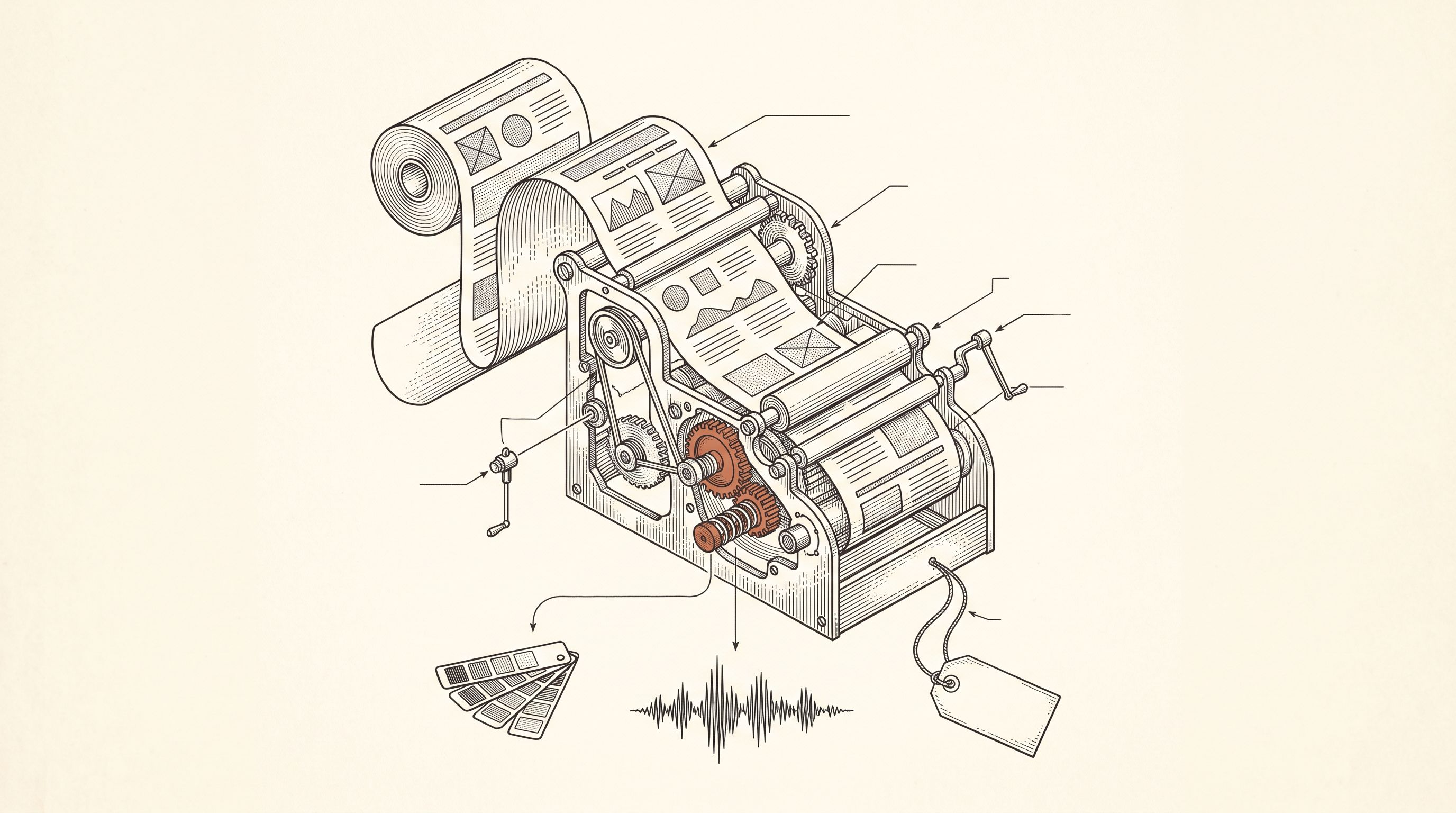
From a single website URL, ReadyToPost builds your brand profile and starts generating on-brand posts — no manual brief to fill.
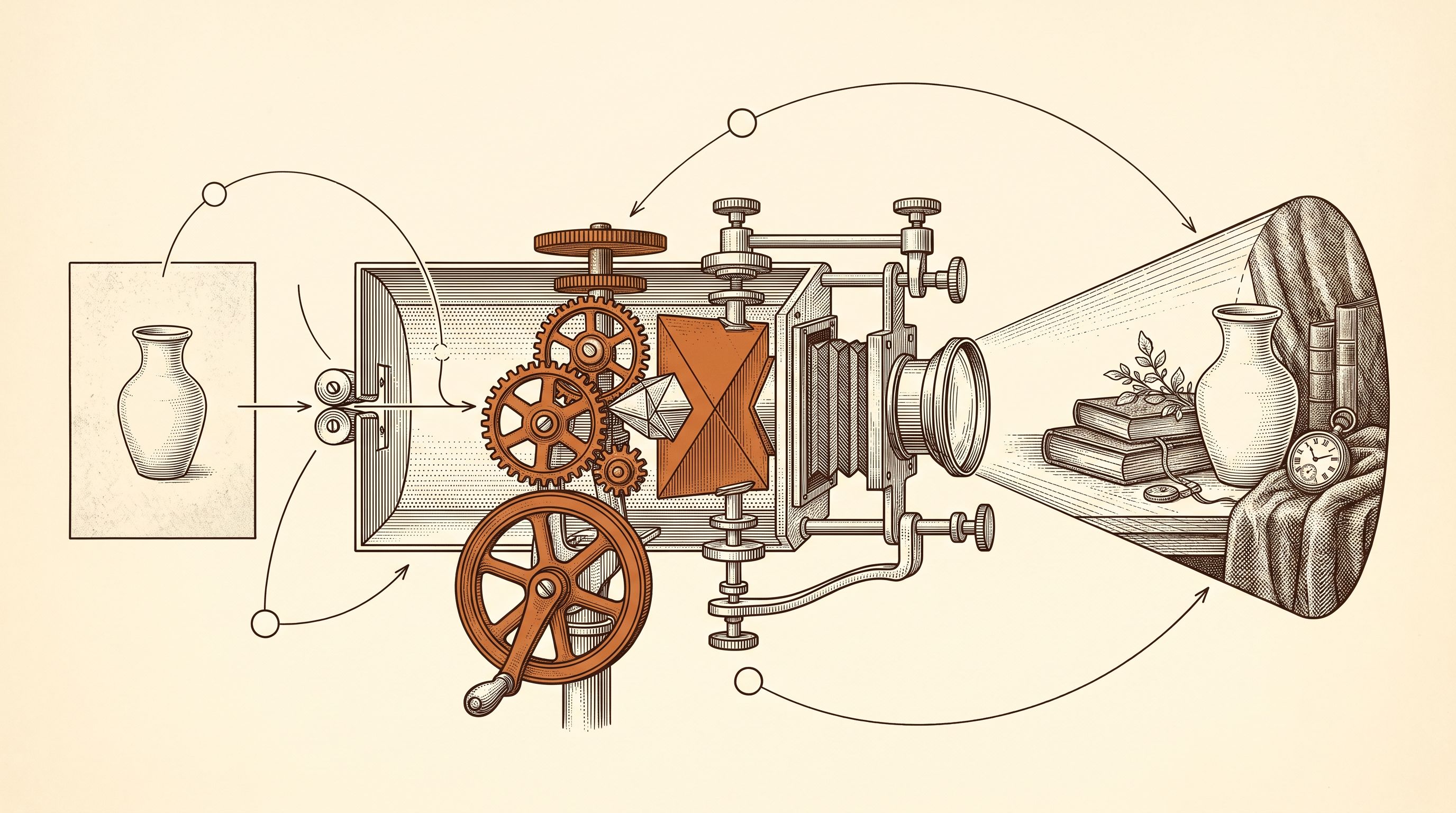
Create AI product images and social media visuals from your photos or from scratch. ReadyToPost applies your brand style in the right format for each network.
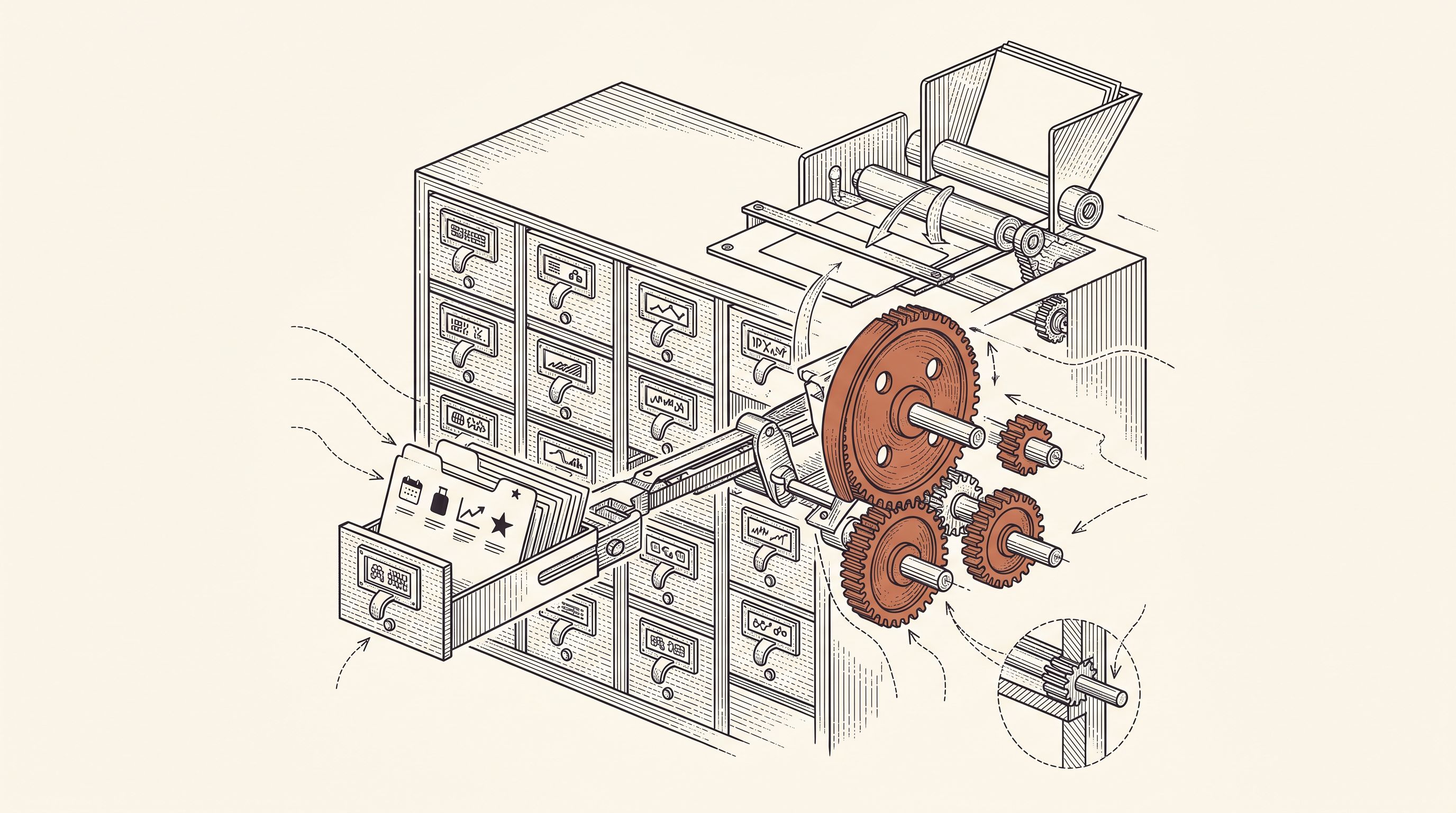
A semantic memory of your brand's real facts, so every post cites what you actually do and have.
Generate on-brand Instagram posts where the 4:5 feed visual and the caption are built together — a scroll-stopping hook, breathable paragraphs, and full-word hashtags grouped at the end, scheduled and ready to publish.
ReadyToPost prepares LinkedIn posts in your voice every week. Review and approve your content, then publish to your profile or company page on schedule.
ReadyToPost prepares Facebook images and posts in your voice every week. Review and approve them, then schedule publication to your Facebook Page.
You know where to look. While you address it, Readytopost keeps your communication alive — written, illustrated and scheduled every week.
Monthly plansReady in minutesCancel in one click