Full library

All guides

In practice · Working your Google reviews

Working Google reviews: the loop that lifts

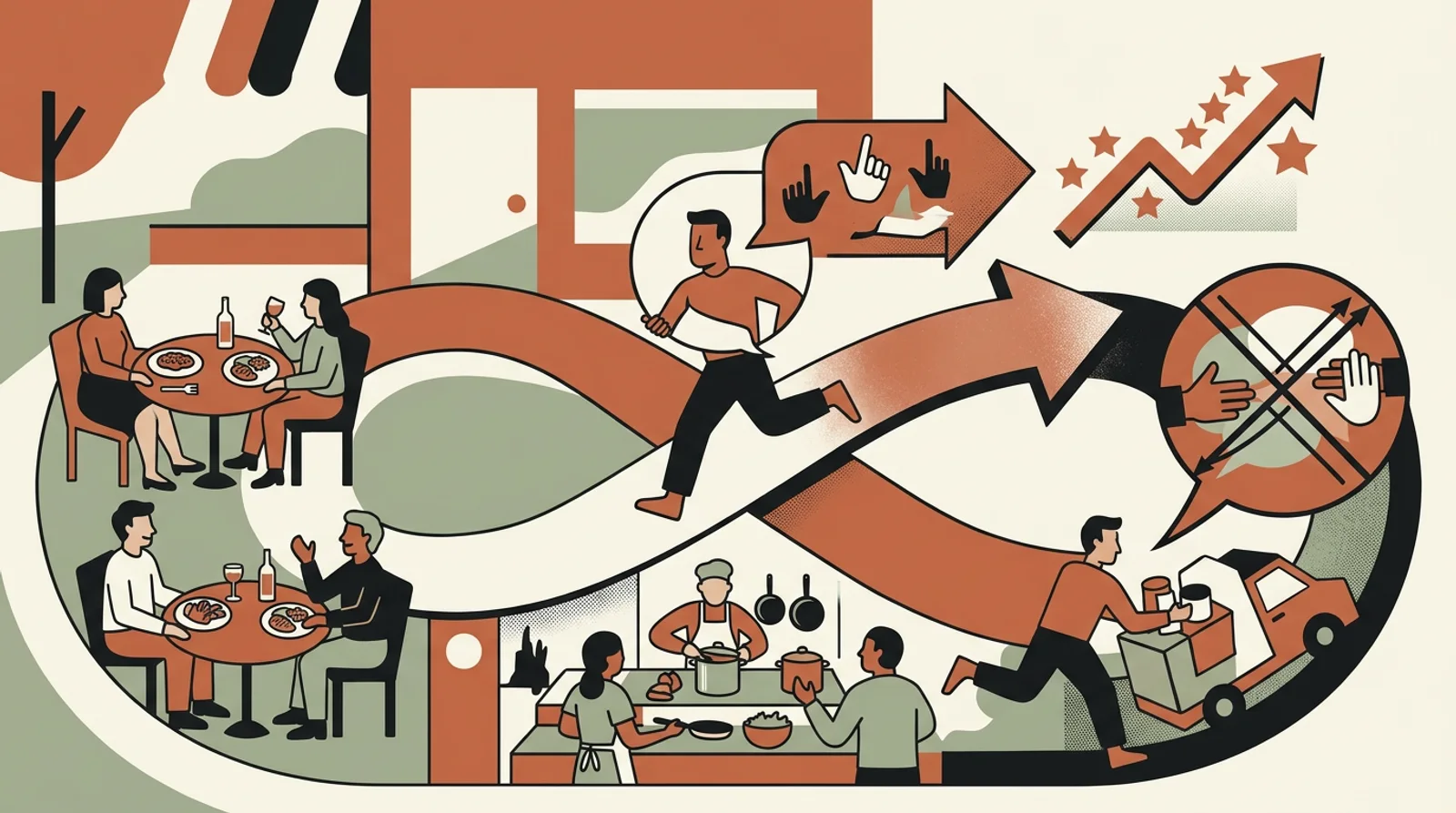
Google reviews don't just arrive — they're worked. Five concrete moves to place this week that turn a passive listing into a system of asking, answering and adjusting.

In practice · Running a short campaign

Running a short campaign without breaking margin

A tasting, a partnership with the wine shop next door, a one-off dish on a Thursday night: a short campaign can restart momentum — or devalue the rest of the menu and chip away at the margin without leaving anything behind. Five concrete moves to design it, frame it financially, and track it from Monday to Sunday.

In practice · Winning back a regular

Win back a regular: 5 concrete moves

A regular who used to come every week and now shows up every two months won't be won back by a marketing email or a discount. Five moves to place this week — named, written, measurable — to crack the door open without forcing it.

In practice · Rescue a slow service

Rescue a slow service: 5 concrete moves

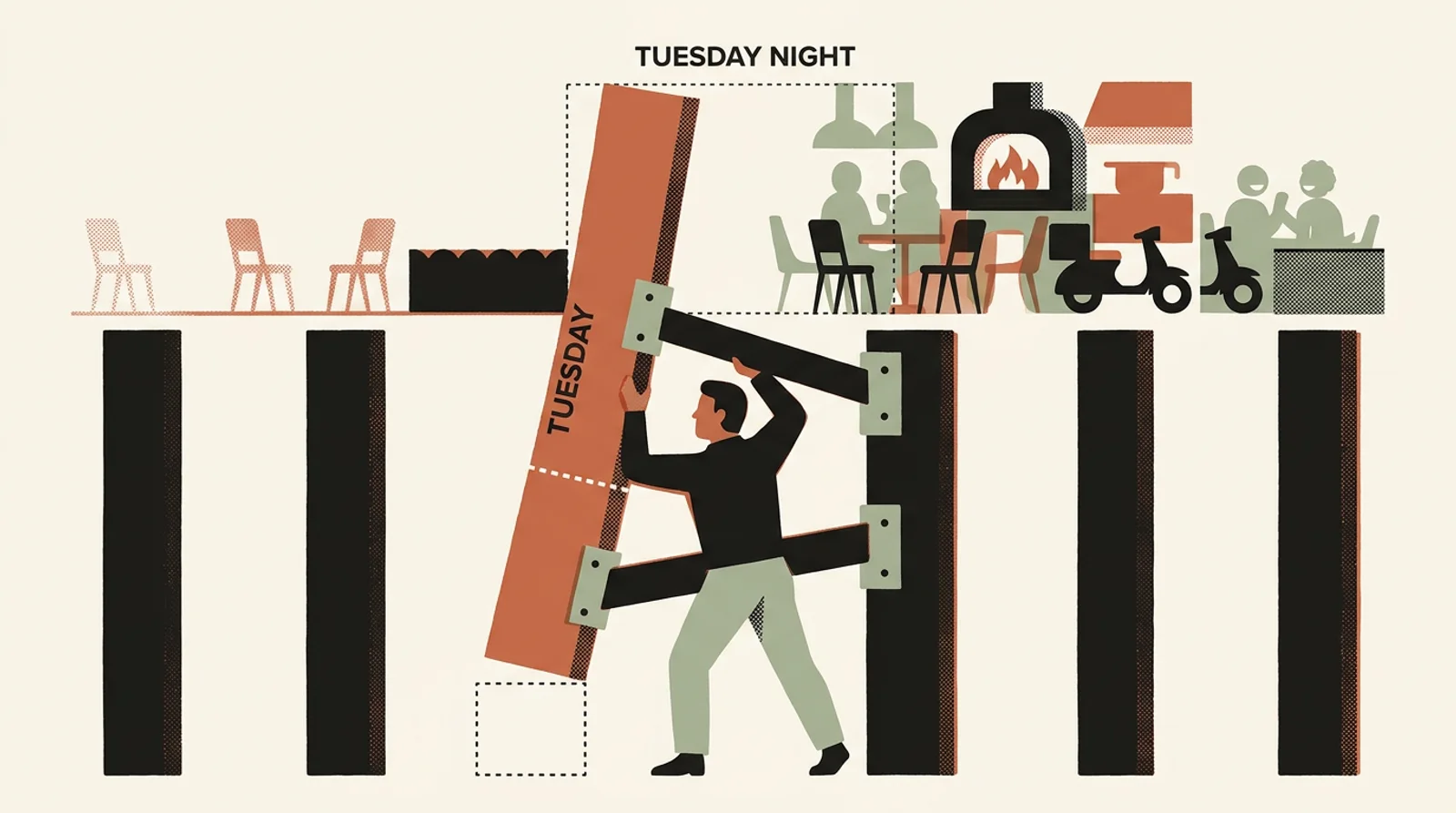
A specific service that's dragging — Tuesday night, Sunday lunch — doesn't need a full overhaul. Five moves placed this week are enough to shift the line the following week, without touching the menu or the prices.

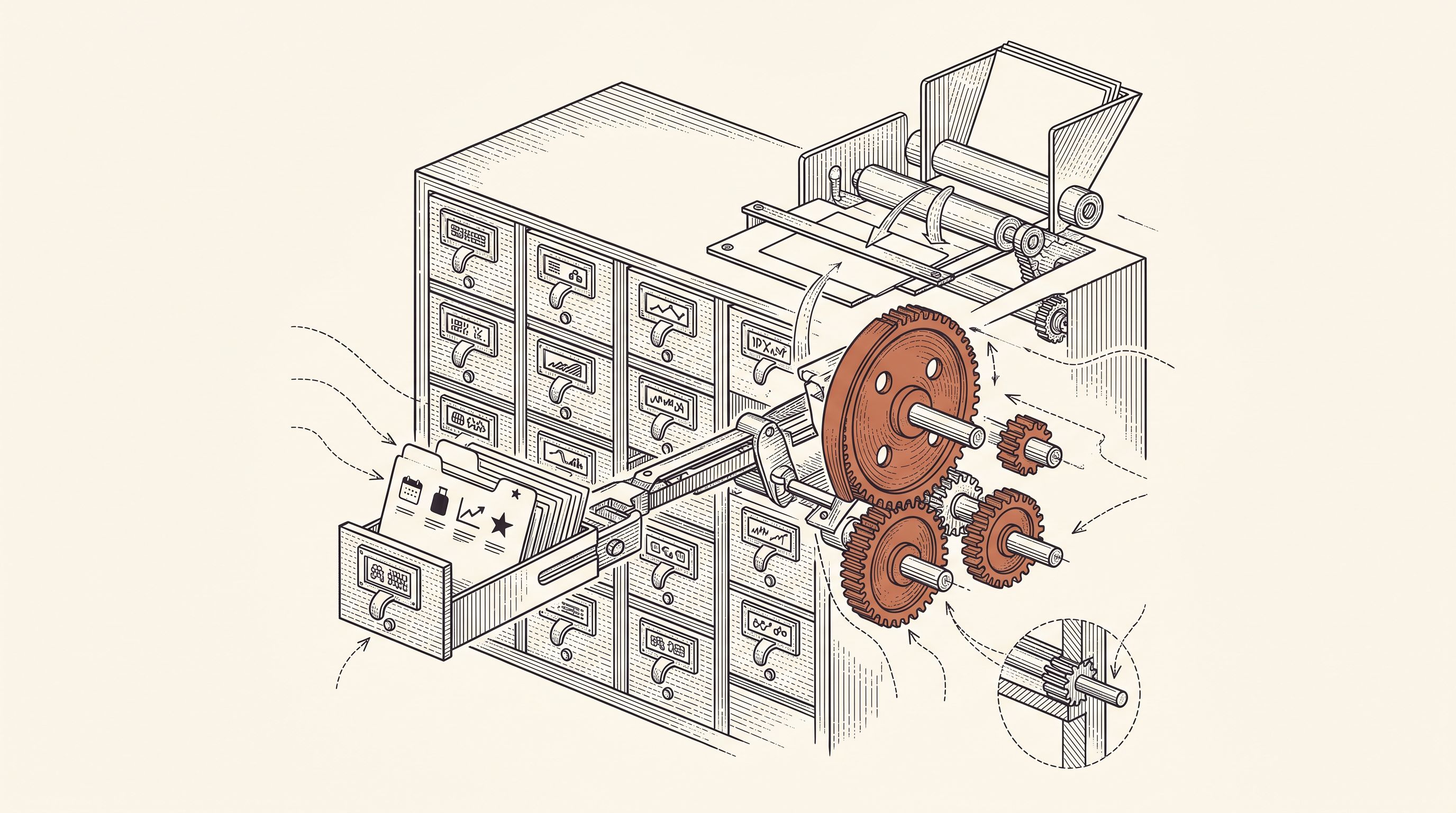
Method · Make them return

Sustainable restaurant loyalty: the method

Loyalty isn't a stack of nice gestures — it's a system. Five principles to think about return visits by the quarter, not by the week, and stop mistaking a punch card for actual loyalty.

Method · Welcome matters

Welcome matters: making it a system that holds

Welcome isn't a human quality you hope shows up every night. It's a frame — thought through up front, equipped, measured against its failures — that survives departures, heavy services and bad days.

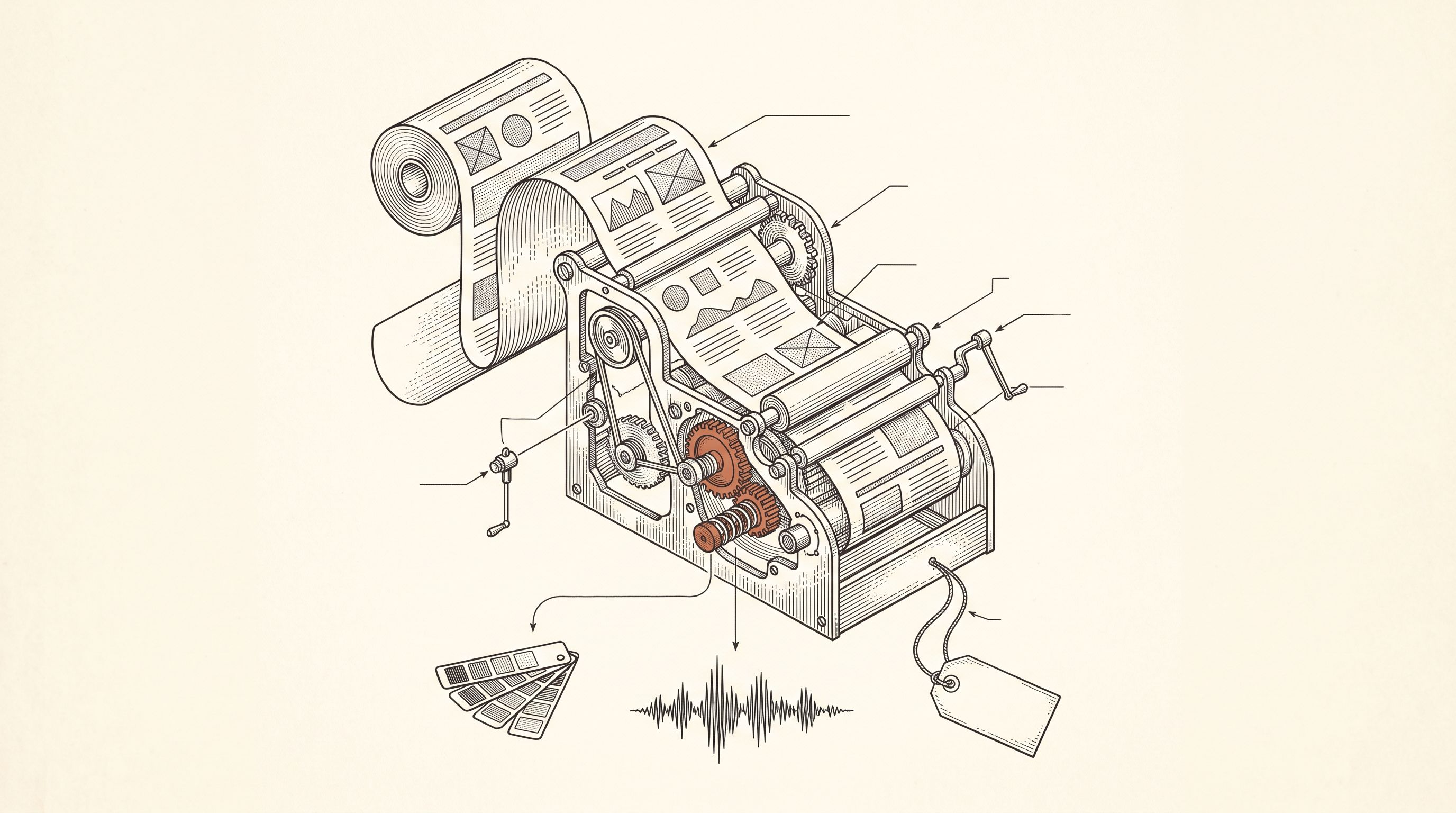
Method · Piloting

Pick your indicators before you pick your tools

Plenty of restaurateurs collect thirty numbers and still decide by gut. The real piloting question isn't 'which software?' but 'which indicators trigger which decisions?'. We set the frame, not the Monday-morning recipe.

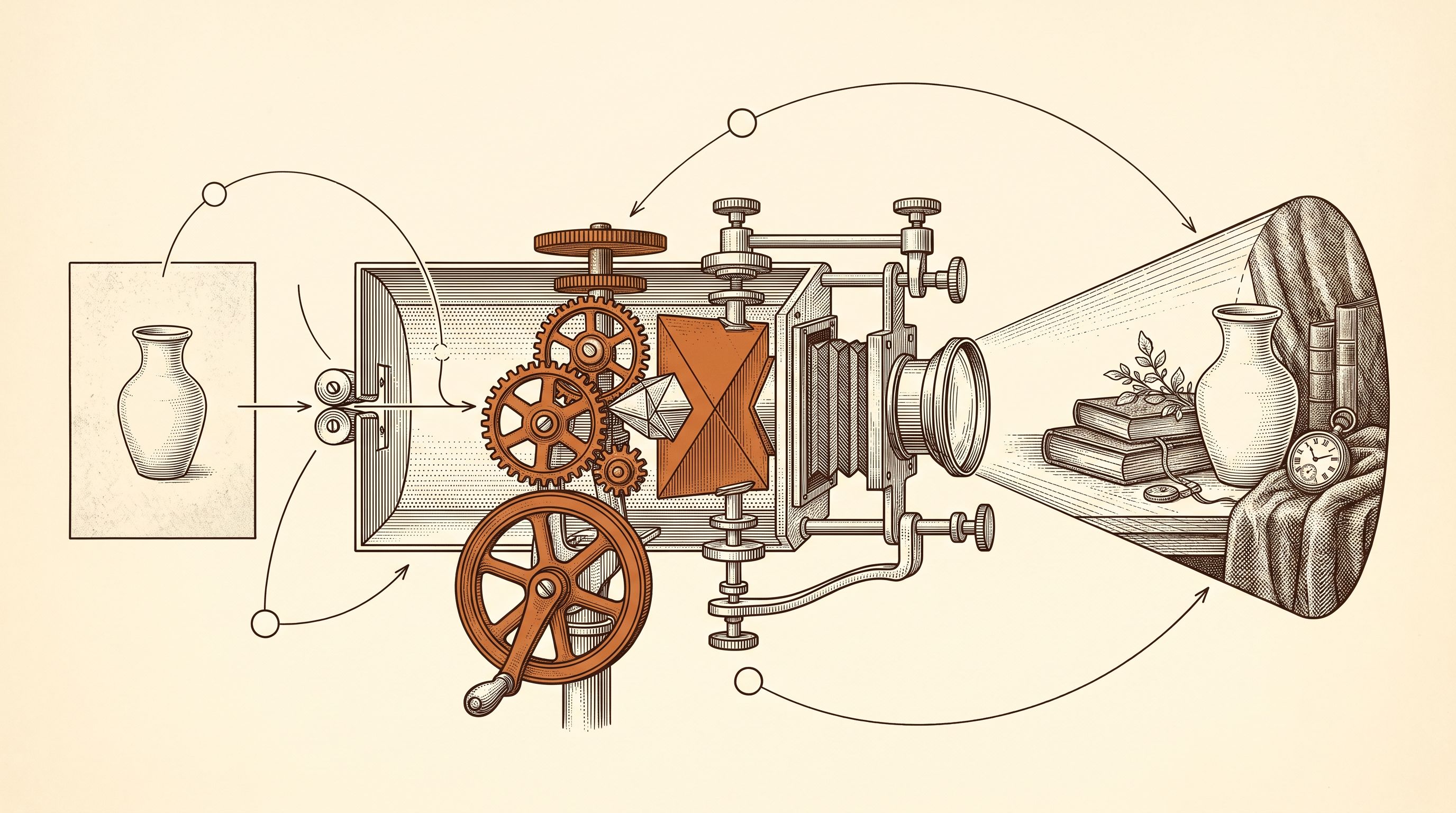
Method · Pick an audience

Picking your audience in a restaurant: the structural call

Picking an audience isn't writing a persona. It's deciding which moment, which need, which appetite you serve better than anyone — and accepting you'll disappoint a few along the way. Then it filters into the menu, the price, the service, the tone. Without it, everything becomes a compromise.

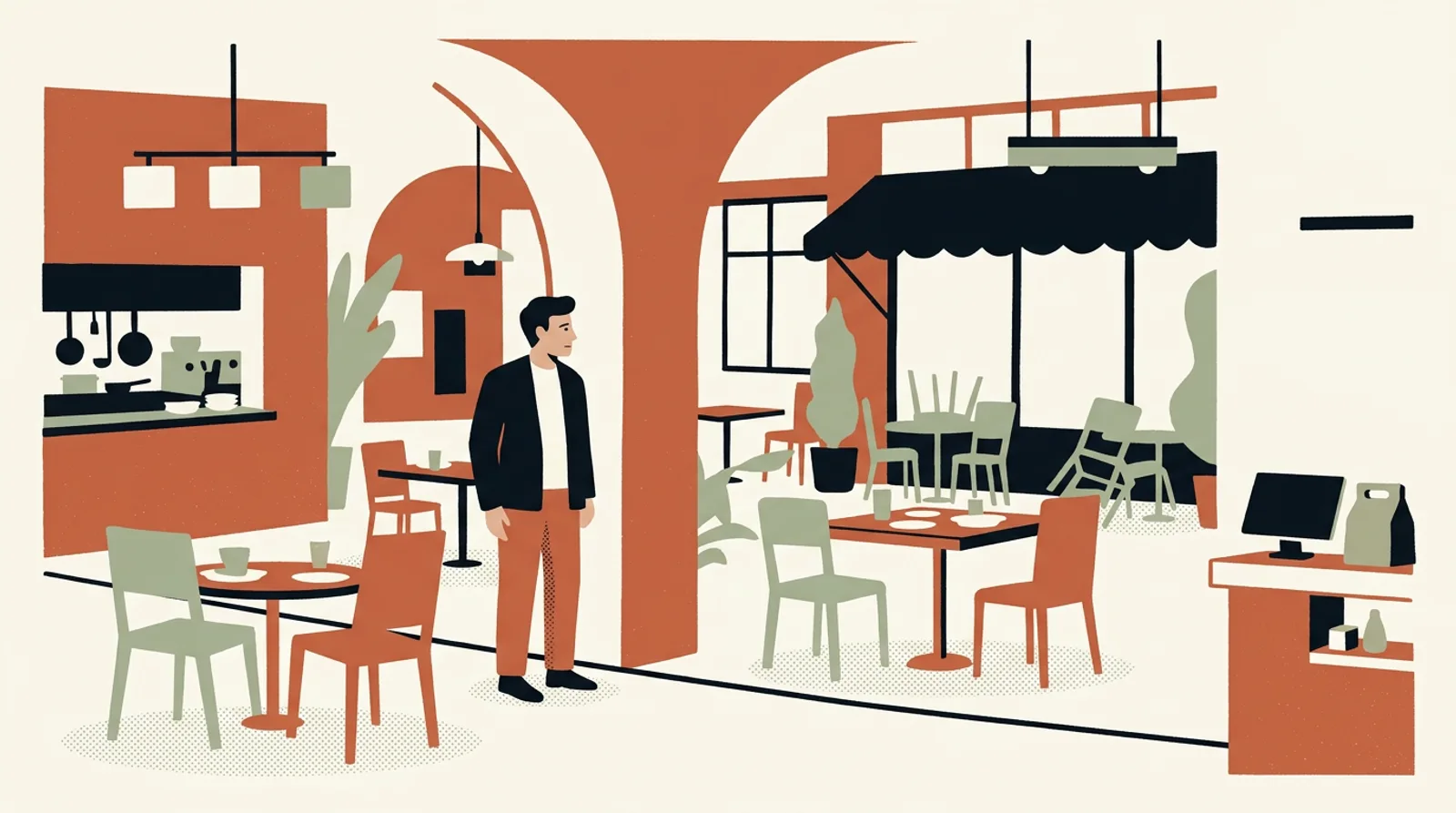
Diagnosis · Read the room

A room that's slipping: reading the right signals

A room emptying out almost never has a single cause. Before touching the menu or the prices, learning to read the right signals — week over week, lunch versus dinner, the words in reviews — changes the diagnosis, and therefore the lever to pull.