Instagram Content Ideas for a Handmade Business
Instagram content ideas for a handmade business: the process-to-product ratio that keeps craft feeds posting for months, from real maker grids.
Instagram content for a handmade business breaks into five recurring types: raw materials and work in progress, the finished piece, the workspace itself, the piece in a customer's hands, and the story behind why it exists. The pattern that decides whether a feed keeps posting for months or quietly stops after three weeks isn't which of these five looks best. It's the ratio between the first type and the second.
Look across handmade and craft Instagram grids — pottery, jewelry, woodworking, leather goods, textiles — and that ratio shows up early, usually inside the first two months of a new account.
Why do some handmade Instagram feeds stop posting after a few weeks?
Accounts still posting weekly six months in run something close to two process posts for every finished-piece post. Accounts that stall almost always default to product-only: every post requires a finished, photographed piece, and a maker does not finish something new every week. The making itself never stops. The shippable, camera-ready result does.
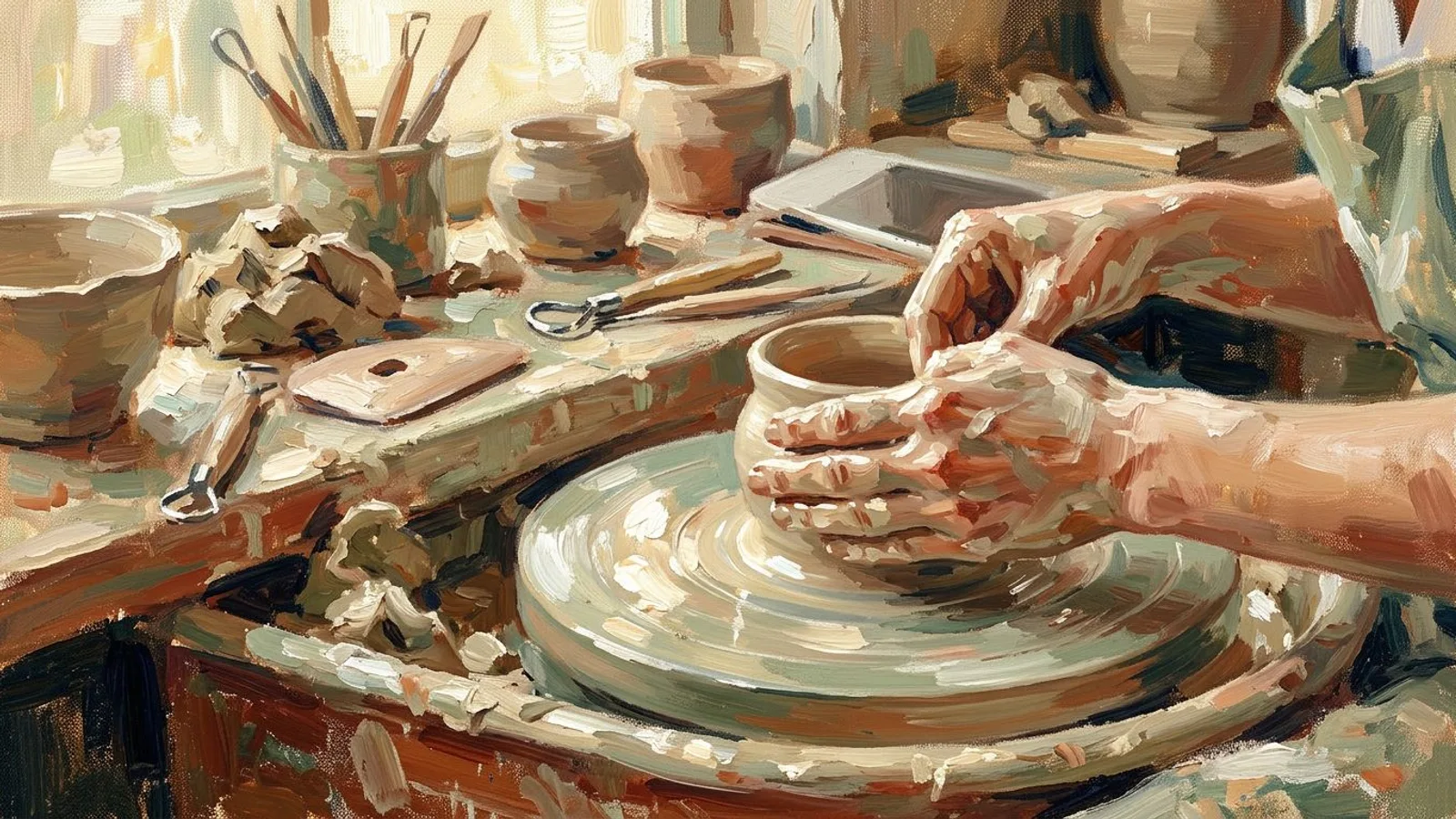
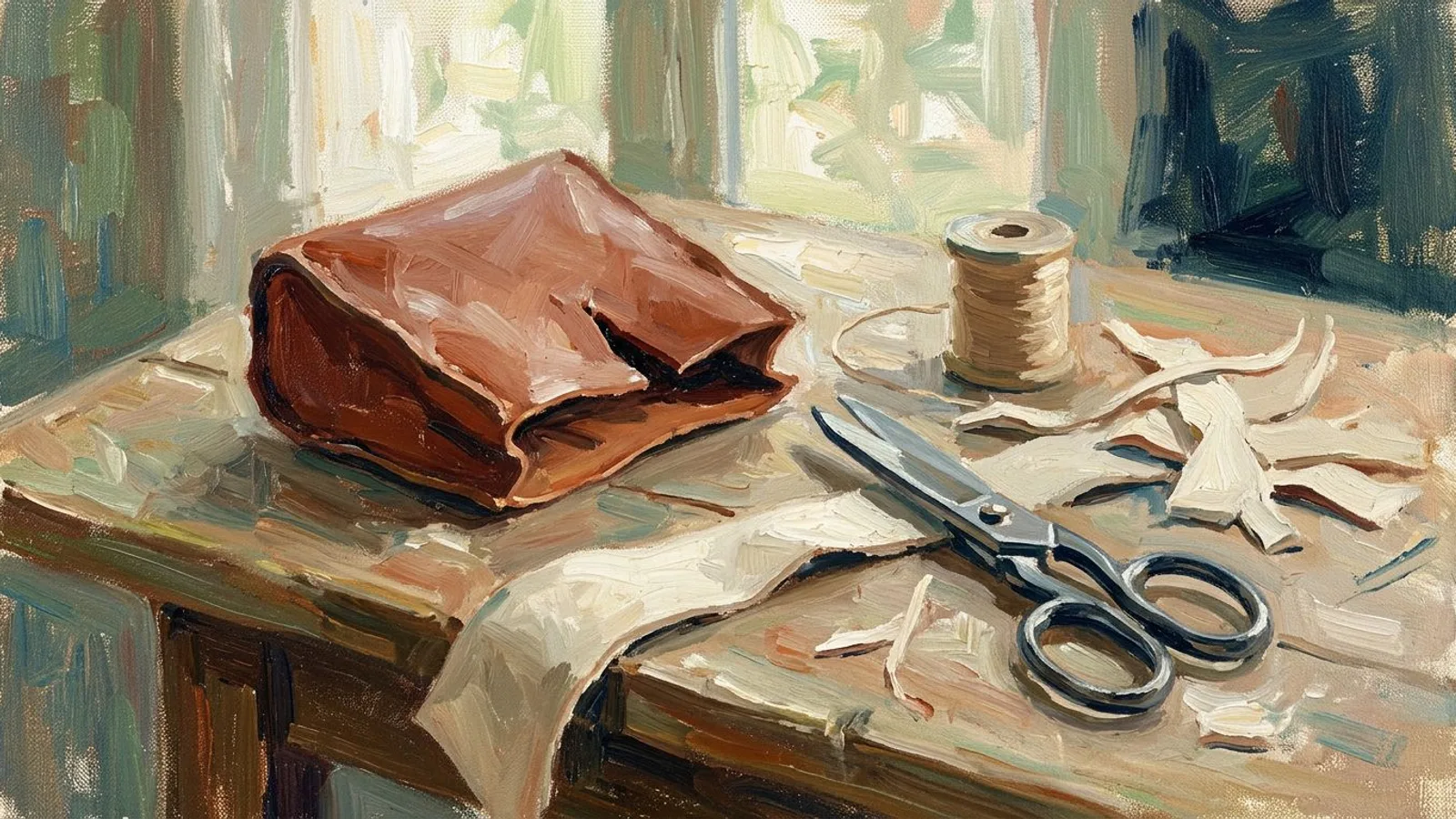
That gap is where posting breaks down. A finished piece sells, ships, or spends three weeks in the kiln. A process photo — clay on the wheel, thread through a loom, a half-cut leather panel — exists every day the work happens. Feeds built mostly on finished pieces run out of material on a schedule set by production. Feeds built on process run out of material almost never, because the material is the work itself, not what comes out the other end of it.
What Instagram content never runs out for a handmade business?
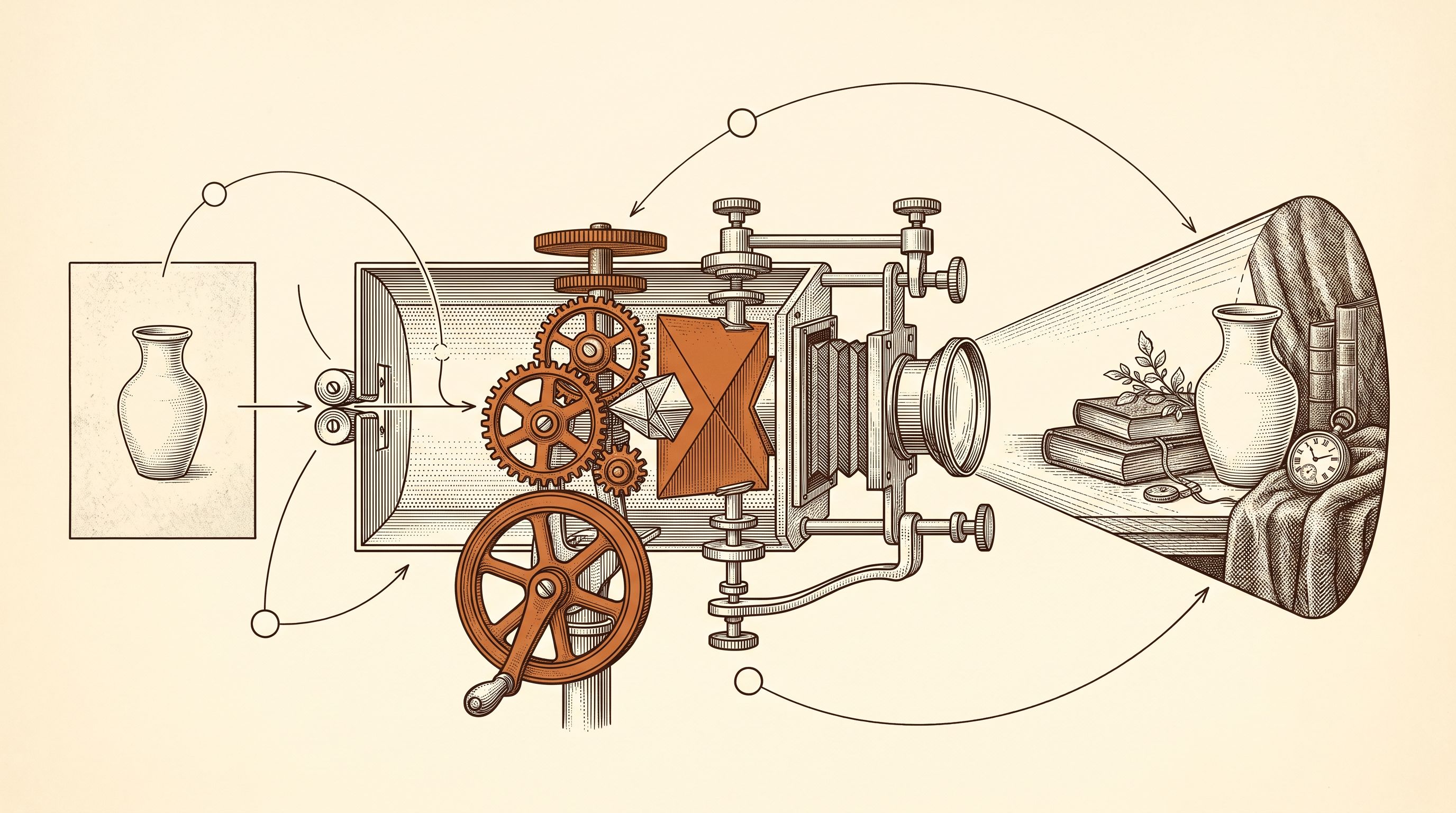
Process material does something a finished-product photo can't: it seeds more than one post. A single work-in-progress set — five minutes at the wheel or the workbench — can carry a caption about the material, a separate one about the technique, a third about the mistake that nearly ruined the piece. A finished-product photo mostly carries one: this exists, here it is.
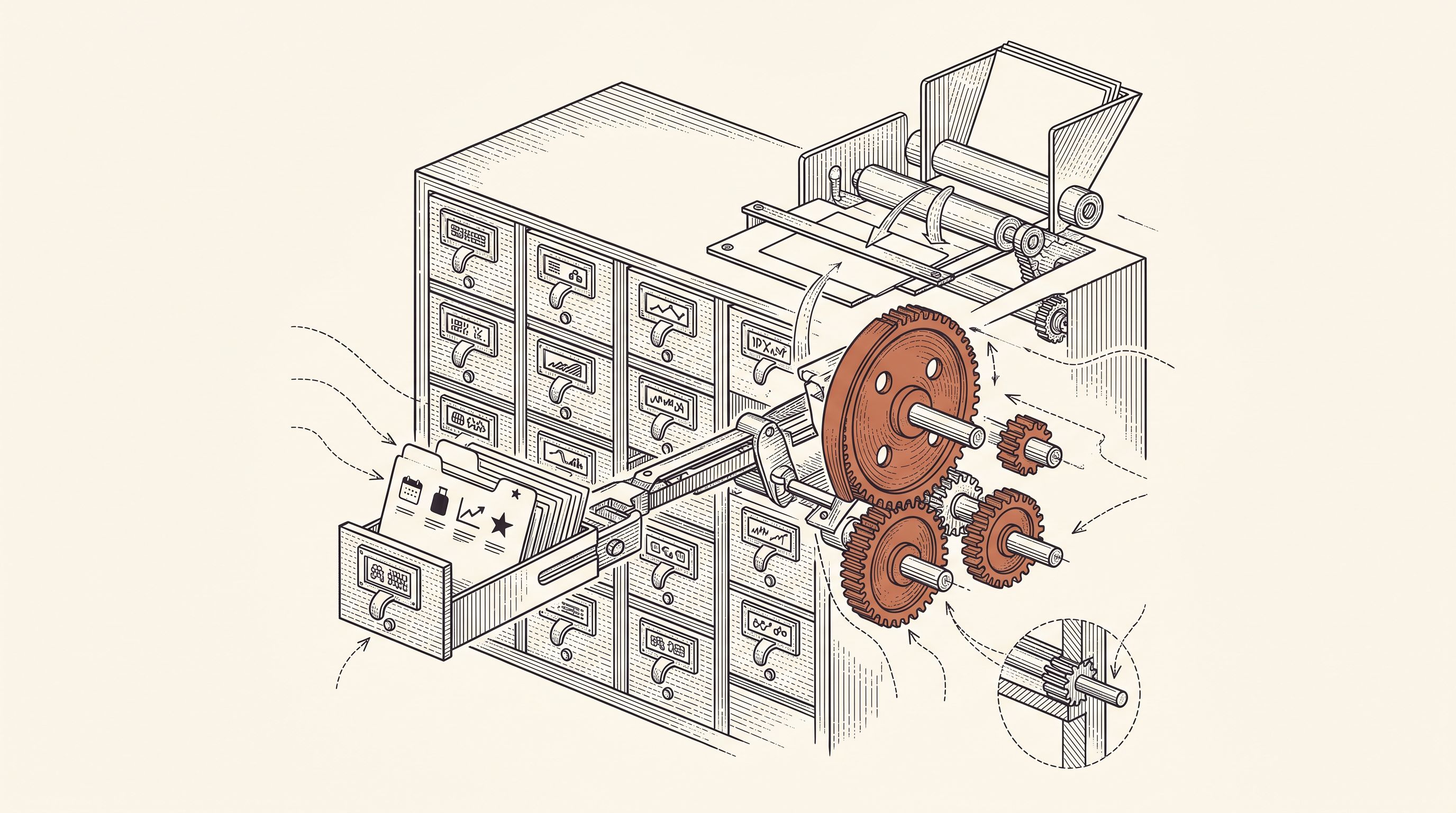
That's worth naming plainly, because it changes what's worth photographing. The moment worth documenting usually isn't the reveal — it's the ten minutes before it, the ones a maker rarely thinks to shoot because nothing is finished yet. Feed that raw material — the photos, the notes, the actual facts of how a piece comes together — into a system built to write from your brand DNA, and one set produces several angles instead of one. That's the same logic behind telling the story behind what you make instead of only posting the result, and it's what a knowledge base built from your own material is actually for.
The moment worth photographing usually isn't the reveal. It's the ten minutes before it.
What gets the most saves and DMs on a craft Instagram account?
Two more patterns hold across the same grids. Workspace shots with hands visible in frame draw more comments than plain product shots — mostly questions about material, time, or technique, the kind of comment that turns into a DM and sometimes a sale. And scarcity-coded posts — one left, made an extra, back in stock — pull saves and DMs at a rate the rest of the feed doesn't match. They work because they're rare. A feed that runs a restock post every day loses the signal entirely.
What Instagram content bucket do most handmade sellers skip?
Customer content — the piece in someone's hands, on their shelf, worn somewhere real — is the rarest bucket in every grid in this set, and the one with the clearest fix. It doesn't require a new piece or a better camera. It requires asking, at the moment of shipping, for a photo back. Most sellers never build that habit, so the bucket stays empty for the life of the account. The ones who do ask rarely stop — turning a shipped order into content is one of the few moves that costs no extra time on the craft side.
How do you turn this into a week of Instagram posts?
None of it requires new inventory. A five-post week built on this ratio looks like three process posts, one finished piece, and one rotating slot for workspace, customer content, or a scarcity post when there's a real one to share. That's a full week without a single new product photographed, because most of the material was already sitting in the workshop before anyone thought to call it content.
It's also why keeping a steady presence on Instagram tends to matter more than any single post: a feed running this ratio has something worth posting most weeks, keeping your work in front of an audience whether or not the kiln has opened. Turn the ratio into Instagram posts generated from what's actually in the workshop, scheduled a week at a time, and the content calendar stops depending on when the next piece happens to be finished.
FAQ
How many times a week should a small handmade business post on Instagram?
Three to five posts is enough to keep a feed active, as long as the mix leans on process content rather than finished pieces alone — otherwise the pace outruns what actually gets made.
Do I need professional photos for handmade Instagram content?
No. Process shots taken on a phone, in the real workspace, tend to outperform staged product photography on comments and saves, because they show real material and technique.
What if I don't have a new product to post this week?
Post the making of the next one instead. Raw material, a tool, a half-finished piece — process content doesn't require anything to be done yet, only for the work to be happening.
Should hashtags be part of the content plan for a handmade shop?
They're a smaller lever than the content mix itself. A feed with the right ratio of process to product outperforms a feed chasing hashtags with the wrong one.
What's the single best content type to start with?
Whatever is happening in the workspace right now. It's the bucket that never runs dry, and the easiest one to build a habit around.