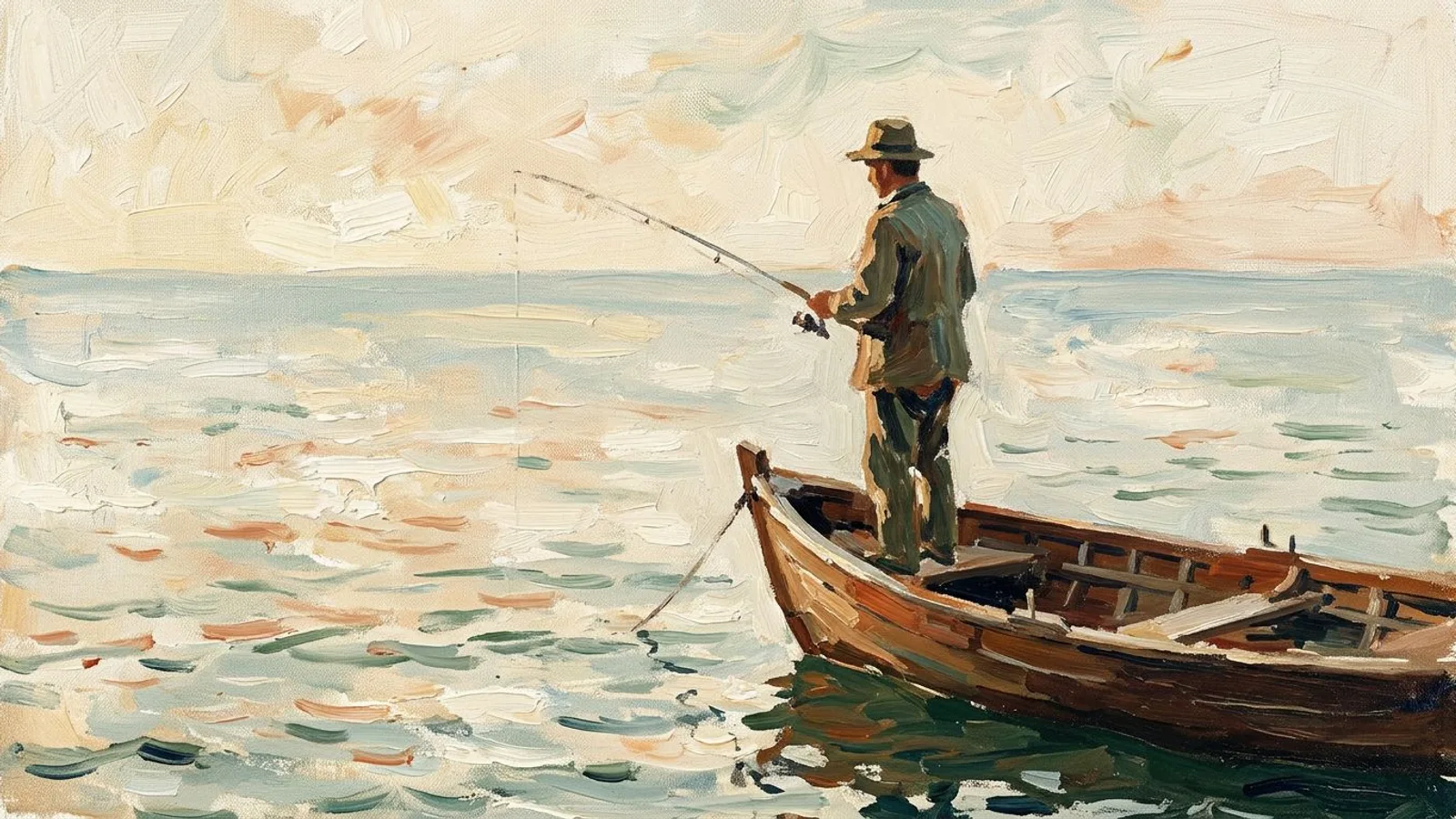
Fishing with a rod next to a trawler
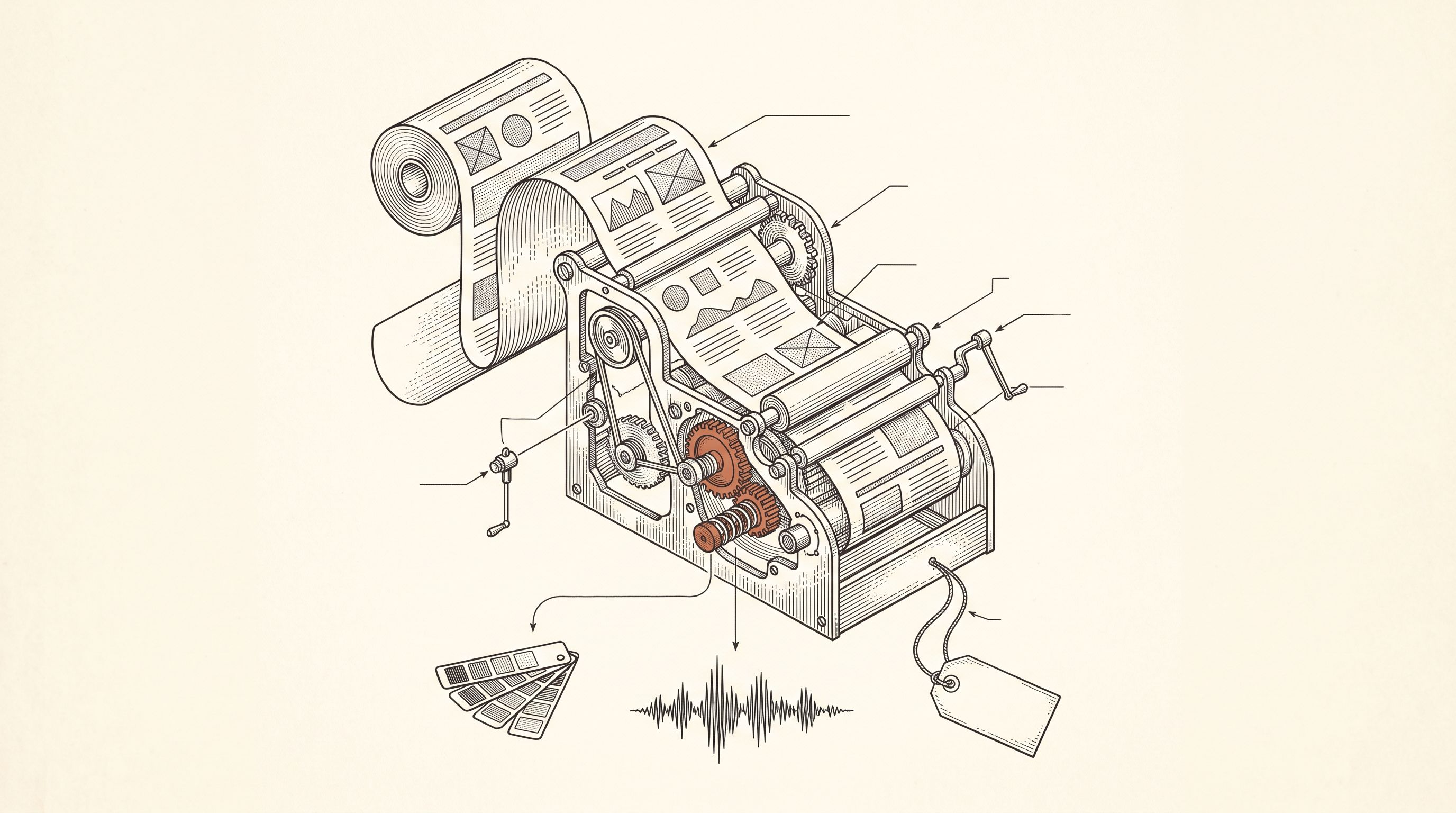
Posting without AI in 2026 is fishing with a rod next to a trawler: same sea, same fish — but one comes home with three, the other fills its hold.
Two boats, the same sea. One fishes with a rod: a line, patience, three fine fish by the end of the day. The other, a trawler, filled its hold before noon. The first isn't a worse fisherman. He just has a rod, and the other has a trawler.
In 2026, writing your posts by hand is holding the rod. Same sea — the feed, the attention, the clients searching. You put out one post on Sunday night, polished, genuinely good. Next to you, a competitor no more gifted than you ships a whole week in twenty minutes and is everywhere. It's not a question of writing talent. It's a question of boat.
The boat is the cadence
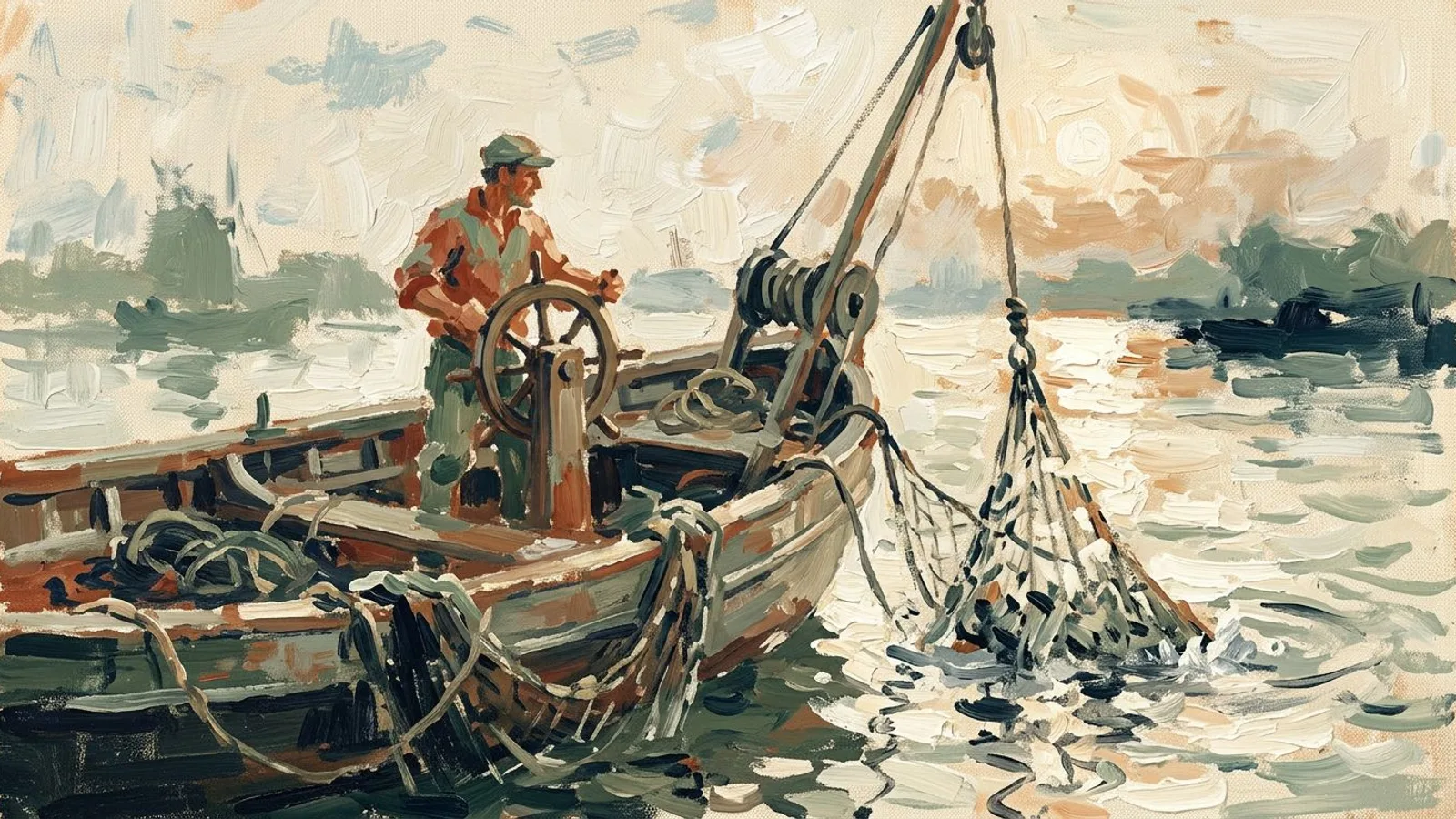
The trawler doesn't fish better. It fishes more, more often, without burning out — and that's the whole difference. While you hunt for the perfect angle on a single post, the other has put out seven, adapted to each network, scheduled for the week. You're playing the quality of one catch; he's playing the volume of the hold. And on social, it's steady volume that decides who exists — not the beauty of a lone fish no one will see swim by.
Your perfect post loses to their presence
You can be the best caster in the bay: you still come home with three fish. And three fish a month feeds no one. Look at what actually plays out on the other side of the net:
- The feed rewards what comes back. An account that posts every week sends a signal of presence; one that wakes up once a month sends the opposite.
- The client checks you before coming. They land on your last post from five weeks ago and wonder if you're still running. The competitor posted yesterday.
- Even the AIs that recommend draw from volume. No regular content, nothing to cite when someone asks for "a good plumber nearby."
Three times over, presence wins, not perfection. Not because it's prettier. Because it's there.
Presence wins, three times over — not because it's prettier, but because it's there.
"I don't have time to run a trawler"
It's the opposite. The rod eats your evenings; the trawler lowers the net on its own. Your work doesn't vanish, it changes nature: you stop rowing, you steer. Twenty minutes a week to look over the catch, throw back what's off, keep what sounds like you. The time you spent writing, you now spend deciding — and deciding is ten times faster than writing.
But a trawler that hauls up anything is useless
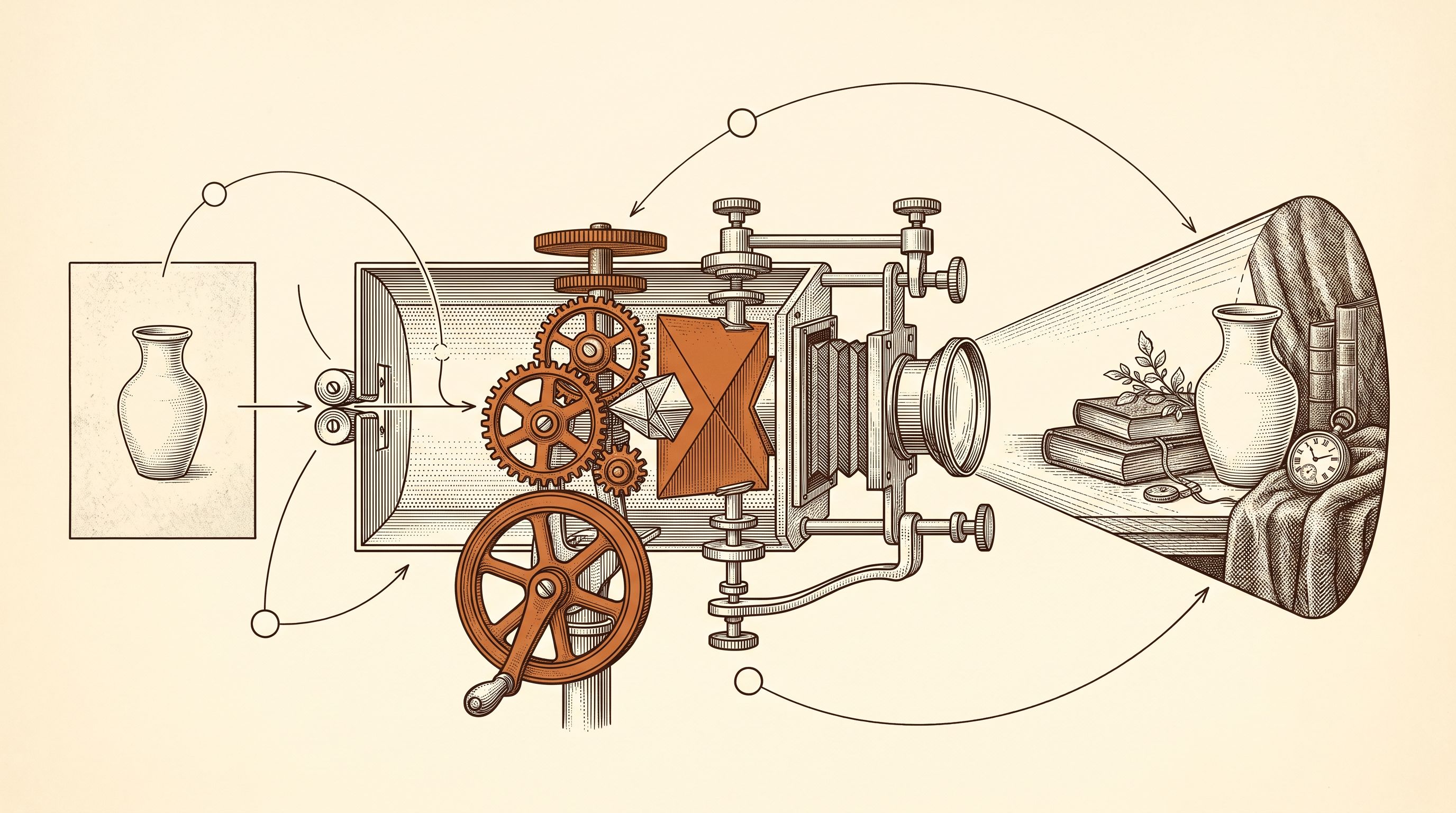
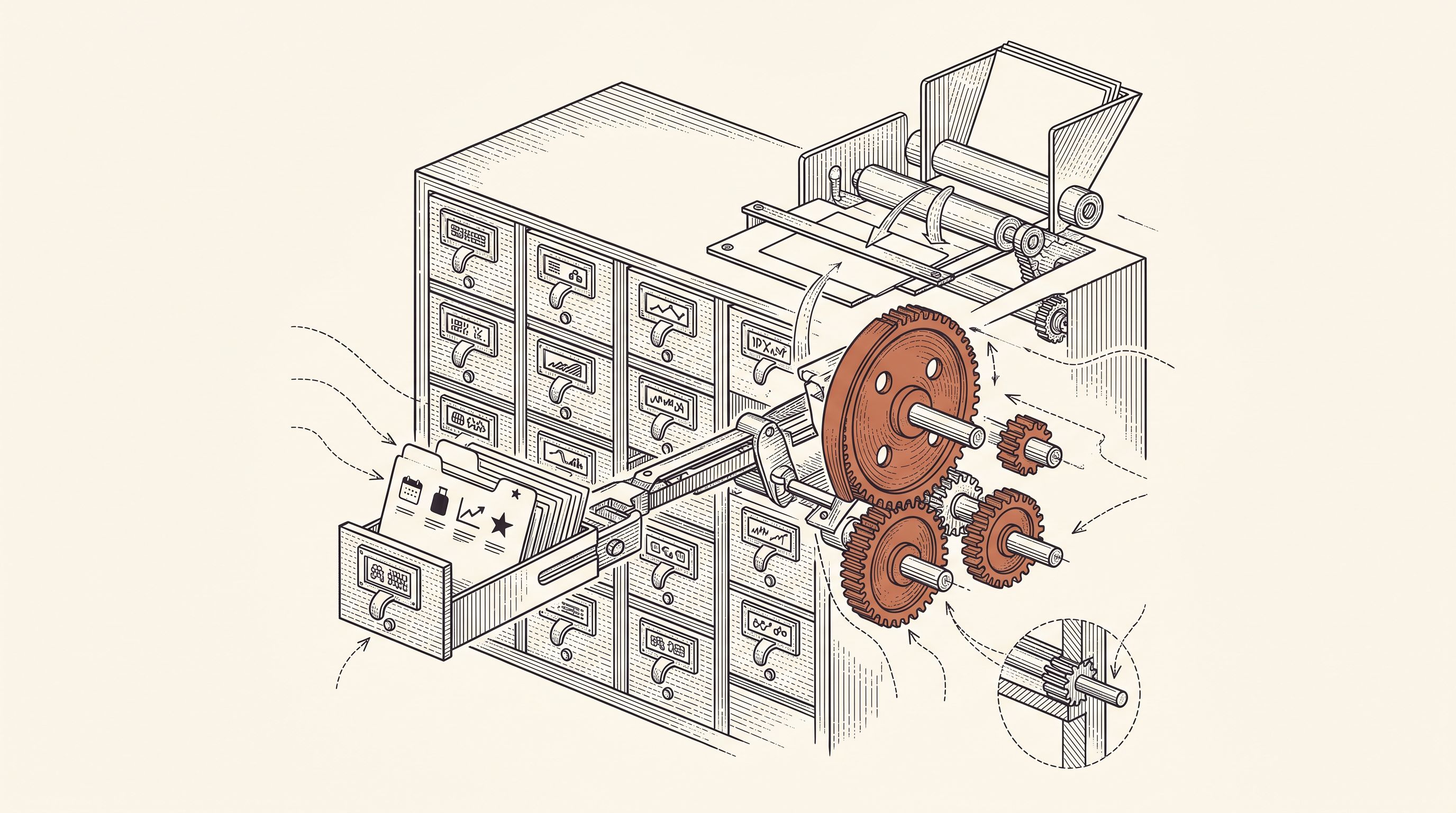
That's the trap on the other side: a trawler that brings up everything — old boots, plastic, seaweed — doesn't feed you any better. That's the generic an AI produces when it's let loose without context: volume of nothing, that the feed and your clients throw straight back. The point was never to haul more of anything. It's to haul your fish — content that sounds like you, because the AI read your real material (your site, your work, your words, your client stories) and not the average of the web. Volume, plus your voice. The trawler set on your waters.
The question is no longer the rod or the trawler
That one, the decade settled. The real question is: a trawler that hauls your catch, or one that dredges scrap? Fishing with a rod in 2026 isn't craftsmanship. It's choosing the rod, on purpose, in a sea full of trawlers — and coming home each night with three fish while you watch the others' holds fill up.