How to Promote Your Art on Instagram
Learn how to promote your art on Instagram with a repeatable system for profile clarity, artwork posts, captions, and a clear next step.
To promote your art on Instagram, make your profile clear, give every post one promotion job, explain the work in specific captions, and keep a visible path to your portfolio or available pieces. Prepare those posts as a repeatable sequence so regularity does not cost you studio time.
That answer sounds simple. Most advice becomes less useful when it mixes profile settings, content formats, networking, and sales into one long checklist. The practical question is narrower: what must your Instagram presence help a potential viewer understand, remember, or do?
What do current guides agree on?
For this analysis, five English-language guides surfaced for the target query in US search were reviewed in August 2026: AGI Fine Art, Constant Contact, Contemporary Art Issue, UpGrow, and Artistic Masterclass. Their tactics vary, but six patterns recur.
| Repeated recommendation | Guides mentioning it |
|---|---|
| Define the artist, medium, or style clearly | 4 of 5 |
| Show process or context beside finished work | 5 of 5 |
| Use captions to explain the work | 4 of 5 |
| Give visitors a path to a site, shop, or commissions | 4 of 5 |
| Interact with artists, viewers, or the local art scene | 5 of 5 |
| Review performance and adjust | 3 of 5 |
The overlap matters more than any isolated tactic. Promotion is not one clever post. It is a chain: the right person recognizes the work, understands why it is distinctive, sees that you are active, and knows what to do next.
This also reveals a gap in the usual advice. A finished piece is treated as the content unit. In practice, it is only the source material. The useful unit is the job a post performs.
What job should each art post perform?
Give each post one primary job. A post trying to introduce your style, explain the process, announce availability, and ask for a commission at once usually gives every point too little room.
Identification posts help the right viewer name what they are seeing. State the medium, subject, series, or place that makes the work findable and understandable. “Oil on canvas” is accurate but thin. “A coastal oil study built from winter light in Donegal” gives the viewer useful handles.
Decision posts reveal one artistic choice. Show a close crop and explain why a hard edge became a wash, why a color was removed, or why the final composition left an area quiet. This is not a generic behind-the-scenes update. It teaches the viewer how to look at your work.
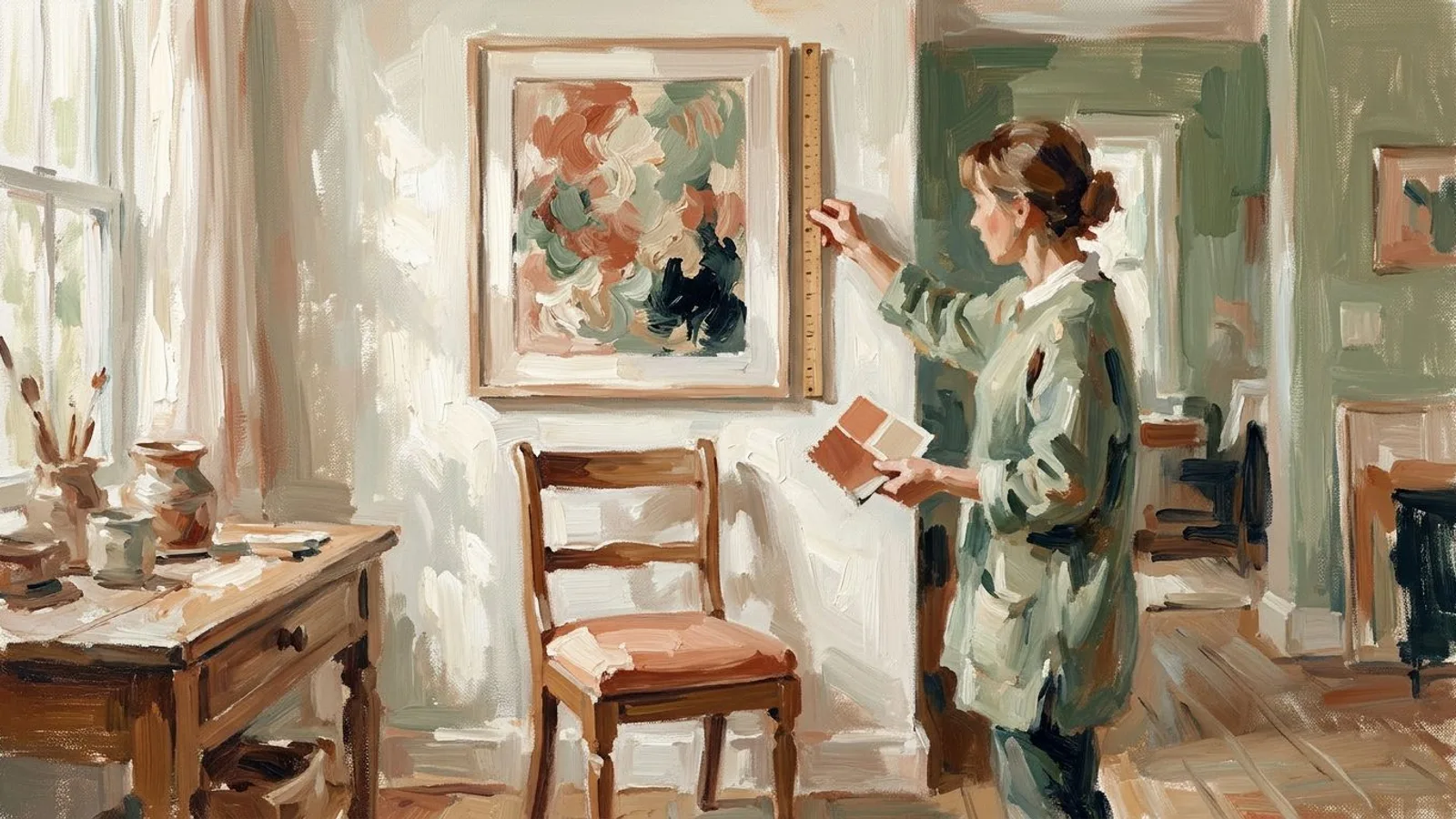
Context posts show scale, setting, or use. A framed piece above a chair answers a different question from a clean studio photograph. A hand beside a small ceramic object makes its size legible. If your page feels like unrelated samples, the guide to diagnosing a feed with no identity helps you decide what should remain visually consistent.
Action posts make the next step unambiguous. Say whether the original is available, whether prints exist, when commissions reopen, or where the full series lives. Ordinary caption links are not normally clickable, so point to the destination already available from your profile rather than pasting a dead URL into every caption.
The finished artwork attracts attention; the decisions behind it give people a reason to remember it.
The finished artwork attracts attention; the decisions behind it give people a reason to remember it.
How can one artwork support a repeatable sequence?
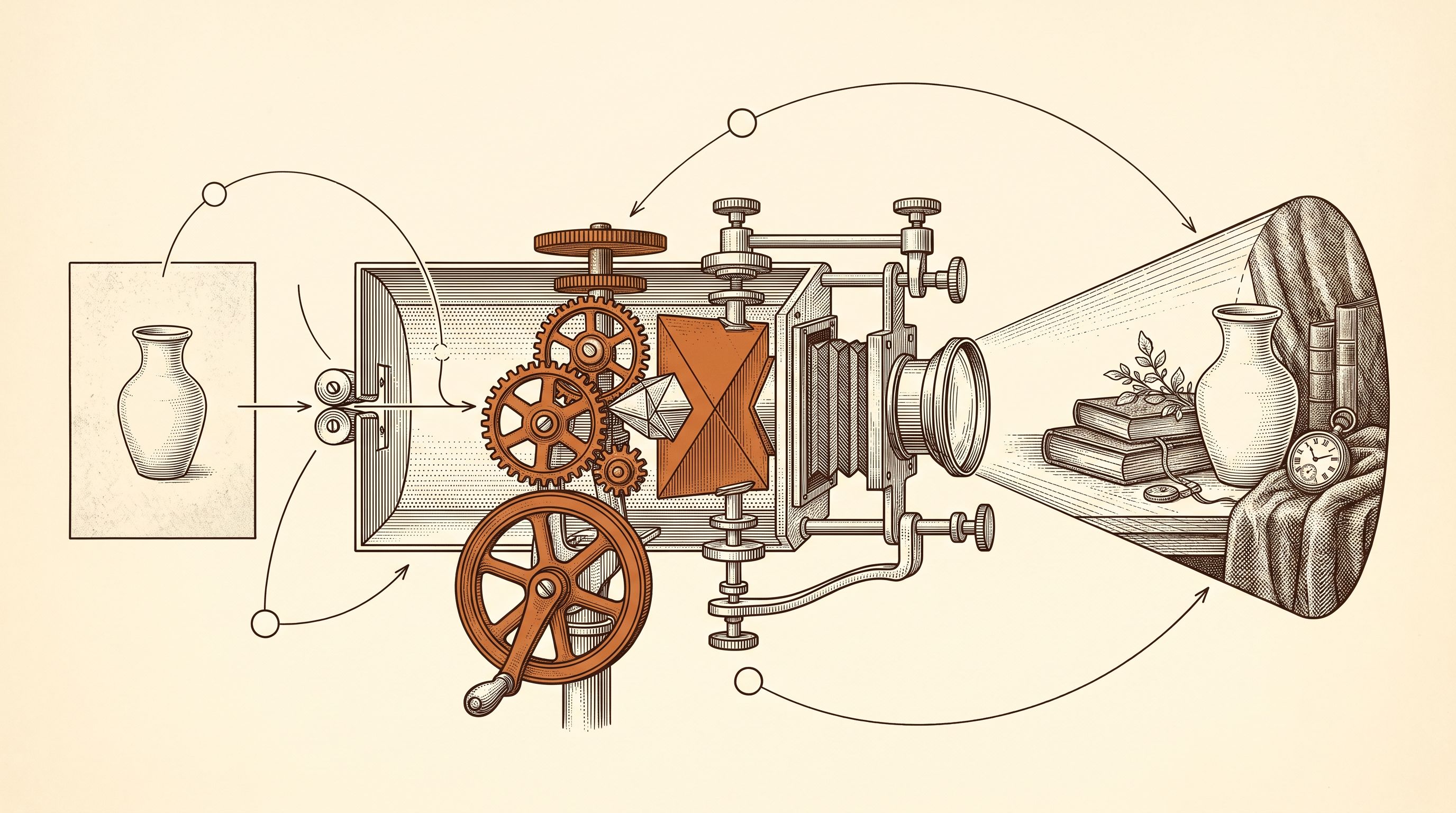
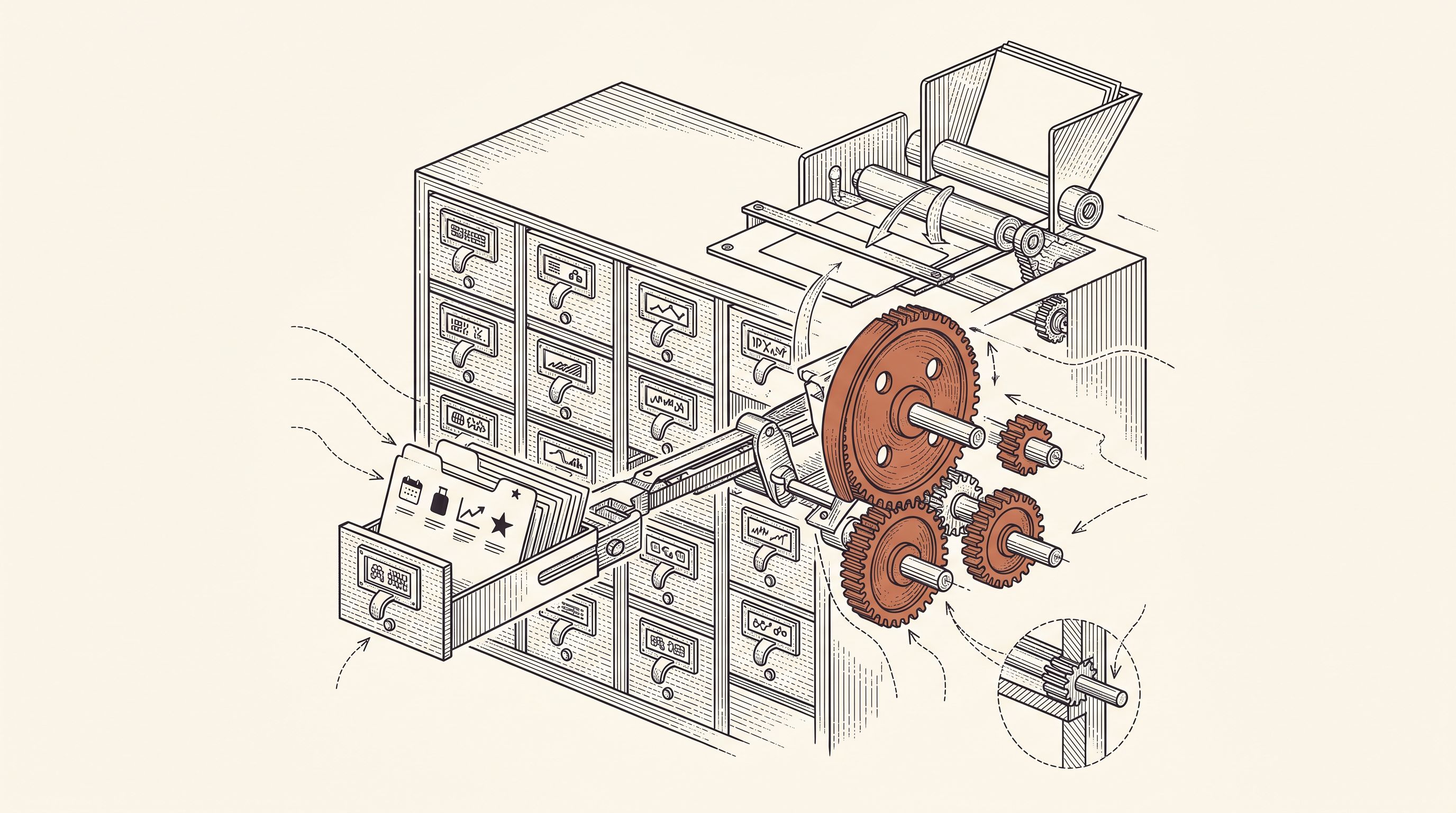
Start with an artwork record, not an empty caption box. Save the title, medium, dimensions, one material detail, one decision made during the work, one close photograph, one contextual photograph, and the current availability. Add the language you naturally use when discussing the piece with a buyer or another artist.
That record can support several distinct posts without pretending that you made new work. One post identifies the piece. Another examines a material choice. A third shows scale. A fourth places it within the larger series. A final post makes availability clear. The images and captions change because their jobs change.
A recurring failure appears when a content system receives only the finished image. The captions cluster around “new piece,” a decorative adjective, and a broad question. Give the system the material, decision, context, and availability instead, and the drafts have something specific to say. The missing input is not more enthusiasm. It is a record of the work.
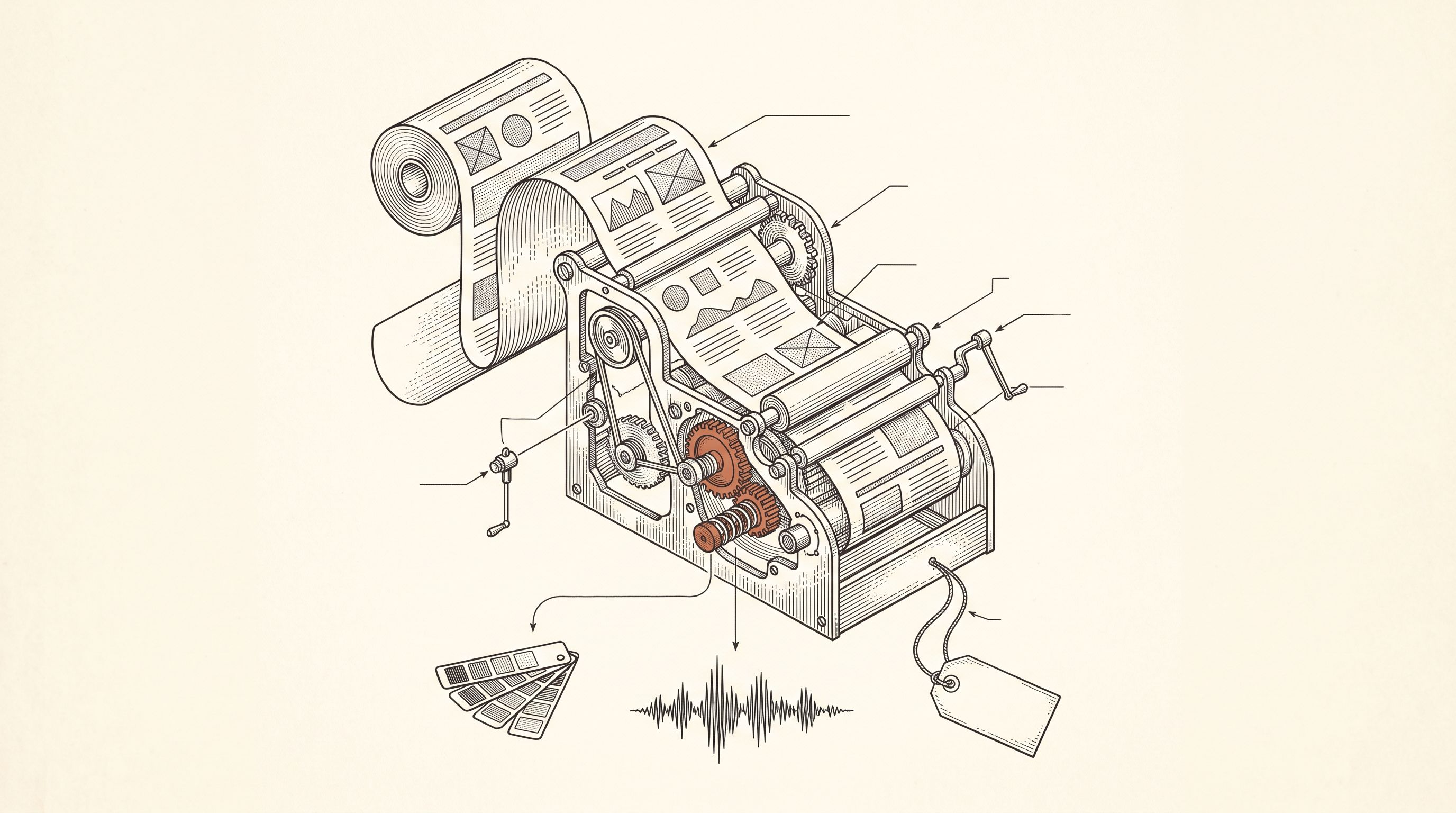
This is where an artist can use a system that creates Instagram posts tuned to the work and brand. Batch the sequence while the details are fresh, review every factual line, and schedule the approved posts. Regularity and care can coexist because you are reusing documented material, not lowering the standard.
What should stay manual?
Keep the parts that require current judgment in your hands. Update your profile description and destination when your availability changes. Reply to thoughtful comments and messages yourself. Confirm price, dimensions, shipping, commission terms, and exhibition dates before a post is scheduled.
Review generated captions for interpretation as well as facts. A sentence may be technically correct and still overstate what a piece means. Replace vague praise with your own vocabulary. For example, change “bold and emotional” to “built from thin umber layers and one opaque blue passage” if that is how you would discuss the work.
If prints are the offer, promotion also needs buyer information. The article on making art prints buyable on Instagram explains why size, finish, price, and destination must not stay hidden behind the image.
How do you know whether the system is working?
Choose measures that match the job of each post. For identification posts, watch profile visits and the search terms people use when they find you, where available. For decision and context posts, compare saves, shares, and substantive comments with your own recent baseline. For action posts, record profile-link taps, inquiries, commission requests, or visits to the named collection.
Do not borrow a universal engagement benchmark from a large creator account. Compare like with like across your own work. After a month, ask which post jobs create useful movement and which produce only passive likes. Keep the underlying artwork record, adjust the angle, and prepare the next sequence.
The aim is not to make every artwork perform equally. It is to give every piece a fair promotion system: clear identity, enough context to understand it, repeated visibility, and an honest next step.
FAQ
How often should an artist post on Instagram?
There is no universal number. Choose a regular cadence you can prepare in batches without weakening the images or captions. A scheduled week of specific posts is stronger than bursts followed by long gaps.
Should every Instagram post show finished art?
No. Use detail photographs, materials, progress stills, studio context, framing, and scale when they help someone understand the finished work. Each image should have a distinct purpose.
What should an artist write in an Instagram caption?
Name the work, add one concrete decision or material detail, explain why it matters, and state the relevant next step. Remove any sentence that could describe thousands of other artworks.
Do artists still need hashtags on Instagram?
Use a small, relevant set if it accurately describes the medium, subject, location, or community. Hashtags can label the post, but they cannot replace a clear profile, specific captions, regular publishing, or real interaction.
Can you promote art on Instagram without showing your face?
Yes. Show the work, your hands, tools, materials, studio details, framing, and installed scale. The account still needs a recognizable point of view, even when your face is absent.