Instagram post ideas for businesses, ranked
Instagram post ideas for businesses, ranked by what each costs to execute. We timed 22 of them: the spread was twenty to one, and the popular ideas cost most.
The best Instagram post ideas for a business are the ones that already name their own material: a job you finished yesterday, a question two customers asked this week, an object sitting on your shelf. The ideas that only name a format — behind the scenes, meet the team, a quote card — leave four or five decisions unmade, and those decisions are why they stay saved and never get published.
We wanted to know how wide that gap really is, so we timed it.

The test: 22 recurring ideas, one stopwatch
We collected the Instagram post ideas that repeat across the guides ranking for this search, removed the duplicates, and ended up with 22 distinct ones. Then we drafted a publishable post from each — one image, one caption — under a single rule: nothing invented. Every post had to be built from material a small business already has, on its phone or on its site.
Our starting assumption was that the times would cluster. Some ideas would take ten minutes, some twenty, and the list would come out roughly flat.
It was not flat. The fastest ideas took two to four minutes. The slowest ran past forty, and two were never finished at all. These are our timings on our own material, so treat the minutes as illustrative. What transfers is the order, and the order held every time we ran the list again.
Why a good idea still does not become a post
The cost of a post idea is the number of decisions it leaves you to make.
"Share a behind-the-scenes moment" reads like an idea. It is not one yet. Before anything can be published you still have to choose which moment, on which day, showing what, proving what, and why a customer would care. Five decisions, all yours, all taken at the worst possible moment: the evening you set aside to catch up on posting.
"Post the answer to the question you were asked twice this week" is one sentence long and carries none of that weight. The subject is chosen. The proof is chosen. The photo already exists, because you were doing the thing when someone asked.
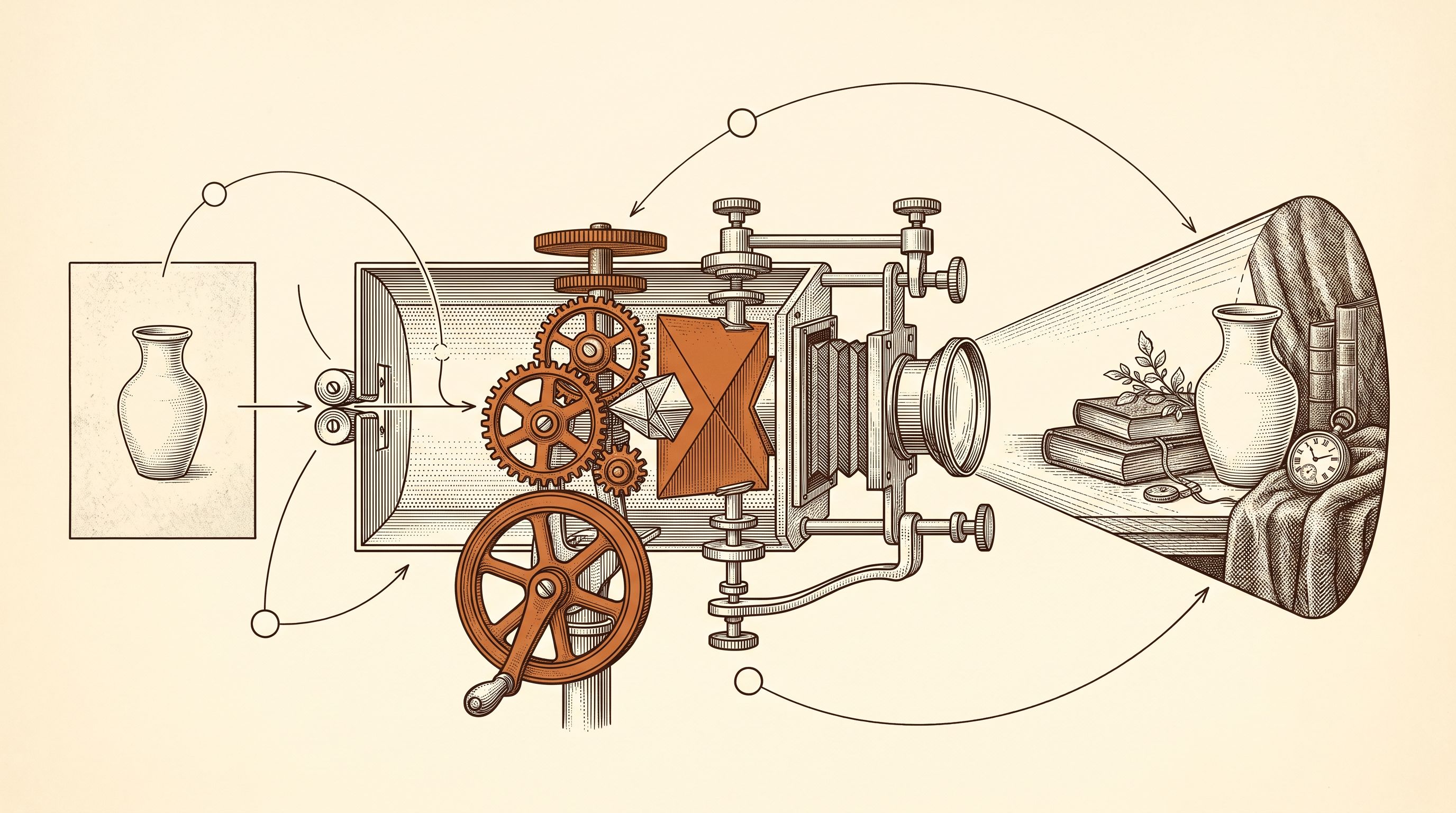
That is also the mechanism behind generic idea lists. A list has to work for a florist, a physio and a hardware shop at once, so it cannot name anything specific to any of them. What survives that constraint is the format — the container, never the content. You can watch the same effect in any AI assistant in thirty seconds: ask for "a behind-the-scenes post for my business" and you get a shape with blanks in it. Add one sentence about what you actually did yesterday and the output changes completely. Thin input, average output. It is the same reason an assistant that writes Instagram posts from your own site lands closer than a blank prompt: it starts from specifics instead of inventing them.
The cost of a post idea is the number of decisions it leaves you to make.
The cheapest ideas, and what to post this week
These came out at the top of the list every time, because each one names its own source:
- The question two customers asked this week, answered in full.
- The thing you repaired, adjusted or remade, with the decision you took.
- The order that went out today, photographed as it left.
- The criterion people get wrong when they choose between two of your products.
- The material or tool you picked over a cheaper one, and why it costs more.
- The first or last of something this season, when the change is visible.
None of these is a lower-effort version of a better post. They read stronger on the page, because a specific carries its own proof: a photo of the actual repair beats a staged process shot every time, and it took a fraction of the effort. That is the part the guides get backwards. Cheap here does not mean modest. It means the decisions were already made by the work itself, which is exactly where the ideas that get posted come from.
The expensive end of the list was more interesting. "Meet the team" needs a session and a paragraph per person before anything exists. "Share an inspirational quote" is fast to produce and expensive to own, because nothing in it belongs to you. And the customer testimonial never finished at all: its cost is not decisions, it is dependency. It sits in someone else's inbox and your calendar waits.
What did not work
Two things went against what we expected.
The first was quality. We assumed the fast ideas would look thin next to the more produced ones, and that we would be trading standard for speed. The opposite showed up: the posts built from a named specific were the ones we would publish, and several of the slow ones were competent and completely anonymous. Speed was not the variable. Specificity was, and it happened to be free.
The second was batching. We set aside a block to knock out five format-shaped ideas in one sitting, expecting the cost to drop once we were warmed up. It did not. Batching works beautifully on ideas that already name their source — you photograph three finished orders in the same five minutes — and does nothing at all for the others, because each still demands its own decision, and decisions do not batch. A block of time is not the fix for an unmade decision. Naming the specific is.

The two questions before an idea enters your calendar
What specific does this idea name? And does the asset for it already exist?
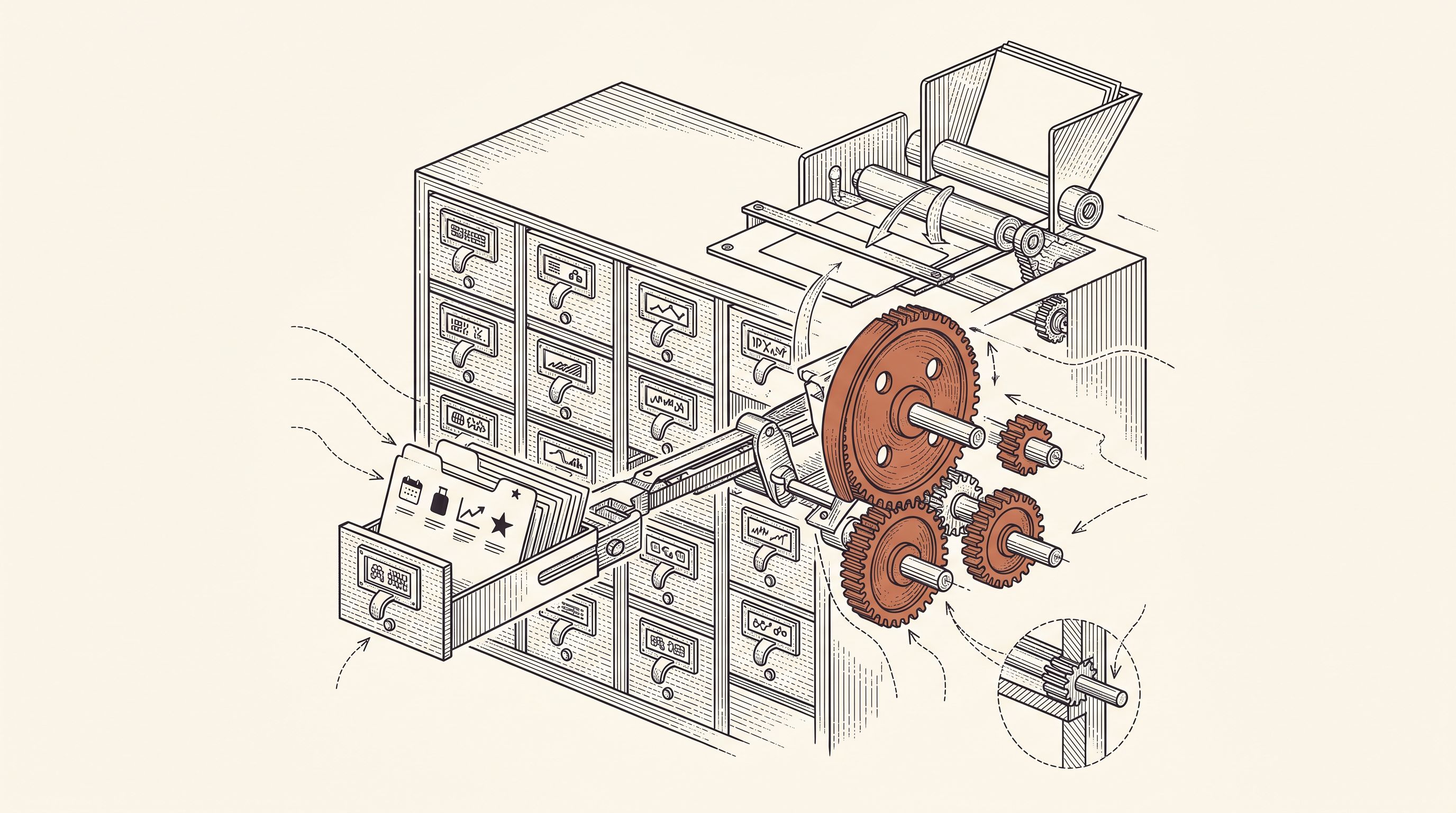
If either answer is "I will figure that out later", it is not an idea yet. It is a task, and it belongs on a different list from the one you post from. This is the column missing from most planning tables, and it is the one that decides whether a row ever becomes a post.
Open your saved ideas tonight and run those two questions down the list. What survives is next week's calendar, already sorted by what it will cost you on the day. What does not survive was never an idea competing with the others — it was a small project sitting in the same list, quietly making the whole thing feel impossible.
FAQ
How many Instagram post ideas does a small business need?
Fewer than the lists suggest. Five or six recurring ones, each naming a source you refill by working — a repair, an order, a question, a restock — will carry a year of posting. The shortage is never ideas. It is specifics you forgot to capture.
What do you post when nothing happened this week?
Something did. Someone asked you a question, you chose one material over another, you sent an order out. A week with no announcement still has three or four decisions in it, and each is a post.
Are generic Instagram post idea lists useless?
No, but they are checklists of formats, not plans. Use them to spot a container you have never tried, then sort them by cost before anything enters your calendar.
How often should a business post on Instagram?
At the cadence your specifics can supply. Two posts a week that name something real beat five that name a format, and the cheap ideas are what make the higher cadence survivable at all.