Instagram post ideas for business: what lasts
Instagram post ideas for business, sorted by what lasts: which ideas refill from the work itself every week, and which run out once the staging stops.
The Instagram post ideas that keep a business posting all year share one property: the raw material is a byproduct of the work. A job finished on Tuesday, a repair, a question answered twice at the counter, an order that had to be packed again. The ideas that stall need an event staged before they exist — a team portrait, a workspace tour, a customer agreeing to pose. Same list, two species, and almost nobody sorts them.
Below, the objections that come back every time that gets said out loud.
"I already have forty ideas. Why do only six get posted?"
Owner: I keep a note with about forty ideas in it. I have posted maybe six. Handing me thirty more is not going to change anything.
Editor: That is the right objection, and it is why most of these lists are useless. So test it on your own note. Mark the six you posted, then check one thing about each: did the photo exist before you chose the idea, or did choosing the idea create a task?
Owner: The six were things I already had on my phone.
Editor: That is the whole difference. The other thirty-four are not harder ideas. They are ideas that ask you to go and make something first, in a week that is already full. That is a supply problem, not a discipline problem, and no quantity of new ideas fixes it.
Sorting by what each idea costs to execute is the other useful cut. Cost and supply together explain most of what stalls in a saved list.
What makes an Instagram post idea last more than a month?
Editor: One question, asked of every line: does the material appear because you did your job, or only because you staged it?
Ideas of the first kind refill themselves. The job you finished. The thing that arrived damaged and what you did about it. The question a customer asked before buying, for the third time this month. The offcut. The supplier who changed a product, and what that changes for the client. You were going to do all of that anyway. The post costs a photo and four sentences.
Ideas of the second kind need a production before they exist. The team portrait needs everyone in the same room. The workspace tour needs a tidy workspace. The customer feature needs someone else to say yes.
Owner: So your advice is "post your work". Every guide says that.
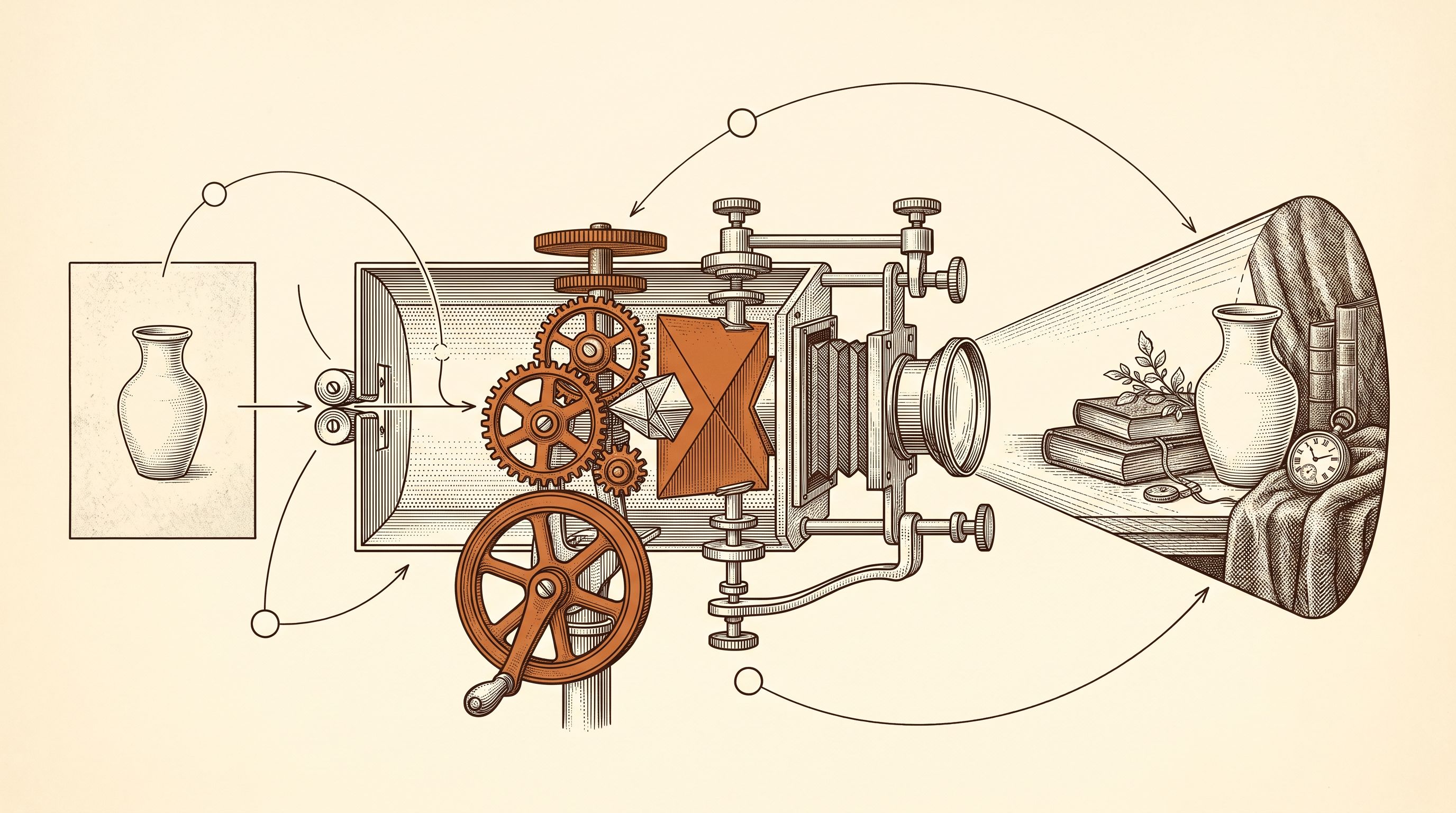
Editor: No. "Post your work" is the same mistake in a friendlier voice. It names a category, and a category cannot be posted. "A finished job" is a category. "The tile that had to be cut three times because the wall was out of square by four millimetres" is an idea. The naming is the work. A category leaves you standing in front of your own business, deciding from scratch, every single week.
The ideas that survive are the ones whose material would exist this week even if Instagram went dark.
Why does "behind the scenes" never get posted?
Owner: It is on every list. I have never once posted it.
Editor: Because on those lists it is written as a production. "Take your followers on a tour of your workspace" is a shoot you have to schedule. Rewrite each line as something that has already happened, and the same idea changes species:
- Behind the scenes → the step you redid today because the first attempt was wrong.
- Meet the team → the decision someone made this week, and why it went that way.
- Customer testimonial → the sentence a customer said at pickup, typed the way they said it.
- Product feature → the question that comes up before every purchase, answered once, properly.
- Tips and tricks → the mistake you fixed for someone this week, and what caused it.
- A day in the life → the part of the day nobody outside the trade knows is part of the job.
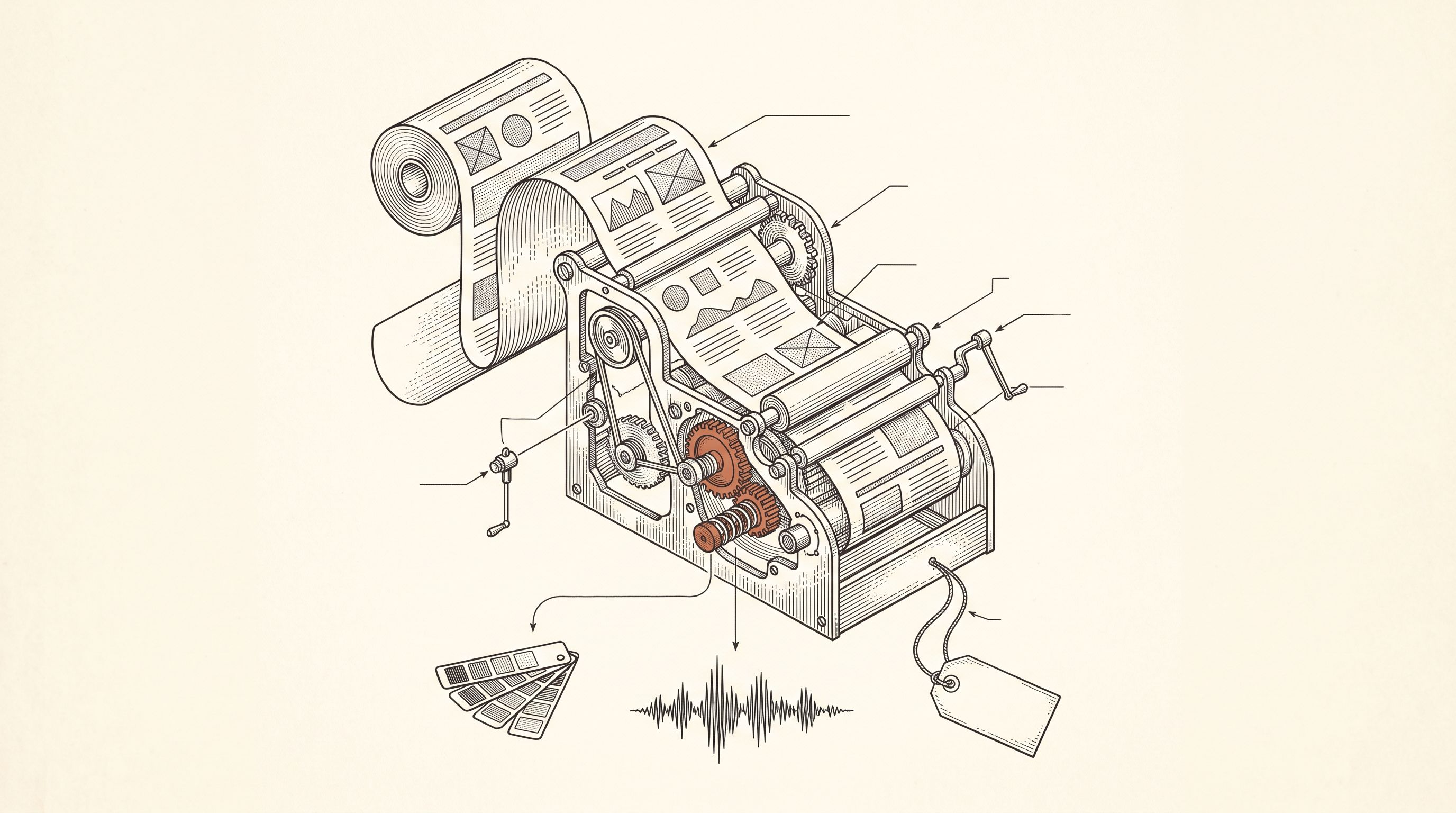
The rewrite is not cosmetic. It moves who has to act before the post can exist: from you, to the week you were going to have anyway. It is also the sort that decides whether a tool that turns a brand's own material into Instagram posts hands back something publishable, or hands the staging back to you.
What about launches, anniversaries and team posts?
Owner: So I bin them.
Editor: No. You budget them. Write down every real event coming in the next twelve months — a launch, a season opening, a new hire, a move, a collaboration, the anniversary. The list is short enough to fit on one line, and that is the point. These posts carry weight precisely because they are staged, and staging is worth it when there is something to stage.
Owner: And in February, when there is nothing?
Editor: In February you spend byproducts, not events. The calendars that break are the ones that burn the team portrait in a quiet week because nothing else was written down, then arrive at an actual launch with the shelf empty.
How many Instagram post ideas does a business need?
Owner: Give me a number.
Editor: Six, if they are the refilling kind. Six ideas run weekly cover a year of posting, because the idea repeats and the material never does. The mistake in every list of thirty is that it treats an idea as something you consume once.
Owner: People will notice it is the same six.
Editor: They notice repeated subjects, not repeated structure. Nobody following your account holds a mental model of your content pillars. They see a tile that was cut three times, then a glaze that changed, then an order that went out on a Friday. That reads as a business working, not as a rotation.
Owner: And if I ask a chatbot for thirty ideas anyway?
Editor: You will get thirty. Read them as a diagnostic rather than a plan. Any line that comes back as an instruction — "share a photo of your workspace", "highlight a happy customer" — had nothing specific to attach itself to, so it handed the staging back to you. The lines that come back naming a concrete thing already have material behind them. Those are your six.
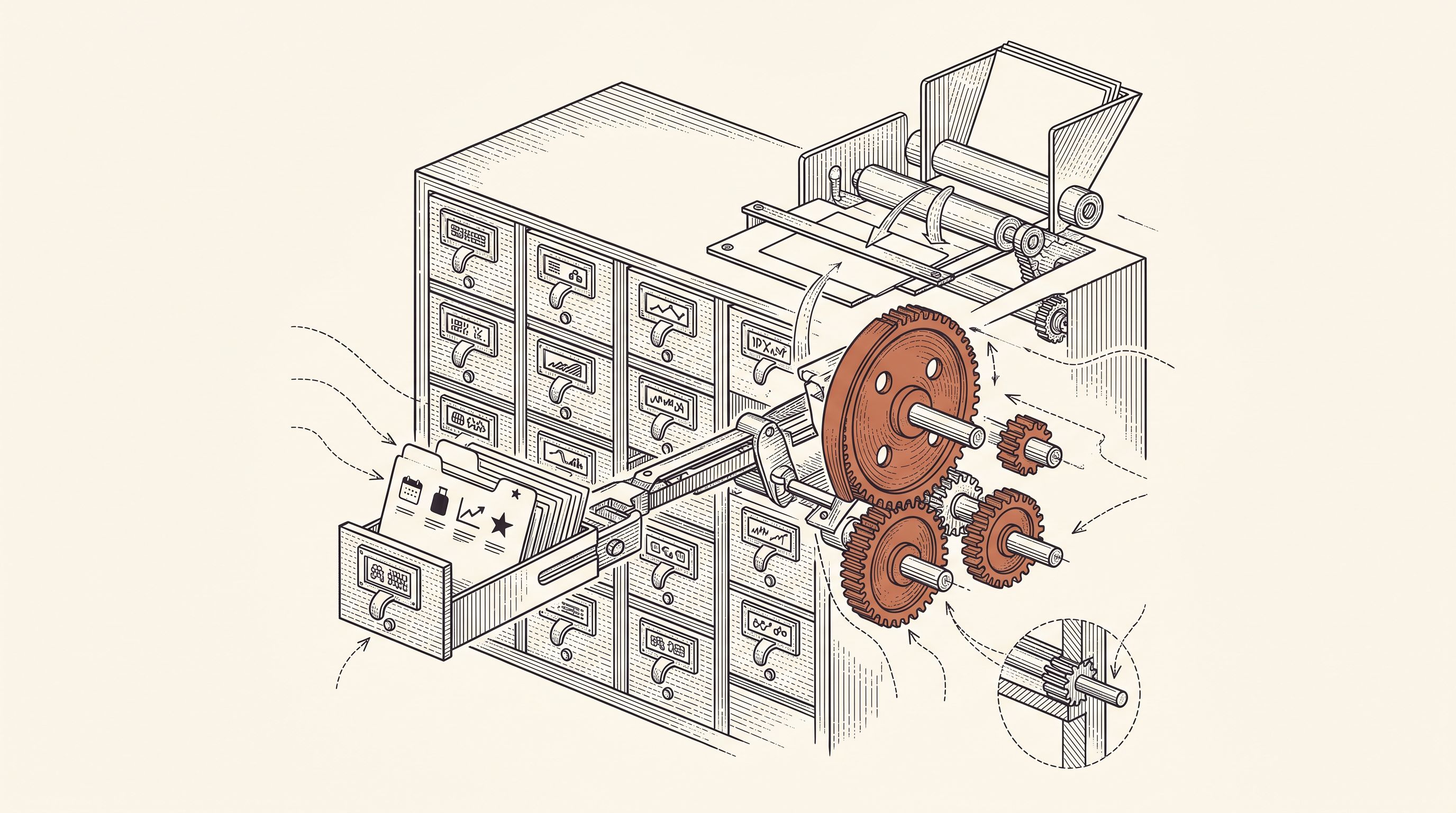
Open the note with the forty. Put a mark next to every line whose material would exist this week even if Instagram went dark tomorrow. Those are the weekly ones. Move everything else onto a second page and put a date beside it, because those are not ideas. They are events, and events get scheduled.
FAQ
How many Instagram post ideas does a small business need?
Around six that refill weekly, plus a short list of dated events for the year. A thirtieth idea does not restart a stalled feed; sorting the ones you already have does.
How often can I reuse the same post idea?
Every week, as long as the material changes. Repetition gets noticed in the subject, almost never in the structure.
What counts as a byproduct idea?
Anything the business produces while operating: a finished job, a repair, a question answered before a sale, an order packed, a supply that changed.
Do these ideas work for a service business with nothing to photograph?
Yes. The material is the decision rather than the object: what you checked first, what you ruled out, and what you told the client to do instead.
What about post ideas that need a customer's permission?
Treat them as events rather than weekly ideas. They depend on someone else's calendar, so they belong on the dated page.