Instagram Content Ideas for a Jewelry Brand
Instagram content ideas for a jewelry brand: turn scale, comfort, materials, styling, care and gift questions into useful posts.
The usual advice says a jewelry brand needs more ways to photograph finished pieces. It does not. The most useful Instagram content ideas answer the questions a buyer cannot settle from one polished product shot: scale, comfort, material, styling, care, meaning and availability.
That gives you a repeatable system. Start with one piece, list the decisions around it, then give each post one job. You can publish regularly without inventing a new collection or repeating the same sales caption.

The myth: more jewelry content means more product shots
This idea circulates because it is easy to turn into a checklist. Photograph the ring on white. Put it on a hand. Add a flat lay. Film the packaging. Change the background and begin again.
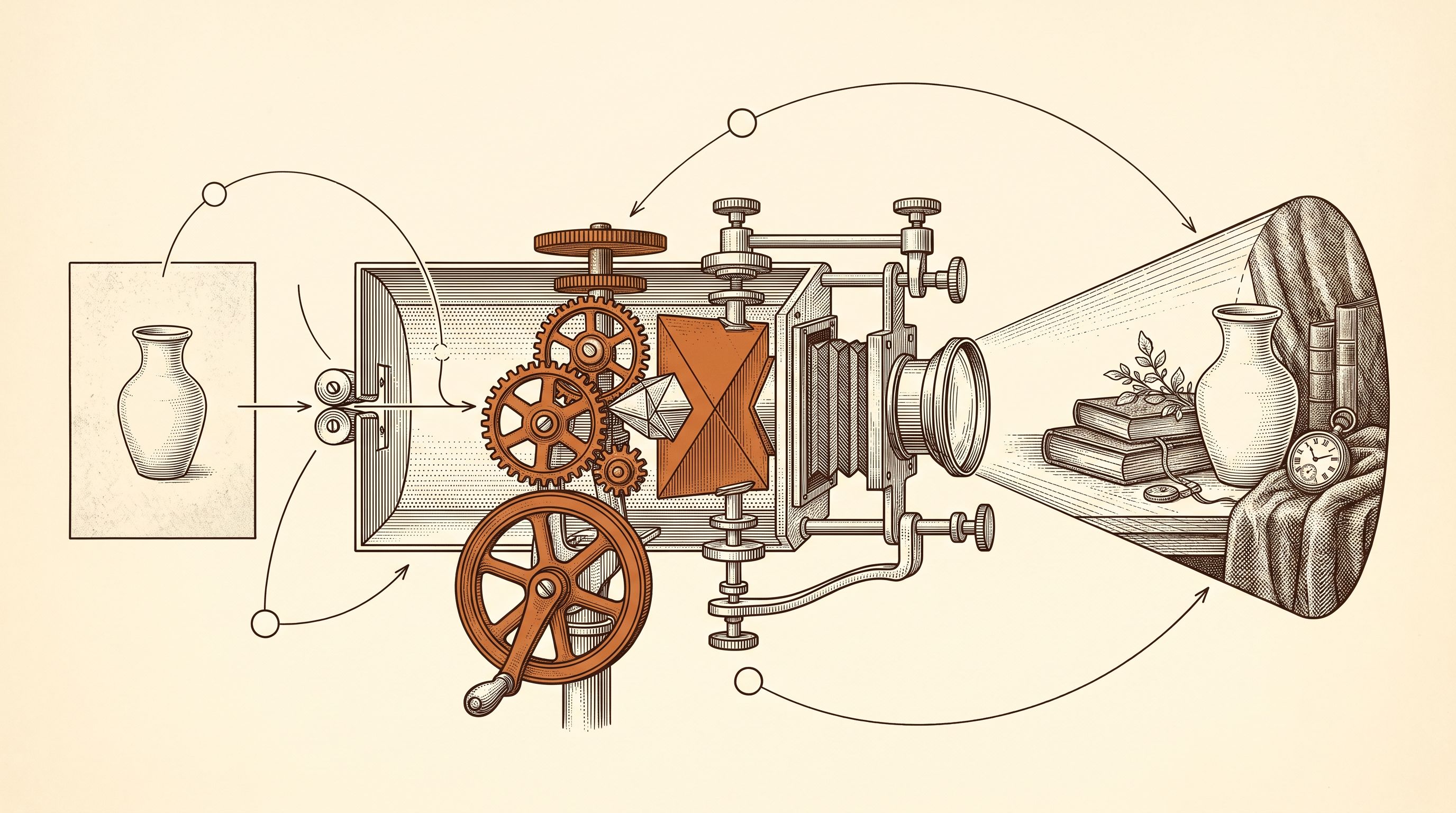
The images change, but the information often does not. The buyer still sees the same object with the same short description. By the fourth variation, you have produced another asset without giving someone a new reason to understand the piece.
Jewelry makes this problem sharper. A photograph compresses size, weight, texture and movement into a flat frame. A close-up can make a small stud look substantial. A necklace laid on a table does not show where it falls. A polished surface says nothing about how you designed the clasp or how the finish should be cared for.
The content source is therefore not the number of photo formats. It is the number of useful uncertainties surrounding the piece. Once you treat those uncertainties as briefs, the calendar becomes much easier to fill.
A new background changes the image. A new buying question changes the post.
A new background changes the image. A new buying question changes the post.
Eight Instagram content ideas from one jewelry piece
You do not need eight new products. Choose one design with good photographs and build these posts around it.
-
Show its true scale. Photograph the piece worn, then put the relevant measurement in the opening lines. For earrings, give the drop or diameter. For a necklace, state the chain length and show where it sits. The post answers, “How large will this look on me?”
-
Explain comfort and movement. Describe the weight, fastening and how the piece behaves during normal wear. Keep the wording factual. “Lightweight” is vague; a named weight, closure type or construction choice is more useful when you can verify it.
-
Name the material precisely. Move beyond “golden” or “silver.” State the metal, plating, stone, finish and any care implication that you can support. A close detail shot works here because the caption gives the surface a meaning.
-
Reveal one design decision. Explain why the chain has that thickness, why the stone sits at that height or why the clasp changed between prototypes. Telling the story behind the craft works when the detail affects the finished piece, not when it becomes a generic studio diary.
-
Style one piece in two real contexts. Use the same earring, bracelet or necklace with two outfits your customer might actually wear. Explain what changes: neckline, color, layering or occasion. This is guidance, not a mood board with no point.
-
Teach one care action. Show how to store, clean or handle the piece using advice that fits the material. Keep the scope narrow enough to demonstrate in one post. If care varies by stone or finish, say so rather than turning one instruction into a universal rule.
-
Help someone choose it as a gift. Explain the information needed before ordering: size, adjustable elements, presentation, production time or the kind of meaning attached to the design. Use only facts that apply to your own offer.
-
Clarify availability. State whether the piece is ready to ship, made to order, available in sizes or offered with variations. A post can be beautiful and still leave the practical next step unclear. This one removes that uncertainty.
These ideas work because each one changes the answer, not merely the crop. If you need aligned images and captions rather than another blank template, an Instagram post generator grounded in your brand can turn the material you already have into a coherent batch.
How do you turn the ideas into a weekly sequence?
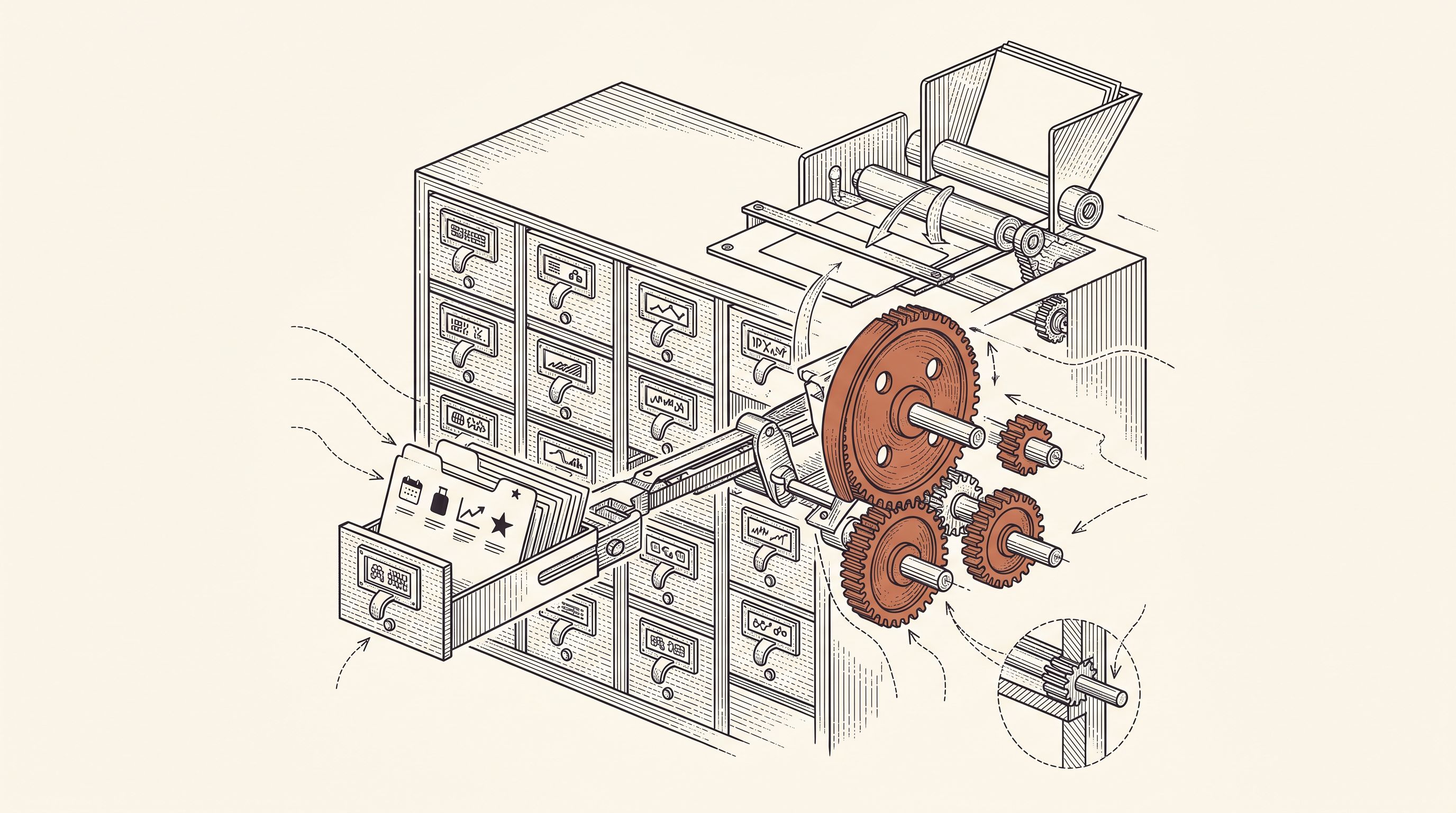
Begin with a simple product record. Collect the page URL, verified material details, dimensions, available photographs, care guidance, variants, production status and one design decision worth explaining. Missing facts stay missing; do not let a caption fill them with plausible language.
Then choose the buying uncertainty that matters most. A new necklace may need scale before styling. A made-to-order ring may need production time before gift meaning. Put that question at the top of the brief and keep the post focused on answering it.
The sequence can move through distinct jobs: orient the buyer, explain the object, show it in use, reduce a practical doubt, then make the offer clear. That is not a rigid five-post formula. Some pieces have no useful gift angle. Others need two posts on material because the finish is the main point.
The pattern we see in generated jewelry copy is consistent: product nouns alone produce catalogue language. “Gold-plated hoop, eighteen millimeters, handmade” gives the system facts but no editorial decision. Add the reason for the diameter, the intended feel when worn and the customer question the post must answer, and the caption has a useful direction. The difference comes from the brief, not a more decorative adjective.

What should every jewelry post contain?
Give every post a visible subject, one verified fact and one clear purpose. The subject might be the clasp in a close-up. The fact could be its material or adjustment range. The purpose could be helping someone judge whether it suits daily wear.
Keep visual and caption evidence together. If the text discusses scale, show the piece worn or beside a stable reference. If it discusses finish, use a detail where the finish can actually be seen. The difference between a catalogue shot and a scene with useful context matters most when the context proves the claim you are making.
Write brand directions positively. Replace “luxurious” with the exact qualities your work carries, such as restrained, sculptural or playful. Replace a generic question opening with a material fact, a design choice or a wearing observation. Set the vocabulary and sentence structure you want, then reuse that direction across the batch.
Do not force every post to sell immediately. A care post can simply make ownership easier. A scale post can help someone rule a piece in or out. The commercial value comes from making the range easier to understand while keeping availability and the next step clear when they matter.
FAQ
How often should a jewelry brand post on Instagram?
Choose a cadence you can supply with accurate, brand-aligned posts and prepare it in batches. There is no universal frequency that guarantees reach. Regular review matters more than adopting a number you cannot sustain.
What should a jewelry brand post when there is no new collection?
Return to existing pieces and answer a different buyer question. Scale, comfort, material, styling, care, gift choice and availability can each support a distinct post without pretending the product is new.
Are behind-the-scenes jewelry posts enough?
No. Process is useful when it explains a choice visible in the finished piece. Mix it with wearing context, practical details and clear offer information so the feed helps people understand both the craft and the product.
Do jewelry posts need professional photos?
They need clear, truthful images that support the point of the caption. Good daylight, consistent color and a sharp view of the relevant detail can be enough. Use professional work when the product or campaign requires it, but do not wait for a full shoot to explain a clasp, size or care step.
The next time one finished-piece photo enters your content folder, do not ask how many backgrounds it can fill. Ask which buying question it can answer first.