How to promote your business: the words first
How to promote your business: every ad, listing and post copies the words on your site. Rewrite them in your customers' language and the channels follow.
To promote your business, you need two things: be present where your customers already look, and describe what you do in the words they use when they have the problem you solve. Most promotion fails on the second part. The channel gets blamed, the money moves to the next channel, and the same problem travels with it.
Dana is a composite: a two-person IT support business, the kind that exists in every town of 40,000. Her phone rings about eleven times a week, and nine of those calls open with one of six sentences. "Our emails are going to spam." "The printer stopped working after the update." "Someone who left still has the password." Her website says none of that. It says "Managed IT services and cloud solutions for SMEs," because that is what every competitor's site said when she built hers.

Why did three channels fail for the same business?
Over one year, Dana tried promotion the way every list suggests. Google Ads: $800 over two months, three calls, zero contracts. A Facebook page: 14 likes, most of them family. LinkedIn: four posts on "cybersecurity awareness for small businesses," each with a stock padlock. Each channel got a few weeks, then got dropped as "not working for IT."
Line up the three and one thing is shared. The ad copy was lifted from the homepage. The page description was pasted from it. The LinkedIn posts were written in its register. Every channel was a copy of the same page, and that page was written for peers, not for the accountant whose emails bounce.
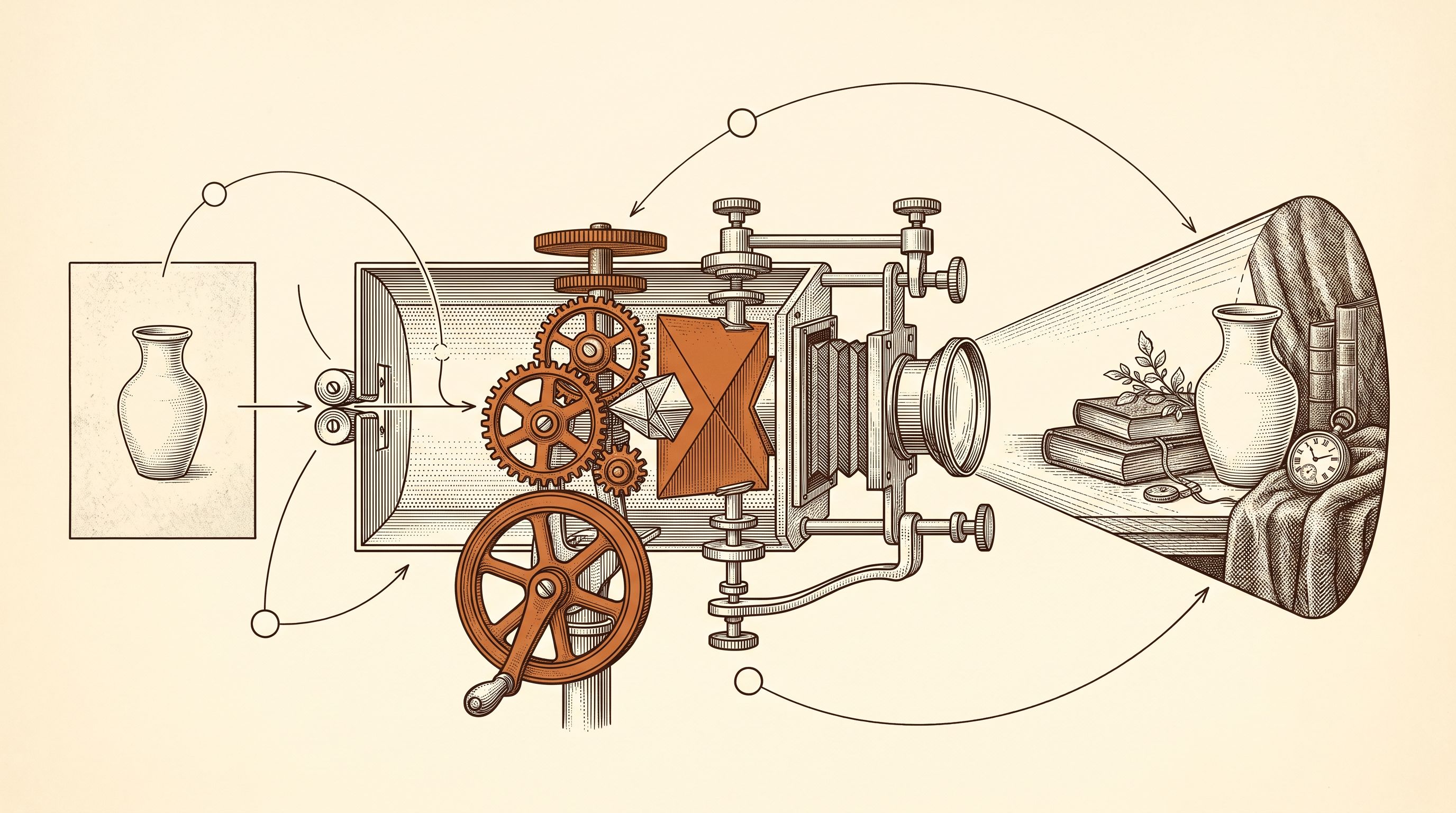
This is what the 25-ways lists miss. The website is not one channel among twenty-five. It is the source the others get copied from. You copy from it, a freelancer reads it first, a directory scrapes it, and so does any tool that drafts your posts. If the source uses the trade's vocabulary, every copy does too, and promotion happens in words nobody searches.
The 30-second check: read the first sentence of your homepage and ask whether a customer with the problem would type any of those words into a search bar. Then read your last three posts and your Google listing: same words.
What is the first step to promote a business?
Rewrite the page the copies come from. Not the design, the sentences.
Dana's rewrite took an afternoon. She wrote down the first sentence of the last twenty calls, as said, without translation into IT language. Six sentences covered seventeen of the twenty. Those six became the services page, each one a heading, each followed by what she does about it, how fast, and what it costs. "Email deliverability audit" became "Your emails are landing in spam." "Endpoint management" became "The laptop that takes nine minutes to start."
Two rules made it hold. Every replacement was a swap, never a deletion: the trade term left, a customer sentence took its place, so the page never got vaguer. And each problem kept one line in the words Dana uses on the phone, because a page that reads like a template gets copied into posts that read like a template.
A florist or a physio would end up with a different list and the same mechanism. The customer's sentence at the moment of need is the most searched, most repeatable line a small business owns, and it is usually missing from its own site.
The website is not one channel among twenty-five. It is the source the other channels get copied from.
How do you promote a business on social media without a team?
With the source page fixed, the six problems are the six topics. What is left is proof, one real job at a time.
Each job that fits one of the six gets a phone photo: the open desktop tower on the dentist's floor, the router on the shelf, the printer with its tray out. That photo plus one line of what was wrong and what she did is the post. The content ideas that get posted are the ones drawn from this week's jobs; her saved list of forty ideas never produced one.
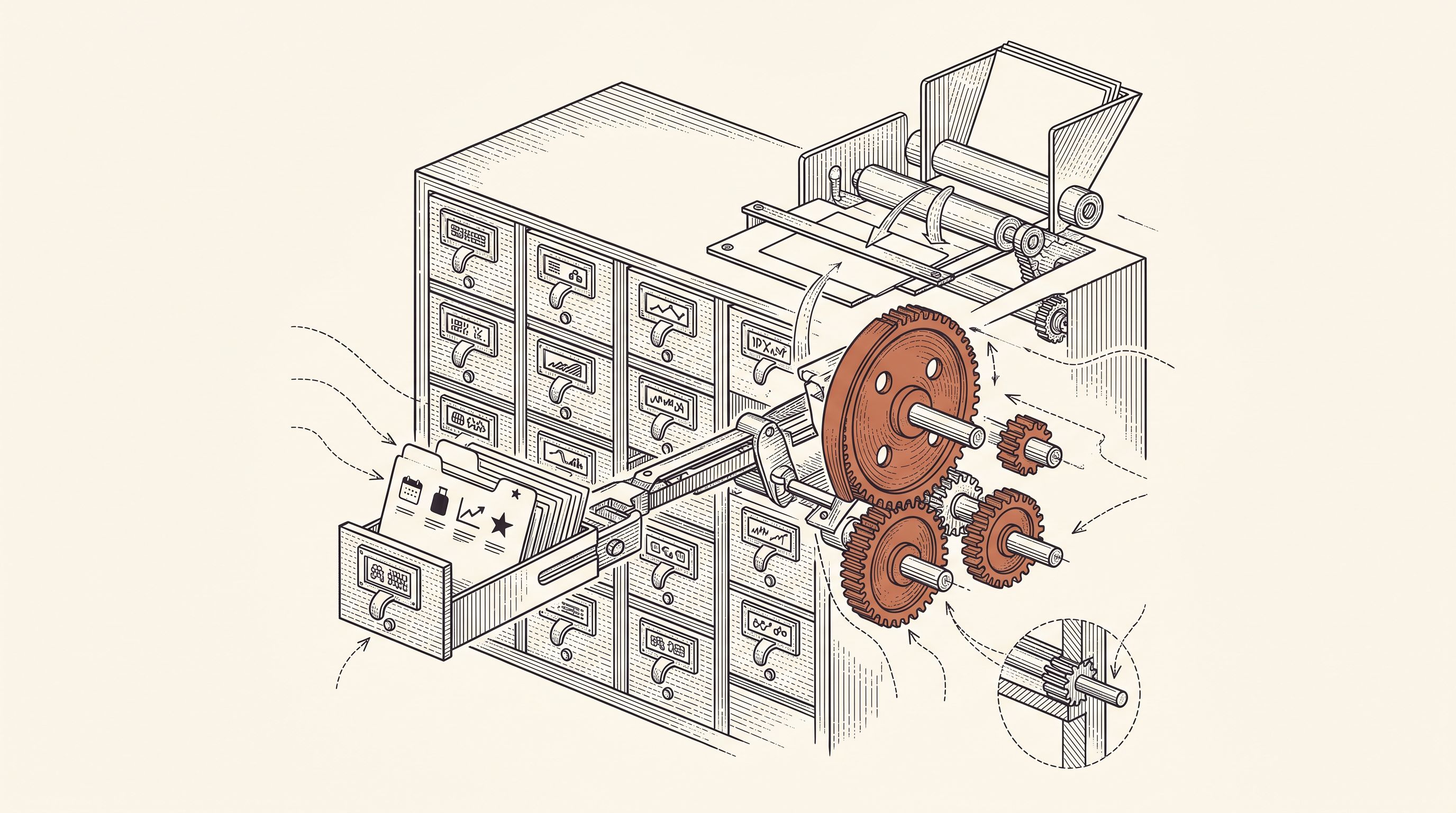
She does not write five versions. The site gets read once, and the drafts come out in its words, adapted per network: a longer note for business owners on LinkedIn, a shorter one with the photo for the local feed. Her review is twenty minutes, mostly checking that the customer sentence survived. Anything that came back as "solutions" gets swapped in her brand identity: in the vocabulary, "your emails going to spam" replaces "deliverability"; in the openers, the client's first sentence replaces the question. Next week's drafts inherit the change.
Which networks matter is decided by who calls, not by the list. Dana's callers own dental practices, accounting firms and shops. They are on LinkedIn during the day and in the town's Facebook groups at night; Instagram carries the photos, because the photos are the proof. One source page feeding a steady presence across your social networks is what replaces the team.
How do you promote a business locally for free?
Three free moves did more than the $800 in ads, in this order.
Google Business Profile first. The description was rewritten from the new services page, the six problems listed as services, every job photo added there too. A search for "printer not working after update" plus the town's name now shows her listing, with a photo of a printer she fixed, where the ad never reached.
The referral line second. Customers were already recommending her; they lacked a sentence to do it with. "She's the one who fixed our spam problem in a day" is a sentence a dentist can say to another dentist. "She does managed IT" is not.
Facebook groups third, not the page. The page had 14 likes and no reach. The town's business owners' group has 900 members, and "anyone know someone for IT stuff?" comes up about twice a month. Dana does not answer it. Two customers do, with the referral line, and her page is where those replies land.
Ads can come back after this. Paid social only rents reach; sent to a page that talks like the trade, the budget buys the old failure. Sent to a page that says what the customer said, the same $800 buys clicks that turn into calls.

What changed after six weeks?
The calls changed before the numbers did. They now open with "I saw your post about the spam thing" or "the accountant next door said you fixed her printer." The first sentence of the call is now the sentence on the site, which is the sentence in the post.
Then the count moved. Eleven calls a week became nineteen, seven from people nobody had referred. Two new monthly contracts in six weeks, against zero in the year of ads. Her profile is what a prospect checks before calling, and it now answers in the prospect's words.
The decision she keeps: every new service gets its customer sentence written before its trade name. The site, the listing and the week's posts all copy from that sentence. Promotion stopped being a list of channels to try. It is one page, kept in the right words, and copied often.
FAQ
How can I promote my business for free?
Rewrite your services page in the sentences customers use, then copy it into Google Business Profile, your social profiles, and one referral sentence for existing customers. All three are free, and all three fail when the source uses trade vocabulary.
How do I promote my business on Facebook?
Through local groups, not a page. A page with a few dozen likes reaches almost no one. In a town's business-owner group, "does anyone know someone for X" gets asked regularly, and a customer's reply carries more weight than your own post.
How long does it take for promotion to work?
The first signal is the wording of incoming calls, usually within a few weeks: people start quoting your post or your listing. Counts follow. Give the rewritten page and the weekly posts six weeks.
How do you promote an IT business specifically?
Nobody searches for IT support until something breaks, so promote around the breakages: the exact problems customers call about, written as they say them. Post the proof from each job, and be findable on Google and LinkedIn for those problems, not for "managed services."