Organic vs Paid Social for a Small Business
Organic vs paid social media for a small business: which to fund first, what each actually buys, and the one thing that decides if your ads convert.
If you run a small business on a limited budget, the honest answer is to fund organic first. Paid social can wait. Organic and paid are not rivals — they do different jobs — but the order is not a coin toss, and most independents get it backwards.
Here is the difference in one line. Paid rents reach you give back the moment you stop paying. Organic, kept up with any regularity, is the only one of the two that can turn some of that reach into an audience you keep. Both have a place. Knowing where your next 100 euros should go is the whole decision.

What organic and paid social each actually buy
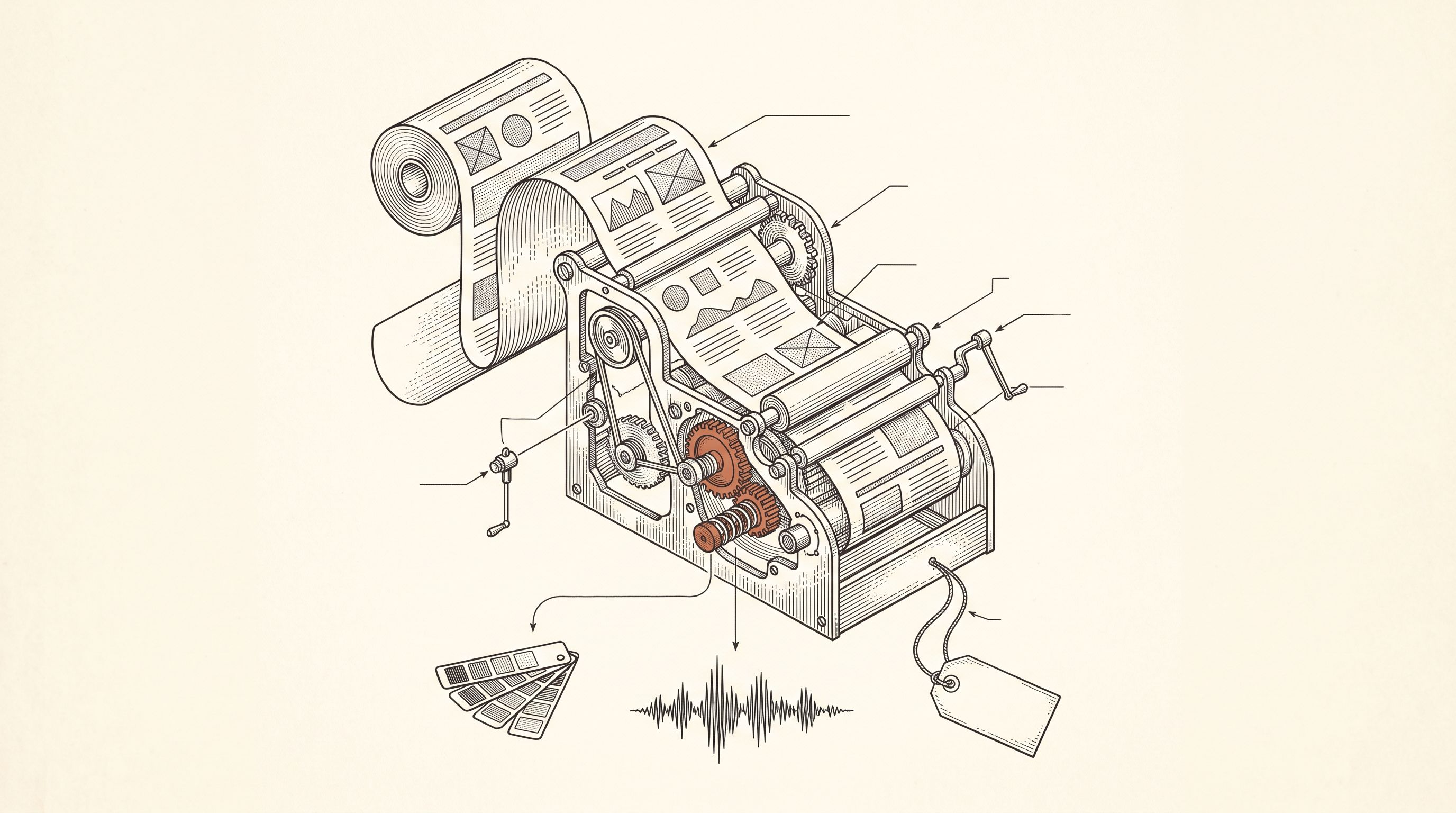
Organic is everything you post for free: the photo, the caption, the pin, the update. It reaches the people who already follow you, plus whoever the algorithm decides to show it to. It is slow. It compounds. Six months of steady posting leaves a trail a stranger can scroll: a run of posts that shows, at a glance, that you are active, open, and good at what you do.
Paid is renting the platform's distribution. You hand over a budget, the network shows your post to people who do not follow you, and you get a spike of reach that lasts exactly as long as the spend. It is fast. It does not compound. The clicks arrive, then stop the day the budget runs dry.
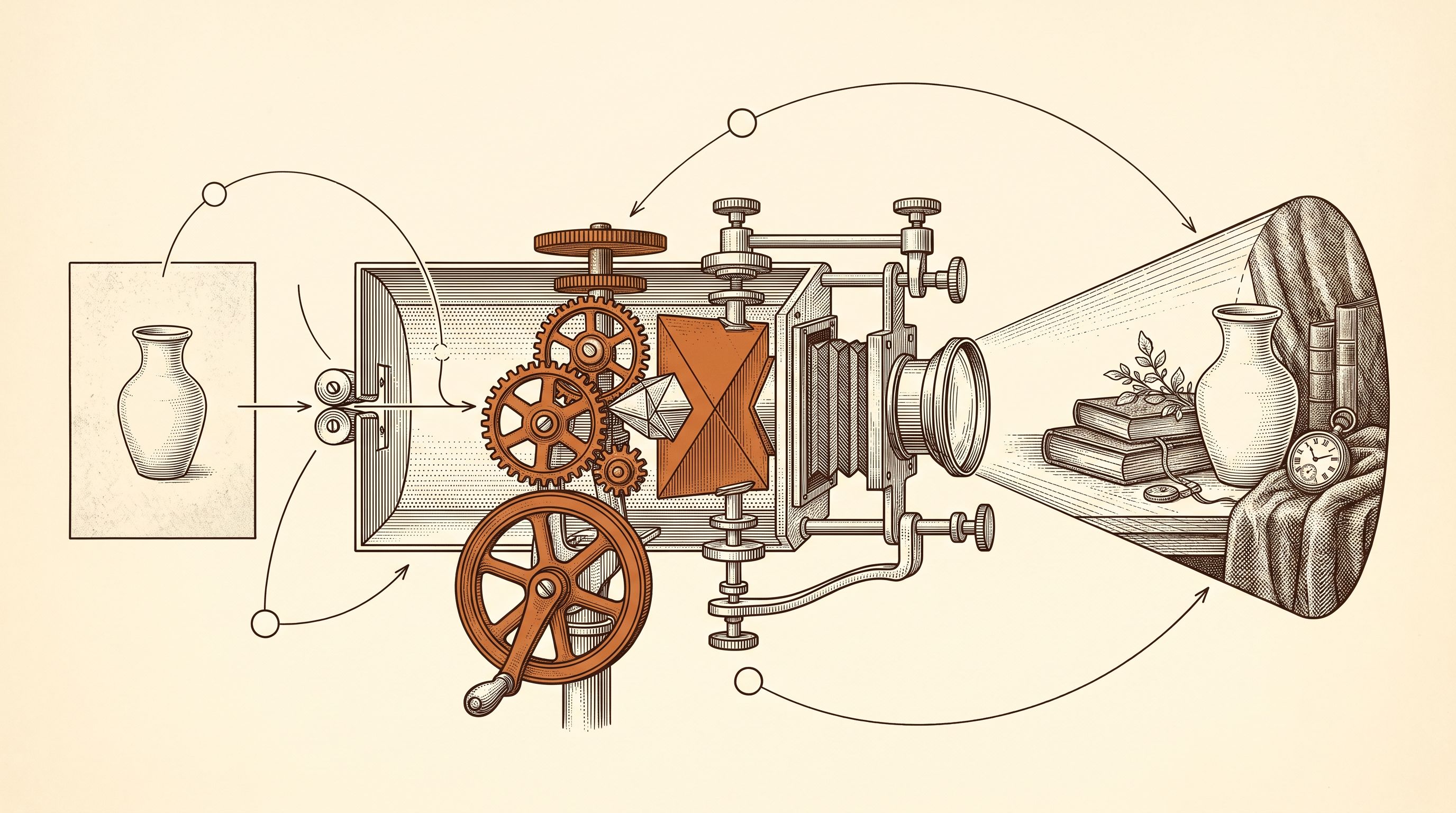
This maps almost exactly onto the gap between the reach a platform shows you once and the audience you can reach again. Paid only ever produces rented reach. Organic produces it too — but it is the only one of the two that can convert some of that reach into an audience you keep, when you post regularly enough to be recognized.
| Compared | Organic | Paid |
|---|---|---|
| Cost shape | Time now, near-zero later | Cash every time, forever |
| Speed | Slow, builds over months | Instant, gone when it stops |
| What you build | An audience you own | Reach you rent |
| Best fit | Always — it is the floor | Time-bound pushes only |
Which one is cheaper for a small business
Per impression, paid often looks cheaper. You can buy a few thousand local impressions for the price of a coffee round. That number is what makes the ads manager addictive.
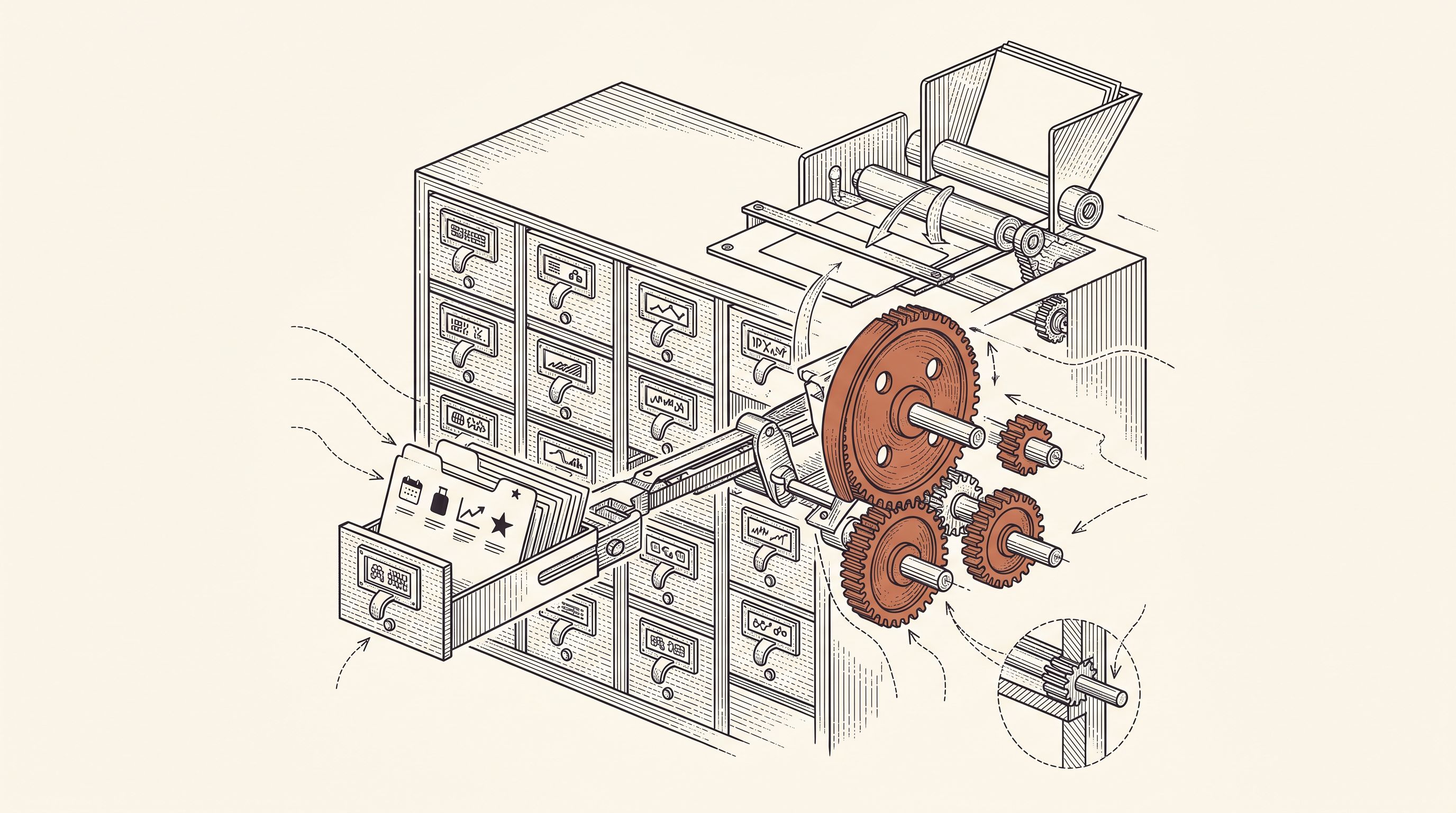
But the small business math is not per impression. It is per booked client over a year. Organic costs you time, not cash — and once the system that produces it runs, the marginal cost of one more week of posts is close to zero. Paid costs cash every single time, forever, with no residue. Stop the campaign and you are back where you started, minus the budget.
For a business with modest margins and no agency on retainer, the asset you can stop paying for and still own is worth more than the one you rent by the day. That is why a 1,500-euro monthly ad budget so often feels disproportionate to the return: you are renting attention you will never own.
An audience you rent is not an audience. It is a meter running.
What happens the day you stop
This is the cleanest test, and it sorts the two faster than any metric.
Stop posting organically and your presence decays slowly. The old posts stay up. The profile still answers for you when someone checks. Reach fades, but the audience you built does not vanish.
Stop your ads and reach falls off a cliff the same day. There is no tail. Whatever you paid for is gone, and the only proof it happened is the invoice. An audience you rent is not an audience. It is a meter running.
When paying actually makes sense
Paid is not a trap. It is a tool with a narrow, real job — and an honest comparison has to say where it wins.
Pay when you have something time-bound and an organic base already working. A launch with a deadline. A seasonal push. An event with a date. A new offer your five networks need to know about this week, not over the next quarter. In those cases, a small budget on the post that already converts organically is the right move — you are amplifying a proven signal, not buying a cold one.
The condition matters more than the case. Paid amplifies what already works. It does not manufacture interest from nothing. Run an ad on a post that gets no organic traction and you will buy a larger audience for a post the audience was already ignoring.
The number that predicts whether your ads convert
Here is how it plays out on small accounts, and it surprises people every time.
The strongest predictor of whether a small business's paid traffic turns into anything is not the ad creative. It is the date of the last organic post.
The mechanism is simple. An ad does one thing: it sends a stranger to your profile. What happens next is decided by the profile, not the ad. If the last post is from this week, the stranger sees a business that is alive — and the profile answers in your place, which is exactly its job. If the last post is three months old, the same click lands on something that looks abandoned, and no amount of ad spend recovers it.
That is the quiet reason paid-first fails for so many small businesses. They buy the click before they have built the thing the click lands on. Fix the organic floor, and the same ad budget suddenly works — because now there is somewhere worth arriving.
FAQ
Should a small business do organic or paid social media first?
Organic, almost always. Build a base of recent, recognizable posts before you spend on ads. Paid traffic landing on a dead profile is wasted.
Is paid social worth it for a small local business?
For time-bound pushes — a launch, an event, a season — yes, with a small budget on a post already working organically. As a permanent substitute for posting, no.
How much should a small business spend on social media ads?
Less than you think, and only once organic works. A modest budget behind a proven post beats a large budget behind a cold one. There is no amount that fixes an empty profile.
Does organic reach still work in 2026?
Yes, but it rewards consistency over polish. A steady stream of posts that look like your actual work still reaches and holds an audience — the kind paid can amplify but never replace.