Is It OK to Repeat Content on Social Media?
Yes, it's OK to repeat content on social media. Here's what to repeat, what to change, and why your audience needs to see your message far more than you think.
Yes, it is not just OK to repeat content on social media. It is necessary. The single most common mistake independent creators make is abandoning a message right when it starts to work, because they confuse their own boredom with their audience's. Repeat the core idea on purpose. Just don't repeat it the same way twice.
The reason this feels wrong is a measurement problem, not a taste problem. You see every post you have ever made. Your audience sees almost none of them. So the message you feel you have hammered into the ground three times has, in reality, reached most of your followers exactly once.

Why repeating content on social media actually works
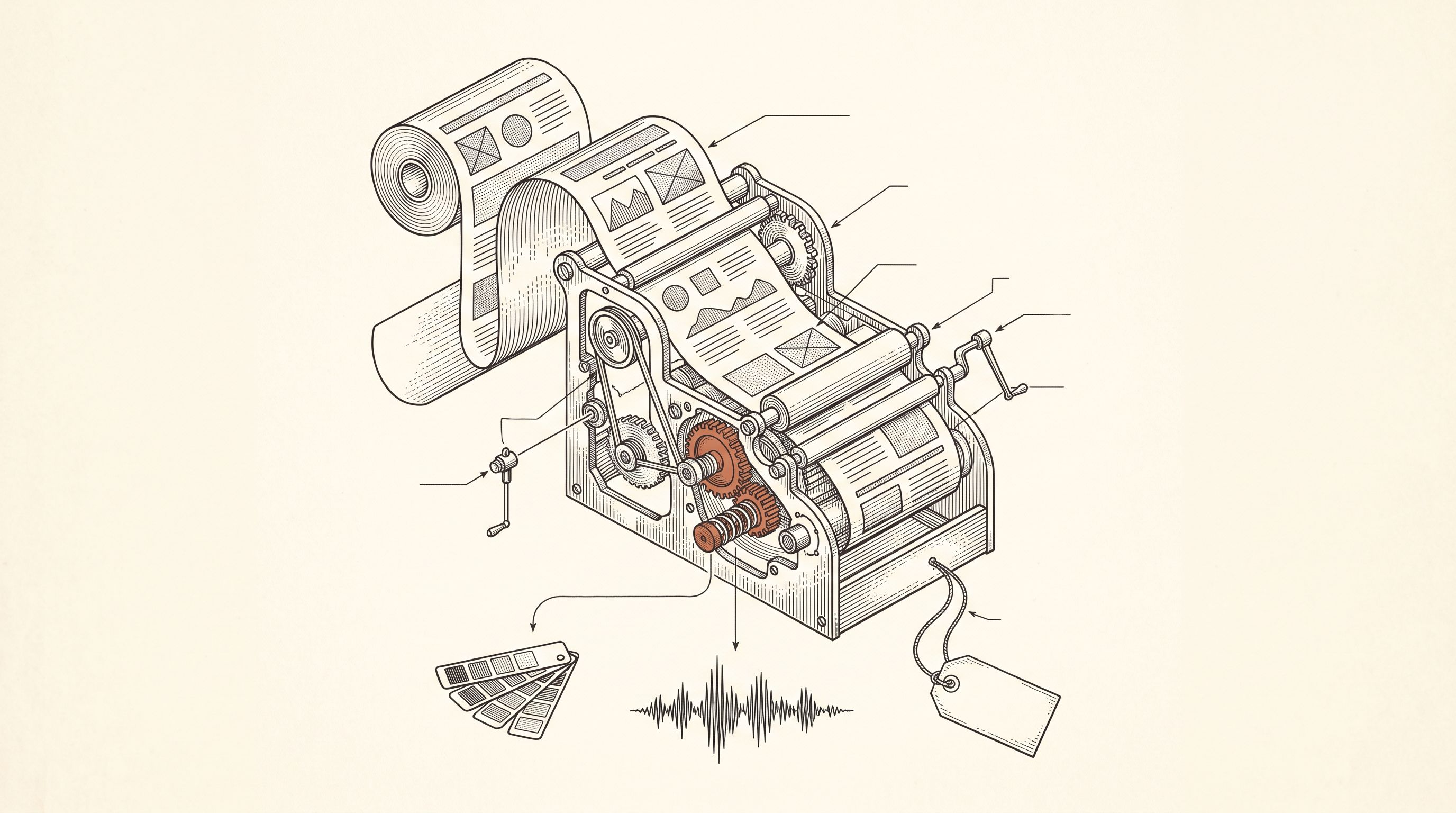
When you publish across five networks (Instagram, LinkedIn, Facebook, Pinterest, X), your reach is fractured by design. A given follower catches maybe one post in five or six. The platform decides the rest, and most of your audience is offline at the exact moment you hit publish.
This creates two curves that never line up. You, the creator, are sick of your core message around the third time you post it. Your reader only starts to associate that message with you somewhere around the fifth or seventh time they cross it. Left alone, you quit the message at the precise moment it begins to land.
Watch the independent accounts that genuinely grow, and you will notice they do not rotate thirty subjects a month. They run three or four ideas, turned over and over. The narrowness is not a limitation. It is the whole reason the name sticks in someone's head.
So the fear of repeating yourself is an inside job. It comes from your over-exposure to your own work, not from any fatigue on the other side of the screen.
What to repeat and what to change
This is where most people get it wrong in the other direction. Repetition done carelessly does bore people. The same caption pasted twice, the same opening line, the same photo from a slightly different crop reads as a stuck record, and the scroll is merciless. So be precise about which layer repeats.
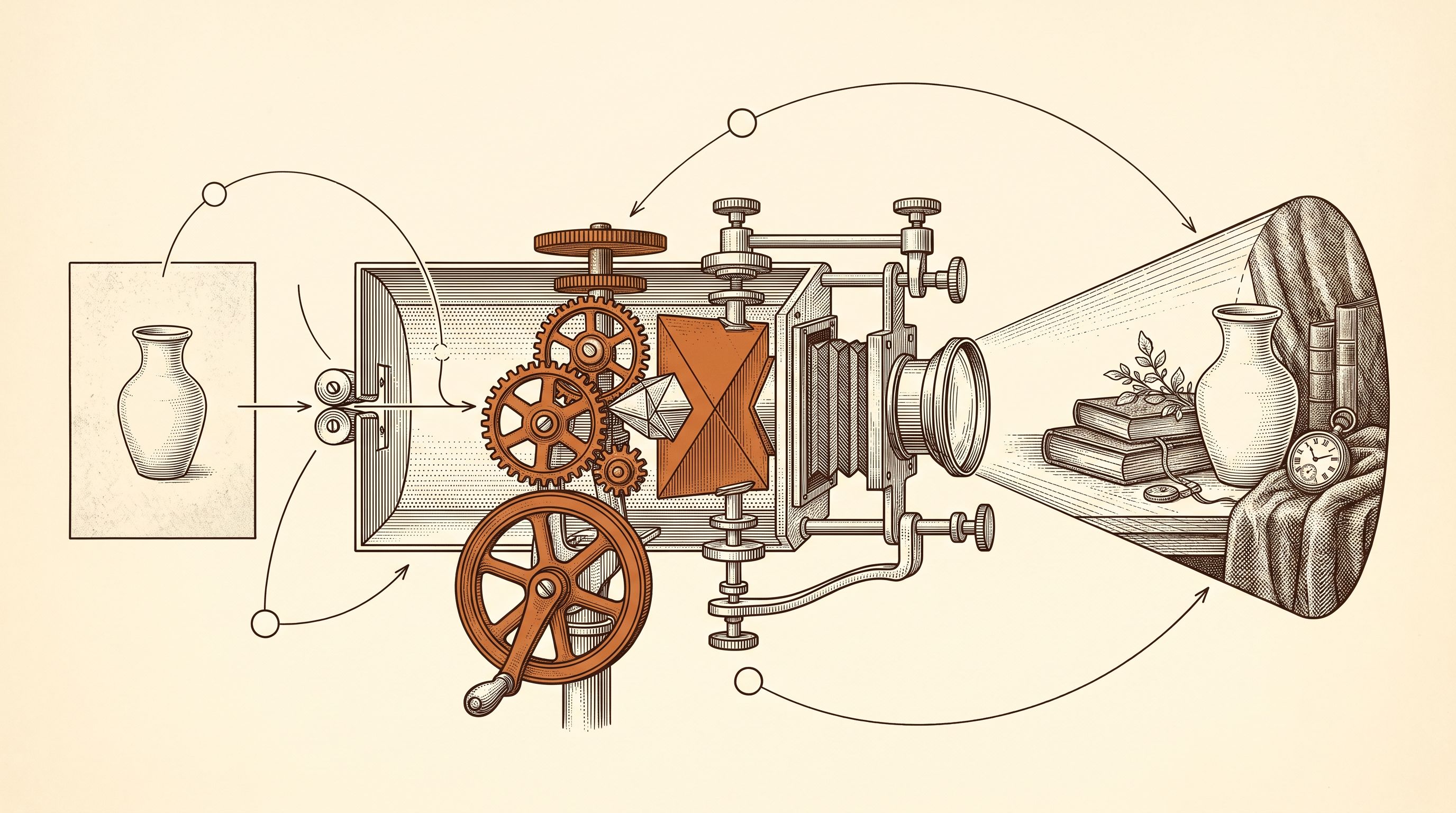
Repeat the core message. The single thing you want a stranger to walk away holding: you fix the posture problems most practitioners miss, you bake everything the morning it is sold, you only take projects you would sign your name to. That idea stays fixed for months.
Change the door the reader walks through. Same message, different entrance:
- One post opens on a question a client asked you this week.
- One opens on a small technical detail of your craft that nobody outside your trade ever sees.
- One opens on the objection you hear most, named out loud and taken apart.
Four posts, four entrances, one conclusion. To you it feels like saying the same thing on a loop. To a reader meeting you through a different door each time, it reads as someone with a clear point of view who keeps proving it from a new side. That is not repetition as a flaw. That is how a position gets built in public.
And the angle is where your expertise actually shows. Anyone can state the core message in a sentence. Only you can open it from the question your clients keep asking, or from the step of your process nobody sees. The topic is shared property. The angle is yours. It is the part a competitor cannot copy from your feed.
What you never repeat is the surface: the exact phrasing, the identical hook, the recycled image. That, and only that, is the repetition you were right to fear.
The topic is shared property. The angle is yours.
How often can you repeat the same message?
There is no single number, but the working rule is simpler than it sounds: a core message can carry a new angle every week for a full quarter before anyone but you notices. Three or four core messages, each good for a handful of angles, is roughly a quarter of content you can plan on purpose.
The risk is not posting your message too often. The risk is the opposite, a problem called drift. Force a brand-new topic every few days and you wander. One week you are the careful maker, the next you are riffing on a trend with no bearing on your work. Your audience cannot tell what you stand for, because the subject keeps moving. The accounts people actually remember are narrower than they look from outside. They say one thing, from many angles, for a long time.
Is reposting old content bad for the algorithm?
Reposting an identical piece word for word can read as low effort to both the audience and the ranking systems, especially within a short window on the same network. But reframing the same idea with a new hook, a new image, and a new opening line is not reposting. It is a fresh post that happens to share a conclusion with an earlier one. The platforms treat it as new because, in every way they measure, it is.
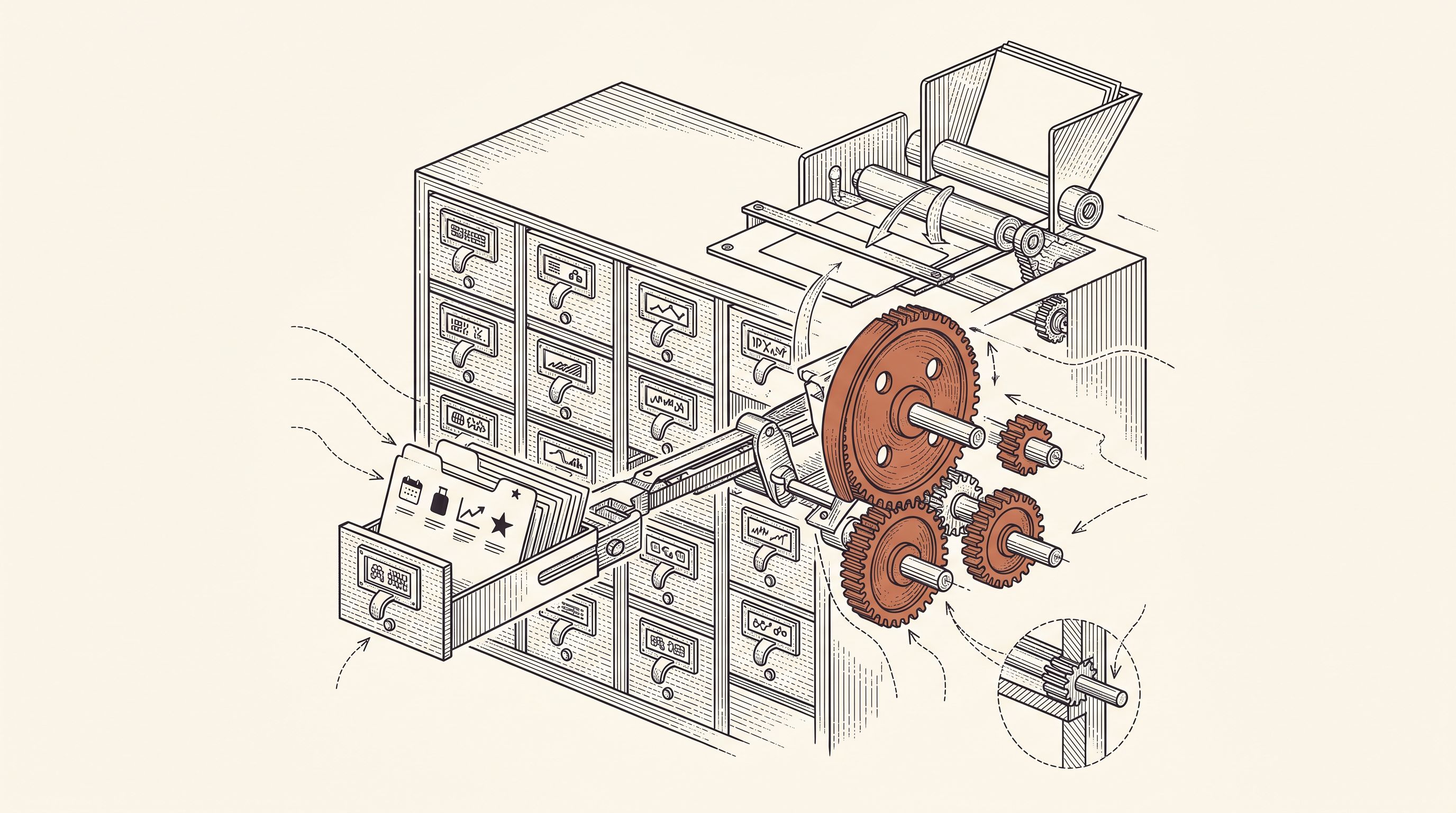
The practical move: keep a short list of your two or three core messages, and a running bank of angles for each. When it is time to publish, you are not asking "what haven't I said?" You are asking "which angle on a message I already own have I not used yet?"

Stop opening every week with "what's new"
Here is the habit to break. Stop treating "I need a fresh subject" as the first question of every week. That search is where the dread lives: the empty calendar, the blank brainstorm, the week nothing seems worth posting. You almost never need a new subject. You need an unused angle on the subject you already own.
So before you open this week's calendar, run your usual move backwards. Do not ask what you have not covered yet. Ask which of your two or three core messages your clients still have not fully heard, then find the angle you have never used on it.
One question to leave you with: what is the single thing you would want a stranger to remember about your work? If you cannot say it in one line, that is the real gap, not a shortage of topics. Settle that line first. Then say it again, and again, through a different door each time, until the people who already chose you can repeat it back without stopping to think.
FAQ
Is it OK to post the same content on social media twice?
The same exact post, back to back on the same network, reads as lazy. But the same core message with a new angle, hook, and image is not the same content. It is a new post that lands the same point, and that kind of repetition is exactly what builds recognition.
How many times should I repeat my message before my audience remembers it?
Most people need to see an idea five to seven times before they associate it with you. You will be bored of it long before that. Keep going past your own fatigue, because that is roughly where it starts working on the other side of the screen.
Won't my followers get annoyed if I keep saying the same thing?
Only if you say it the same way. Fractured reach means most followers see a fraction of your posts, so they rarely catch the repetition you feel so sharply. Vary the entrance (a question, a detail, a result, an objection) and it reads as consistency, not nagging.
How do I repeat content without sounding repetitive?
Lock the message, change the door. Keep the conclusion fixed and rotate the opening: one post starts on a client question, the next on a behind-the-scenes detail, the next on a result. Same point, four different ways in.
Is recycling old posts good or bad for reach?
Re-publishing an identical post within a short window can underperform. Reframing the same idea with a fresh hook and image performs like a new post, because that is what the platforms see. Recycle the idea, not the wording.