What Asphalte never posts
Asphalte built a steady social presence by documenting how it designs products with its customers. Here is the mechanism an independent can transpose.
Asphalte has never launched a product without polling its community first. Before producing a coat, a chino, a t-shirt, the brand asks the people who might buy it what they want — fabric, fit, colors, price. Tens of thousands of responses come in. Only then does production start.
That methodology is not a one-off marketing campaign. It is the entire content engine.

What the feed actually looks like
Asphalte's Instagram is not pure process content. In May 2026, the feed is dominated by the launch of their Sneakers Club — campaign images, countdowns, a giveaway. That is normal: every brand has launch weeks.
What is not normal is what sits between the campaign posts.
Scroll back to May 1: a post titled "CO-CRÉEZ MAINTENANT — Les pièces de la saison automne-hiver 2027." An open invitation, in public, to design the next collection. A few days earlier: a Reel where the founders sit down and explain, on camera, how they built the new sneakers "from scratch — construction, leather, manufacturing, proportions." No production gloss. Two men, a desk, a sequence of choices spoken out loud.
Now open their site. Go to the Agenda page. Every product set to launch in June, July, August is listed by date, with a "Create alert" button. Months before production, before any campaign, the calendar is already public. The audience knows what is coming, and is invited to the conception of what comes after.
The newsletter follows the same logic. The format shifts — longer, more technical — but the raw material is identical. The audience is different; the source is not.
Two channels, one content system. The campaign exists. It is preceded — and outlived — by the documentation of the process that makes it possible.
The mechanism: process before product
Most small business accounts post only the finished work — the cake out of the oven, the bouquet on delivery day, the consulting report handed over. The result looks good. It gets likes. It rarely gets questions.
Asphalte's approach generates questions because the process arrives first. You see "Co-create now" before you see "Buy now." You see the founders explain the build before you see the campaign shot. The brain has already done part of the work by the time the product appears. The campaign post lands on prepared ground.
A finished product post without that prior context gets a like and a scroll-past. A post showing a step in the process — a question to the community, a design decision, an open agenda — gets a longer pause. The reader has to think. Thinking generates comments, saves, shares. For a small account, those signals are what build the audience over time.
This is not a theory. It is a pattern you can observe on any brand that has figured out what Asphalte figured out: your content calendar does not need news. It needs access.
The invisible parts of your work are the whole point.
Why Instagram specifically rewards this
Instagram's ranking now rewards saves and shares more heavily than likes. A finished product post gets a like and is forgotten. A "we are co-creating the next collection" post gets saved — "I didn't know that, I'll show this to someone." Saves and shares push the post further. The content does not decay in 48 hours the way a launch post does.
Process content also keeps surfacing months later. A campaign post is tied to a specific launch — once that launch is over, it stops mattering. A post about how a product was designed keeps mattering as long as the product, or the method, is relevant.
That changes the return on every post you publish.
What an independent can transpose
You do not need a community of a hundred thousand. You need to identify one step in your process that clients never see — and that, if they saw it, would make them understand your price, your quality, or your specificity.
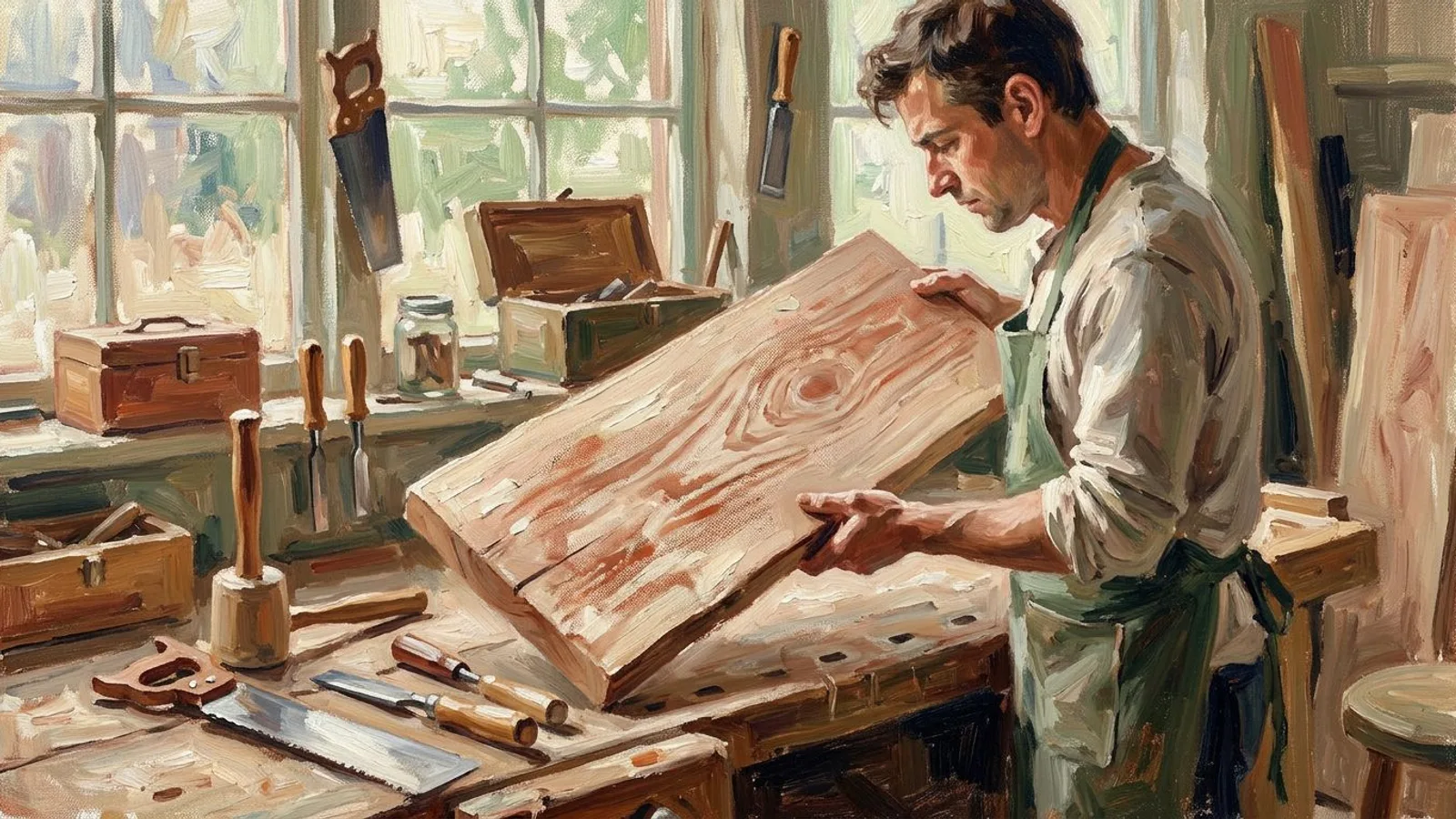
For a florist, it is the 5 a.m. market run and the selection criteria applied to each stem. For a furniture maker, it is the wood grain assessment before the first cut. For a consultant, it is the framework applied to reading a client's data before a recommendation is written.
The mistake most independents make is assuming that the invisible parts of their work have no commercial value. Asphalte's entire content strategy is a proof that the invisible parts are the whole point.
You do not need to post every step. One step, shown with specificity — the name of the supplier, the reason for the choice, what it means for the end result — is enough to build the kind of trust that finished product posts cannot build.
The brand DNA that an AI reads from your site and your posts is largely made of these moments. The more of them you publish, the more precisely the system captures the vocabulary, the priorities, and the voice that make your work distinct. The system gets sharper each time you add that kind of content — not because the AI is clever, but because what you feed it changes what it knows about you.
The one thing that makes this fail
Asphalte's posts work because each one is specific enough to be uncopiable. The agenda has a date. The Reel has a name. The post about the next collection asks a precise question.
Generic process content fails for the same reason generic product content fails: it looks like every other account in the category. "Behind the scenes of my work week" is not a process post. It is a lifestyle post dressed as a process post.
The threshold is specificity. One concrete detail — a measurement, a name, a date, a reason for a choice — separates a post that builds trust from a post that signals effort without delivering substance.
The format is free. The specificity is not optional.