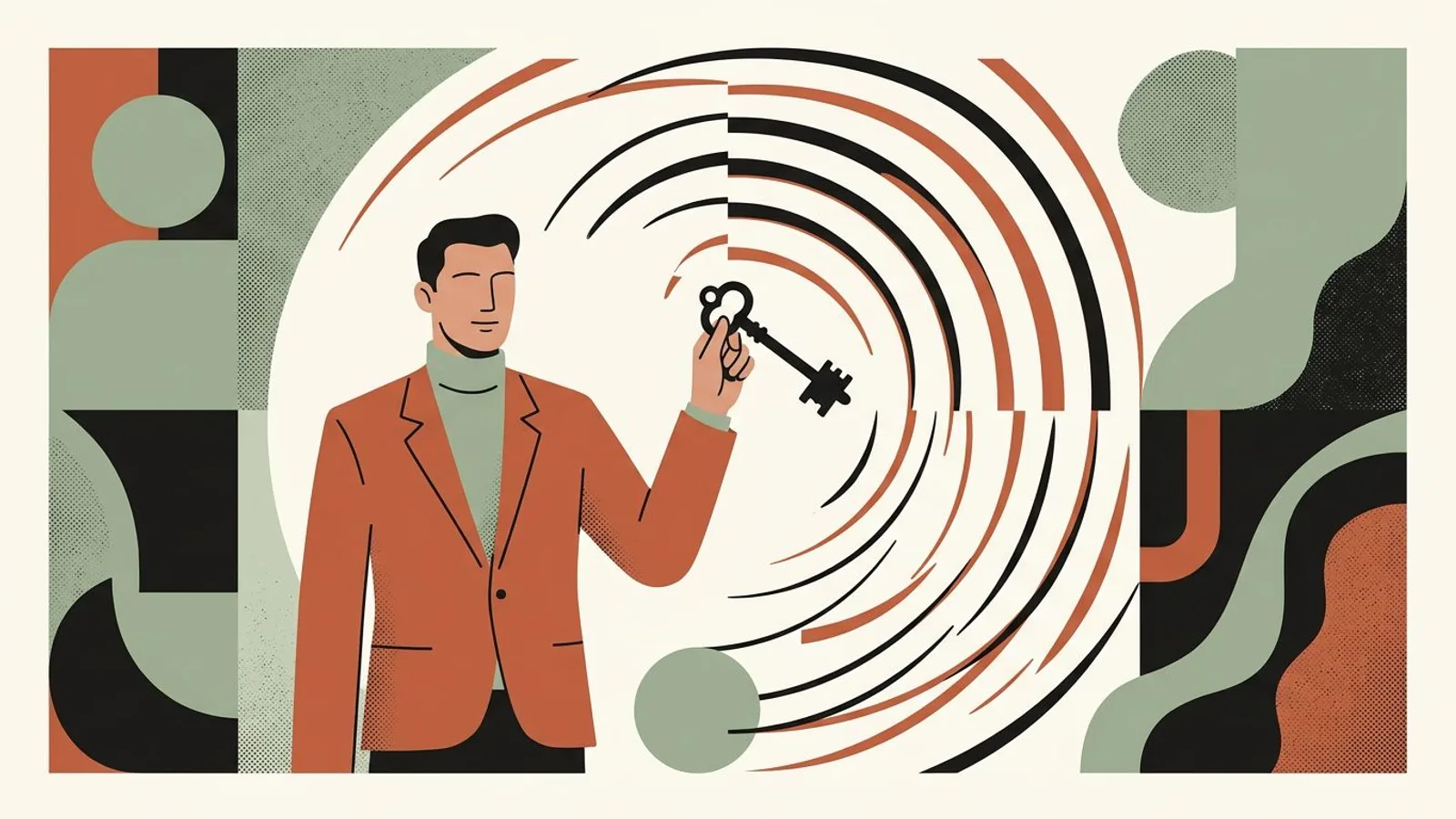
When nothing happened this week
Think you have nothing to post this week? Your craft holds more content than you notice. Here's how to find it without a brainstorm.
Tuesday evening. You open a blank post composer and stare at it. Nothing shipped this week. No new product, no event, no announcement. You close the tab. You'll figure it out tomorrow.
Tomorrow becomes Friday. Friday becomes three weeks of silence.
This is not a motivation problem. It's a perception problem.

The week that "nothing" happened
Here's what actually happened that week for a typical independent operator:
A customer asked the same question for the third time. You adjusted how you explain your process. You sourced a new supplier because the old one was inconsistent. You reorganized a corner of your workspace. You turned down a client who wasn't the right fit. You noticed that a specific service sells well in spring and barely at all in autumn.
None of that felt like content. All of it is.
The florist who thinks she has nothing to post has a story about why she buys from small growers instead of the big wholesaler. The consultant who goes quiet in quiet months has an opinion on why clients wait until the last minute to call. The physiotherapist who posts nothing between patients has a thirty-second explanation that would save his readers a month of pain.
The material exists. The question is whether you see it.
Your work is the content
Most solo operators think in announcements. New product, new offer, new season. When there is no announcement, there is nothing to say.
But your audience does not follow you for announcements. They follow you because you know something they don't. Because you do something they can't. Because watching your craft — even from the outside — is reassuring, useful, or simply interesting.
A cabinet-maker sharing why he chooses one wood join over another is not broadcasting to other cabinet-makers. He is explaining his standards to the people who will pay him to apply those standards. That is not filler content. That is the core of why anyone would hire him over the next person.
The independent operator who understands this shifts from "what do I post?" to "what do I know that I am not saying?"
The second question has a much longer answer.
The material exists. The question is whether you see it.
The invisible inventory
Think of your work as holding three layers of content that most operators never mine.
The process layer. How you do what you do. The choices invisible to clients — the prep work, the quality checks, the things you do that cheaper alternatives skip. A caterer photographs the finished dish. The content is actually in the sourcing call she made Tuesday morning.
The standard layer. Why you do it this way. Your non-negotiables. What you refuse to compromise on even when a client doesn't notice. These posts build trust faster than any promotion ever will. They signal that you have a point of view — and clients hire point-of-view practitioners, not interchangeable providers.
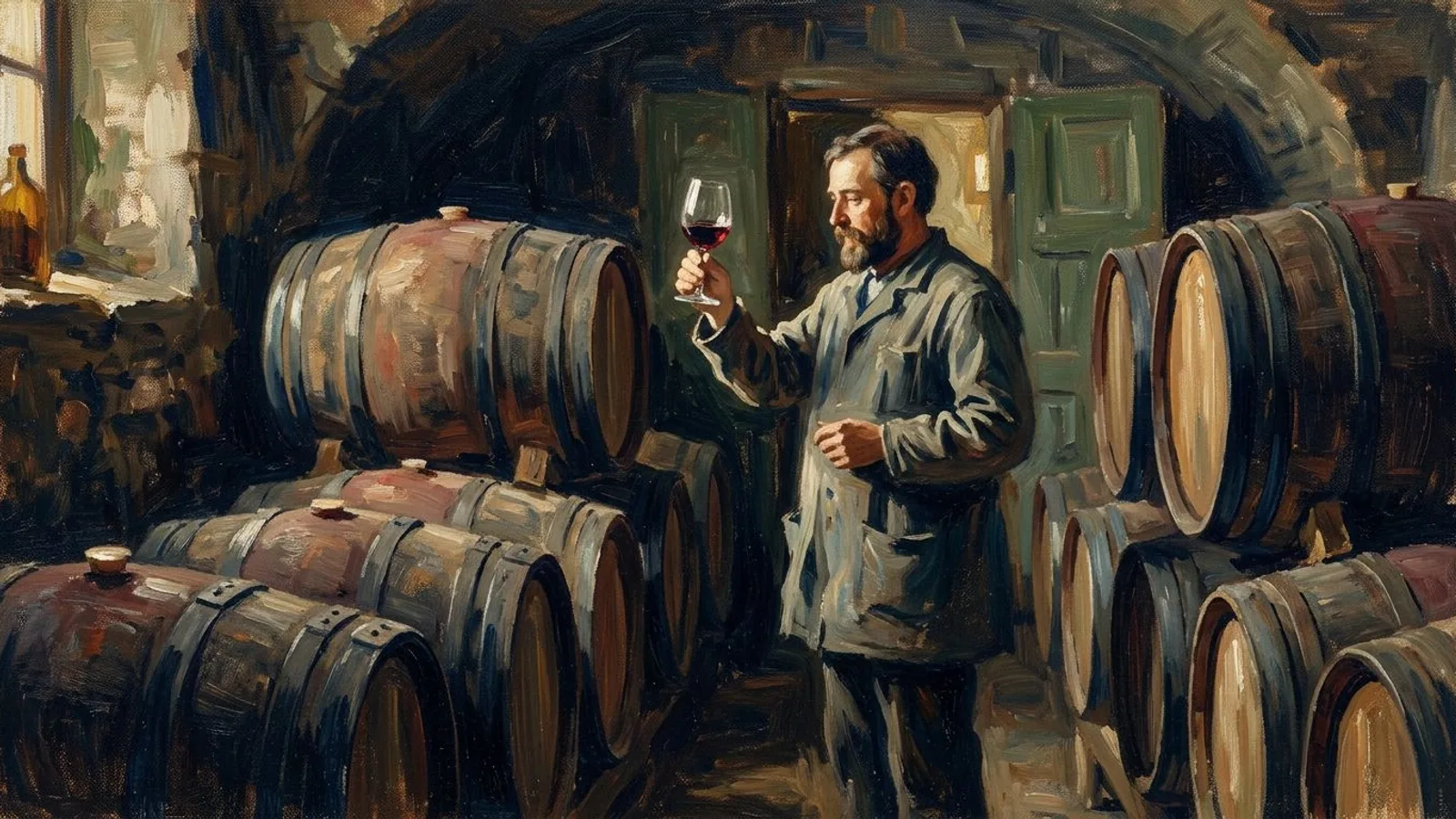
The context layer. What is happening in your field, your season, your neighborhood, your supply chain. You absorb this every day. Your audience sees none of it. A wine merchant who explains what last summer's drought means for the current vintage is not a sommelier lecturing — he is a trusted guide doing his job.
These three layers are always full. The week you think is empty rarely is.
As the 30-day content plan makes clear, the hardest part of a content calendar is not filling it — it's realizing you already have the material and building a habit of capturing it.
Why the blank-page feeling persists
Knowing these layers exist does not automatically make them accessible. Two things get in the way.
First, the comparison trap. You scroll past the post from the big brand with a professional photographer and a copywriter. You look at your phone in your workshop. The gap feels unbridgeable. So you post nothing.
But your audience is not comparing you to a global brand. They are comparing you to the last business like yours they considered hiring. In that comparison, a genuine photo taken in your actual workspace beats a polished stock image every time.
Second, the expertise curse. The more you know, the harder it is to see what your audience doesn't. The thing that feels obvious to you after ten years in the trade is genuinely useful information to the person who just started looking for someone like you. Your brand voice — the way you explain what you do — is the asset that makes that information feel worth trusting.
The blank page is not evidence that nothing happened. It is evidence that you haven't yet found the frame to see what did.
Getting the week programmed without a brainstorm
A useful mental shift: stop treating content creation as a separate job you do on top of your actual work. Start treating your actual work as the source the content reads from.
This looks like a small adjustment. In practice it changes everything.
When you document the supplier issue, you have a post. When you answer the recurring question, you have a post. When you note the seasonal pattern, you have a post. When you explain the choice you made this morning, you have a post.
The gap between having material and having a published post used to require a copywriter who understood your business, a designer who matched your visual identity, and an hour of adaptation per platform. That was the moment where most solo operators dropped the material and let the week go quiet.
Honestly, the equation has changed. When a system reads your site, your past posts, your product descriptions and your actual brand — and builds images and captions calibrated to each of 5 networks from that — the material you have already captured becomes a programmed week. Not a templated approximation. A week that sounds like you.
What you feed the system matters more than the system itself. The operator who shares more about how they work gets content that is harder to replicate. The one who feeds in generic inputs gets generic output. The difference is in what you put in — and you have more to put in than you think.
What steady presence actually looks like
Steady presence is not posting every day because you have to. It is posting consistently because you have a point of view and the infrastructure to express it without it costing you your evenings.
The independent operator with a steady presence on 5 social networks is not the one with the most time. They are the one who stopped treating content as a separate discipline and started treating their craft knowledge as the asset it already is.
The week nothing happened is the week ten things happened that you did not yet recognize as content. The goal is not to manufacture more material. The goal is to stop letting existing material go unused.
Your work deserves an audience. The material is already there.