What the platform docs say
Instagram, LinkedIn, Pinterest, X and Facebook publish changelogs documenting what each algorithm rewards. Almost nobody reads them. Here's what they say.
Every platform publishes release notes. Engineers read them to update their integrations. Almost everyone else ignores them. That's a mistake.
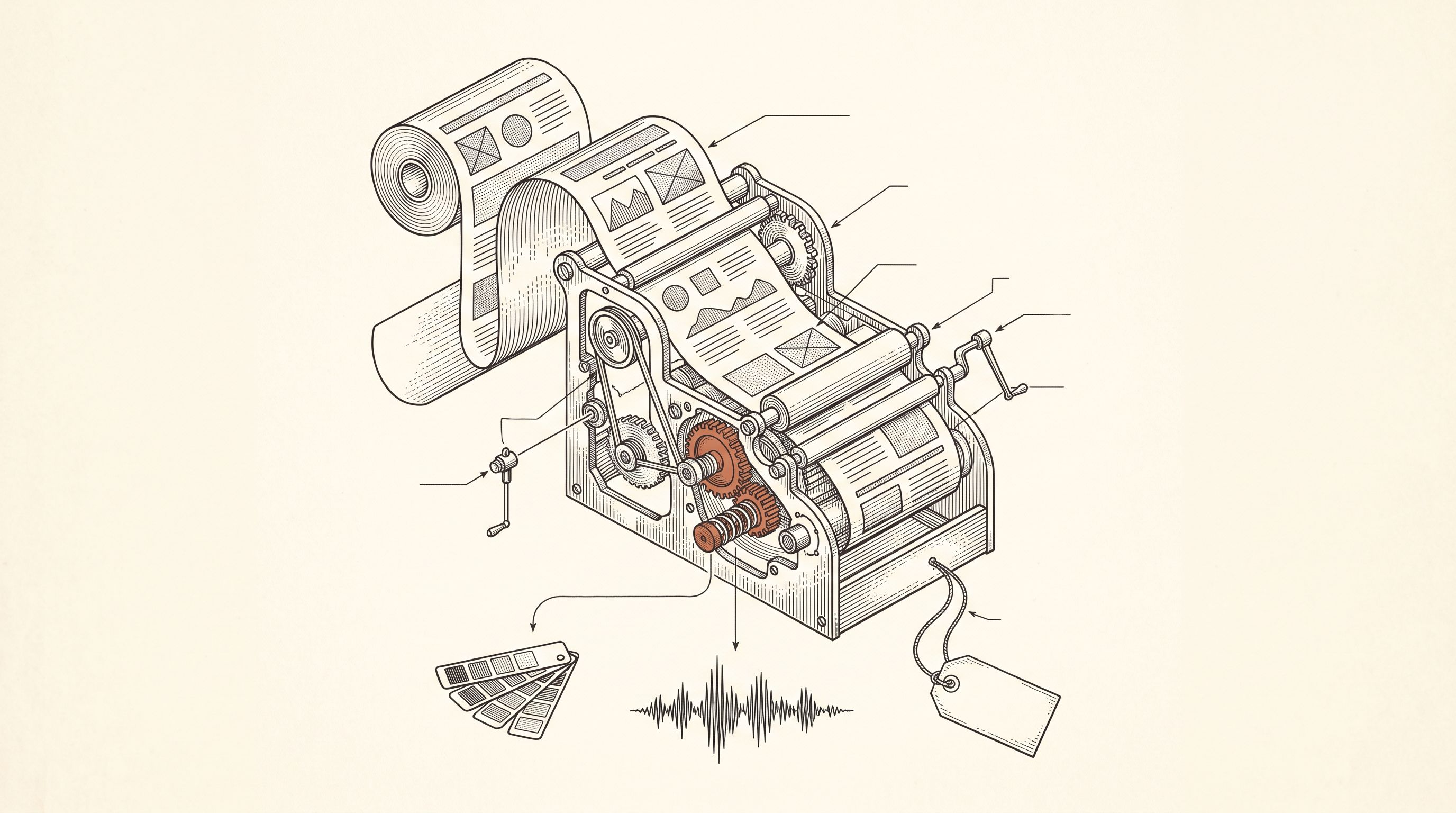
Think of an API changelog the way you'd think of a restaurant kitchen board — the handwritten list the chef updates every quarter to say what's been added to the menu, what's been pulled, and what the kitchen is now optimizing for. Except this kitchen board documents what the algorithm rewards. Instagram, LinkedIn, Pinterest, X and Facebook all maintain public records of every change to their infrastructure. When a platform adds a new metric to its API — the programmatic interface (a structured connection) that developers use to read and write data — it's making a deliberate choice about what it wants to measure. And what a platform measures, it optimizes for.

What Instagram started measuring in 2025
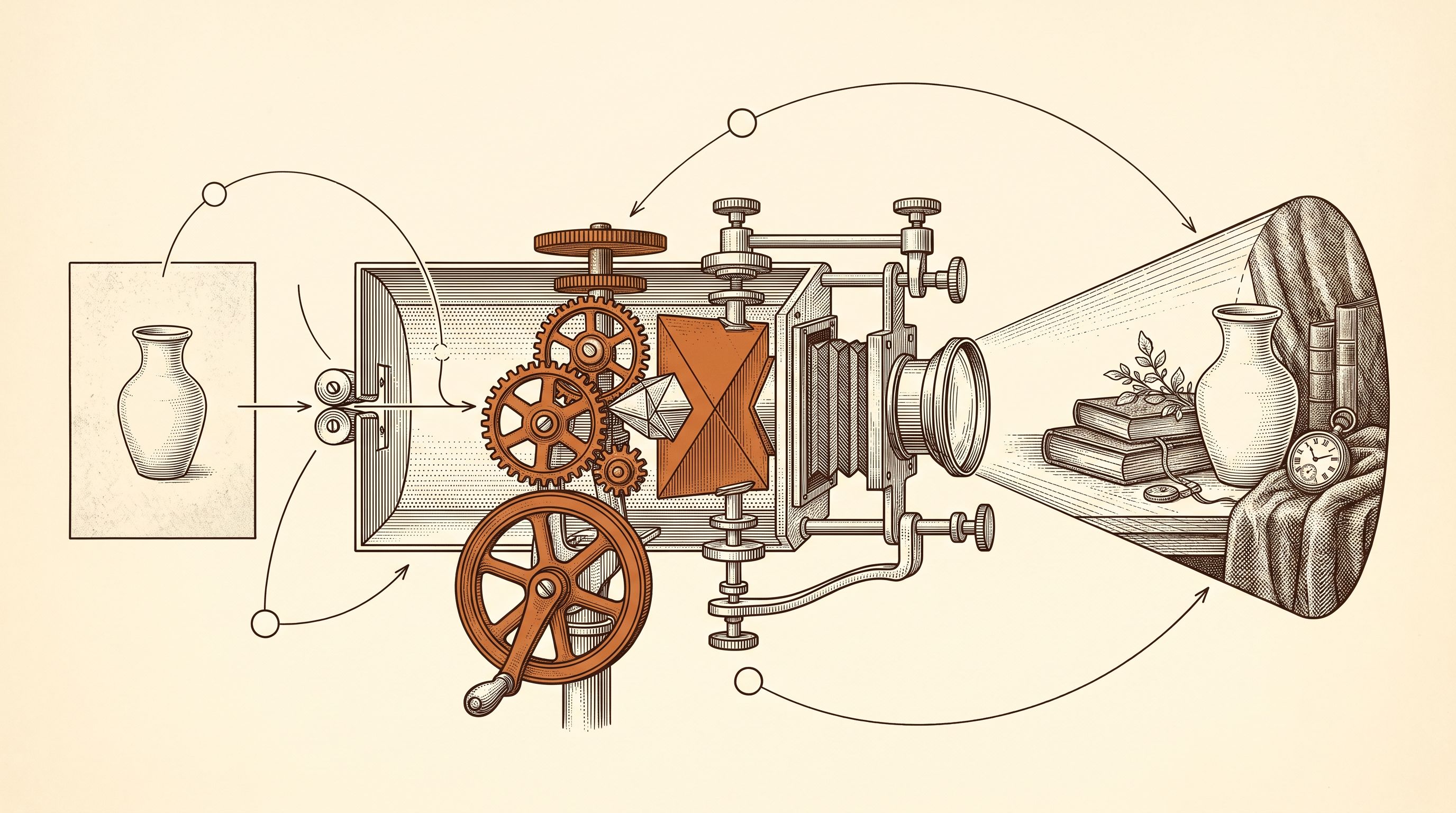
In March 2025, Meta added the alt_text field (the hidden caption that screen readers use to describe images) to the Instagram media endpoint — the specific data address where images are published and retrieved.
In December 2025, Instagram added reels_skip_rate to its insights. That metric measures the proportion of viewers who skip a Reel without finishing it. The platform now tracks, and by implication penalizes, content that loses people in the first few seconds.
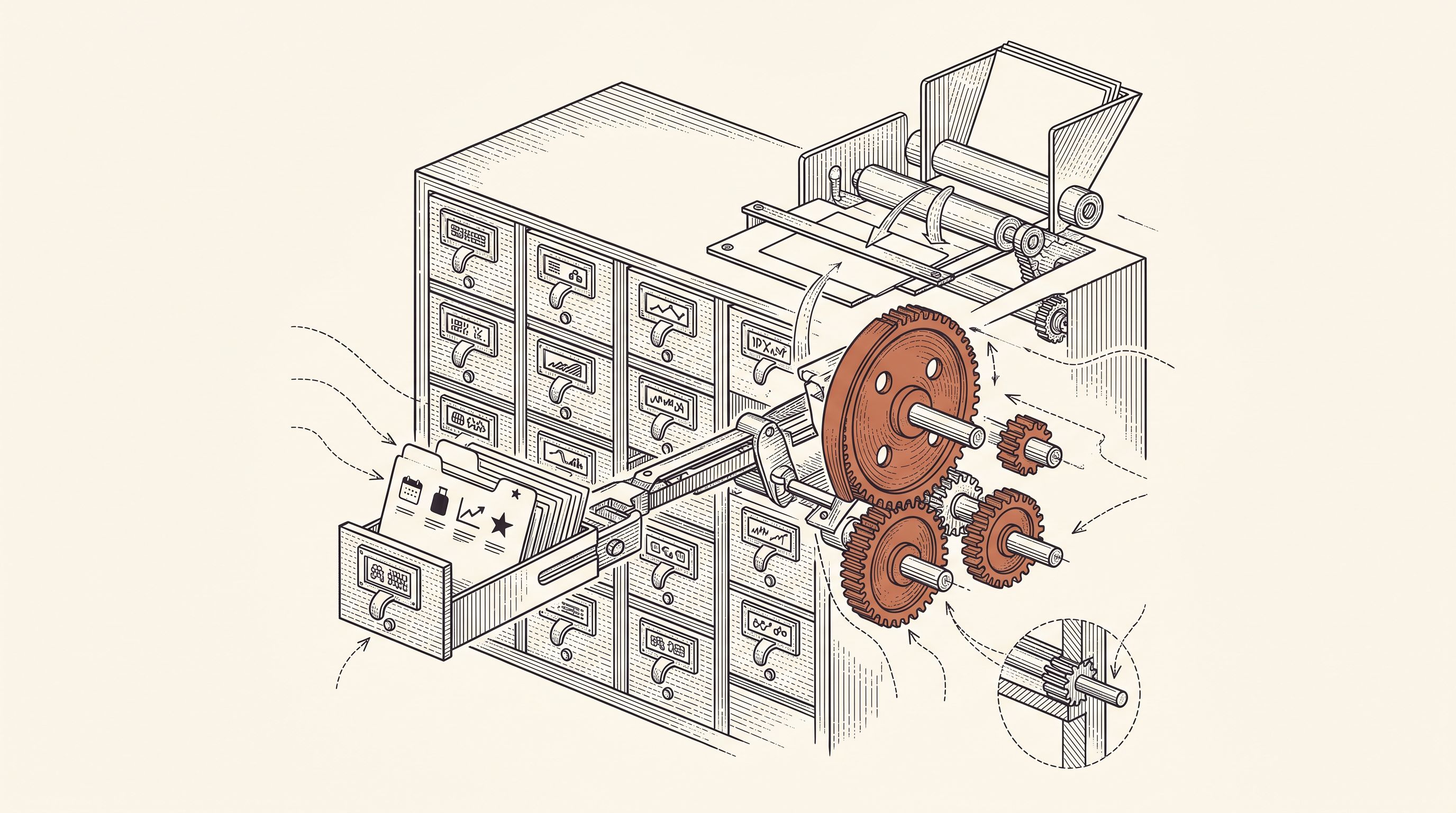
In April 2026, three new engagement fields appeared on the media endpoint: reposts_count, saved_count, and shares_count, alongside aggregated totals for likes, comments and views. Saves and reposts are now first-class metrics — the same level of infrastructure as likes, which have been there since the beginning.
The pattern across these three changes: Instagram is expanding its signal surface from passive metrics (views, likes) toward active ones (saves, reposts, the decision to not skip). A post that someone saves is a post they intend to return to. That intent is worth more than a double-tap.
What LinkedIn started measuring in 2024 and 2025
In October 2024, LinkedIn introduced averageDwellTime in its ad analytics — defined explicitly in the changelog as the average time spent on an ad when at least 50% of its pixels are on screen. One year later, in October 2025, LinkedIn revised its dwell time methodology. The reported metric can increase by approximately 25% compared to historical data. LinkedIn retroactively refreshed six months of historical data.
In April 2026, the Member Post Statistics API added four new creator metrics: POST_SAVE (post saved), POST_SEND (post sent as a direct message), FOLLOWER_GAINED_FROM_CONTENT, and PROFILE_VIEW_FROM_CONTENT.
The direction is unambiguous. LinkedIn is building infrastructure to measure what people do after they read a post — whether they save it, send it privately to a colleague, look up the author's profile. These are not vanity metrics. A post sent in a private message is a recommendation. A post saved is a reference. LinkedIn is making these behaviors visible because it intends to reward the content that drives them.
For an independent consultant or trainer, this reframes what a good LinkedIn post looks like. It's not the post with the most visible reactions. It's the post that a hiring manager sends to a colleague saying 'read this.'
A saved post is one someone plans to return to. That is worth more than a double-tap.
What Pinterest confirmed about its own nature
In its 2025 API update, Pinterest removed the note field from Pins entirely and added new creative types: COLLAGE, MAX_WIDTH_REGULAR_COLLECTION, and MAX_WIDTH_VIDEO_COLLECTION. The infrastructure is being rebuilt around multi-image formats — collages and collections — not single-image Pins.
Pinterest's API structure also confirms something we've made the case for before: this platform operates as a search engine, not a feed. The description field on a Pin accepts up to 800 characters. The board structure, the keyword indexing of descriptions, the evergreen retrieval of content months after publication — these are not social behaviors, they're search behaviors. A Pin from March can surface in September because someone searched for 'rustic wedding table settings.' A LinkedIn post from March is gone by March 5th.
This distinction matters for content strategy. On Pinterest, a post is an indexed document. On LinkedIn, it's a real-time event. They require different writing approaches, and the changelog tells you which is which.
What X stopped building
The X (formerly Twitter) API v2 changelog for 2024-2026 is notable for what it doesn't contain. Entries from April 2025 cover chunked media uploads (breaking large files into smaller parts for upload). May 2025 adds the Account Activity API for v2. June 2025 adjusts DM event behavior.
None of these entries concern organic content distribution, reach signals, or engagement metrics for non-promoted posts. The infrastructure investment is concentrated in access tiers and direct messaging.
This absence is the data point. When a platform is actively building infrastructure to reward specific content behaviors, that investment shows up in changelogs as new metrics, new fields, new endpoints. When it isn't, the changelog is quiet on those dimensions. X's organic distribution layer has not received material API investment in the 2024-2026 window.
This doesn't mean X is useless for an independent business. Filling in alt text remains worthwhile for accessibility. Posting consistently still creates a public record. But the algorithmic tailwind that Instagram and LinkedIn are building through new signal infrastructure — that mechanism isn't visible in X's changelog.
What Facebook's changelog says about organic reach
The Facebook Graph API changelog for Pages is the most unambiguous record of the five. In September 2024, Meta deprecated the organic versions of insights_post_reach, insights_reach, and insights_impressions for Pages. Only the _paid variants survived. In November 2025, a second wave removed post_impressions, page_posts_impressions, and their organic/paid breakdowns from all versioned endpoints. A third round is scheduled for June 2026.
To be precise about what this means: Meta is not just deprioritizing organic reach on Pages. It is removing the metrics that allowed you to measure it. When a platform stops providing the instruments to observe a phenomenon, it's making a structural statement about the value of that phenomenon.
Meta has announced a future Page Viewer Metric as a replacement, but no organic reach signal has been added to Pages API in three years.
For an independent restaurant, hotel, or local shop, Facebook Pages remain useful as a local SEO signal — the business listing, the reviews, the address. But reach-building through organic content on Facebook Pages is fighting infrastructure that has been systematically dismantled.

The pattern across all five
Read together, the 2024-2026 changelogs describe five platforms moving in different directions at different speeds. Instagram and LinkedIn are adding infrastructure to reward intent signals — saves, shares, dwell time, private sends. Pinterest is doubling down on its identity as a search index. X has stopped building organic distribution infrastructure. Facebook has actively removed the metrics that measured it.
None of this was obvious from the feeds. You wouldn't know it by scrolling. But it's all documented, publicly, in the release notes that engineering teams publish every time they change something.
Reading them once doesn't change anything. Reading them and then planning the next month of posts on what you learned does.
What an algorithm rewards is not a secret. It's in the version notes that almost nobody reads.