Scheduler or content generator?
A scheduler handles the last 5 minutes of content creation. An independent operator needs someone to handle the first 90. Here is the honest comparison.
Scheduler vs. content generator. Every independent operator hits this question at some point in their tool search. You've probably tried one or two of the established schedulers already. You might even have a spreadsheet of post ideas that's been untouched for three weeks. The question here isn't which scheduler handles Instagram best. It's whether a scheduler is the right category of tool at all — for someone running a business alone, without a content team behind them.

The wrong bottleneck
Publishing a post to Instagram takes about 45 seconds. Scheduling it in any of the standard tools takes roughly two minutes. That's the problem a scheduler solves.
Writing the caption, finding the right image, making sure it sounds like you and not like every other small business on the same feed — that's the other 90 minutes. That's the problem a scheduler doesn't touch.
This matters because most independent operators who try a scheduler and abandon it don't abandon it because the tool was bad. They abandon it because the queue was empty. The tool worked. The content pipeline didn't exist.
A scheduler is a last-mile solution. It handles the moment of dispatch — when the content is already finished and needs to go live at a specific time. If your content isn't done, a scheduler is just a well-designed reminder that it isn't done.
The typical pattern: you set up the tool on a Sunday, schedule three posts for the week ahead, feel good about it. By Thursday, the queue is empty again. You open the scheduler, see the blank slots, close it. Two months later, you've stopped logging in.
What a standalone scheduler actually does
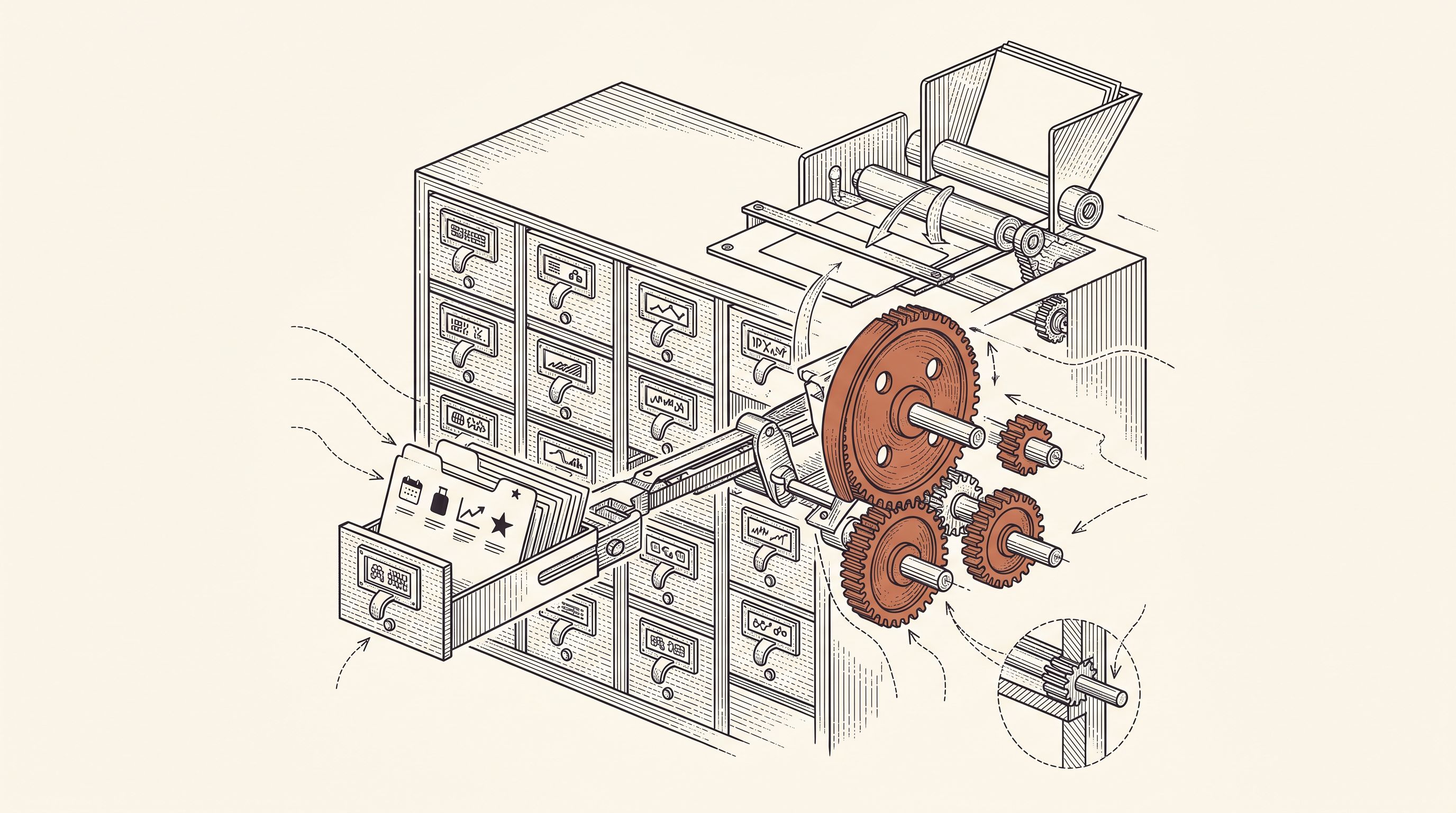
A scheduler covers a specific, narrow job: it publishes posts at a set time across one or more networks, keeps a calendar view of what's planned, and sometimes shows basic engagement data. That's the full scope.
The input requirement is content you've already created. A scheduler has zero opinion about what you should say, how your Instagram caption should differ from your LinkedIn post, what image fits the week, or whether today's content sounds like your brand or like a template someone else wrote.
For someone with a content production workflow that already works — a social media manager, a marketing team, a freelance assistant producing assets — a scheduler is exactly the right tool. It solves the scheduling problem cleanly, and several established players in the category do it well.
For an independent operator without a content team, a scheduler adds a step without solving the step before it.
A content calendar doesn't fail because you miss the publish button. It fails because nothing was written.
Where the math changes
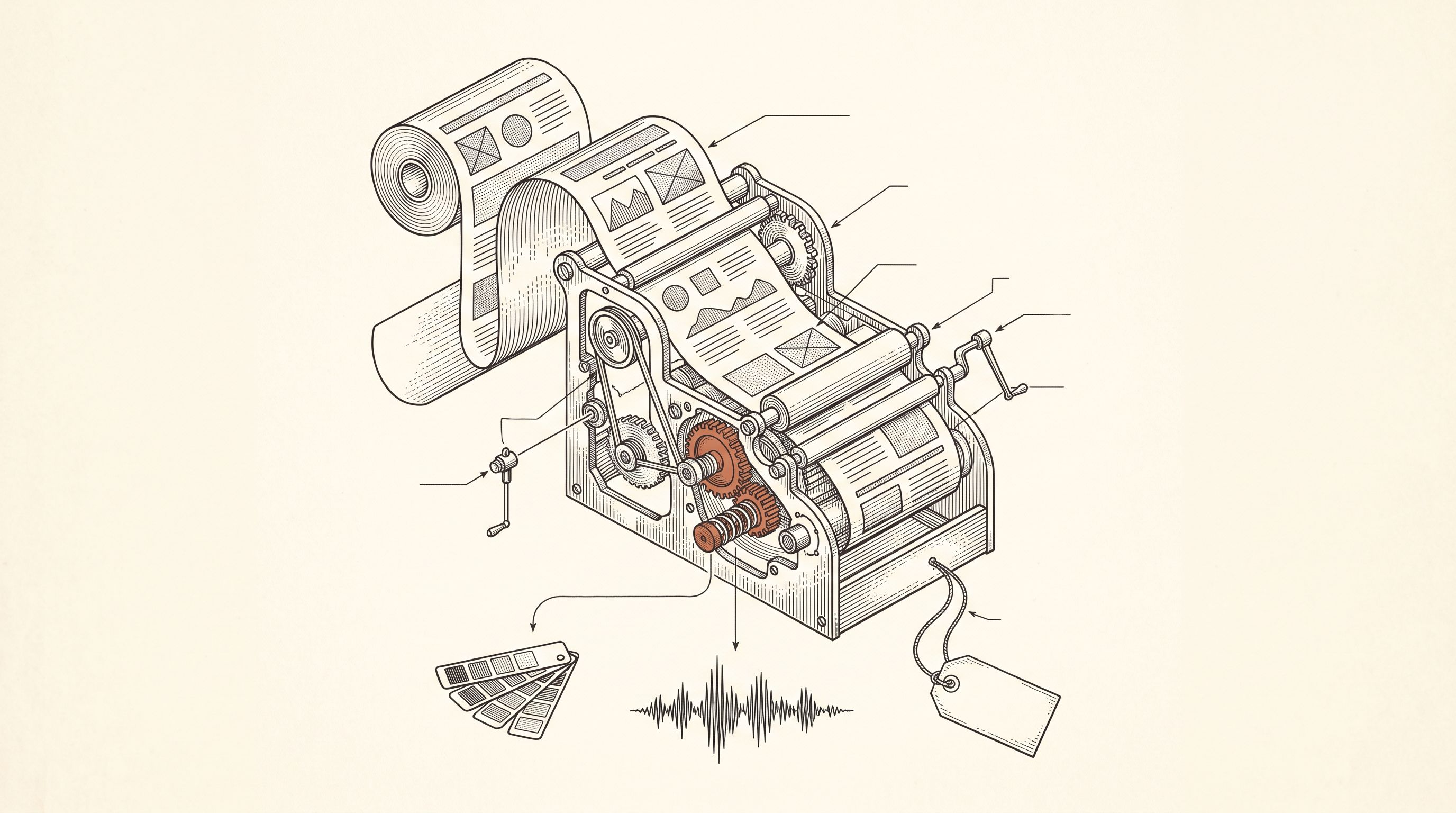
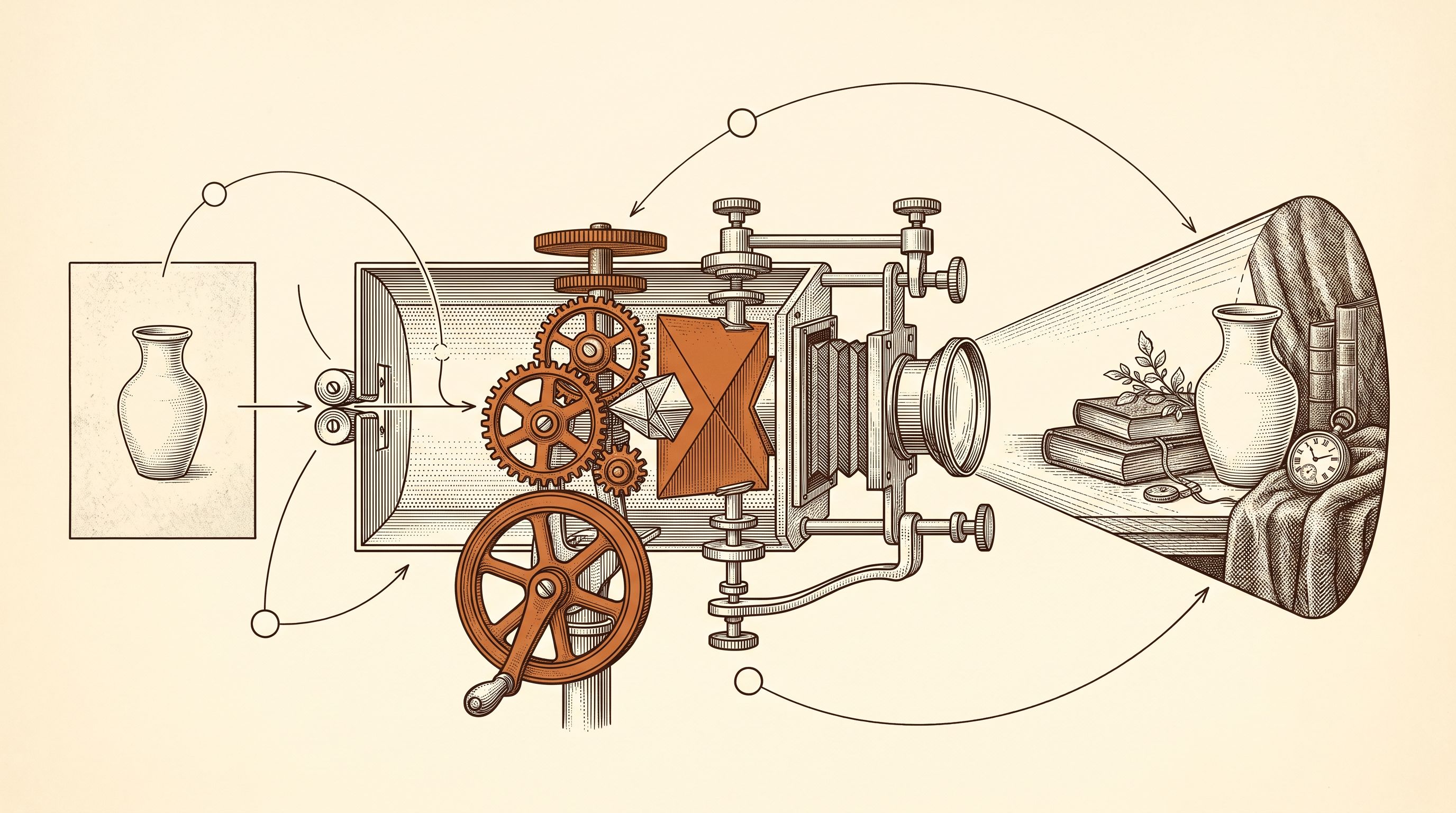
A content generator with built-in scheduling changes the input requirement. Instead of arriving with content already made, you arrive with context about your business — what you do, who you serve, what makes your work distinct. The system reads that, extracts your brand DNA, and builds a week of posts from it.
The actual time breakdown for a scheduler-only workflow, in practice: you spend roughly 60–90 minutes per platform per week sourcing, writing, and adapting content — then 5 minutes scheduling it. Five platforms is 6–8 hours of creative work per week. That's not a scheduling problem. That's why the queue stays empty.
With a generator that reads your website and extracts what makes your brand specific — your vocabulary, your tone, your audience's real concerns — the creative work is handled. A week of posts, captions adapted per network, images aligned with your visual identity, is proposed in a session of a few minutes. You review, adjust anything that's off, and schedule in the same interface. The 6–8 hours becomes a review session of 20–30 minutes.
What changes isn't the scheduling. What changes is the cost of producing the content in the first place. The quality of that alignment depends on what context you've fed the system — the more specific the input, the sharper the output.
The honest comparison
Time to a live post. Scheduler only: 60–90 minutes of upstream creative work before you touch the scheduler. Generator + scheduler: a few minutes of review after the system proposes the week. For an independent operator, this is the only metric that determines whether the system gets used consistently or quietly dropped. Everything else is secondary.
Brand alignment. A scheduler publishes whatever you give it. If your caption sounds like it came from a template, it schedules the template. A content generator that reads your site and ingests your brand context produces content anchored to your actual positioning — the words you use, the problems you solve, the way your work is different from the next business in the same vertical. With a standalone scheduler, there's no mechanism for alignment at all — that's your job, every week.
Cost over 12 months. A standalone scheduler typically starts around 10–20 USD/month on a paid plan. A content generator with integrated scheduling runs 30–100 €/month depending on the plan. The comparison that matters isn't these two numbers against each other — it's both against a freelance social media manager, who runs 400–1,000 €/month for consistent coverage across channels. If you recover 156 hours per year using a generator instead of doing it manually, and your time has any value at all, the math on the higher tool cost isn't hard to run.
Abandonment rate. Schedulers have high abandonment rates — not because they're poor tools technically, but because the creative work required to fill them isn't sustainable at solo pace. The generator model has a different failure mode: if the output doesn't feel like the brand, operators stop trusting it and revert to manual. The fix is adding more context to the brand profile — more documents, more links, more examples. That's a friction worth naming. But it's a different problem than staring at an empty queue.

Which one fits your situation
Use a standalone scheduler if: you already have a reliable content production process, someone else is producing the content consistently, and you need reliable dispatch. The established schedulers are solid for this.
Use a content generator with built-in scheduling if: you're producing the content yourself, you want a steady presence across the social networks where your audience is, and the bottleneck is consistently the creative side. The scheduler won't fix what you actually have — it'll just give you a cleaner interface to look at the gap.
If you've tried a scheduler and abandoned it because the queue was always empty, that's the signal. A content calendar doesn't fail because people miss the publish button. It fails because the content was never written.